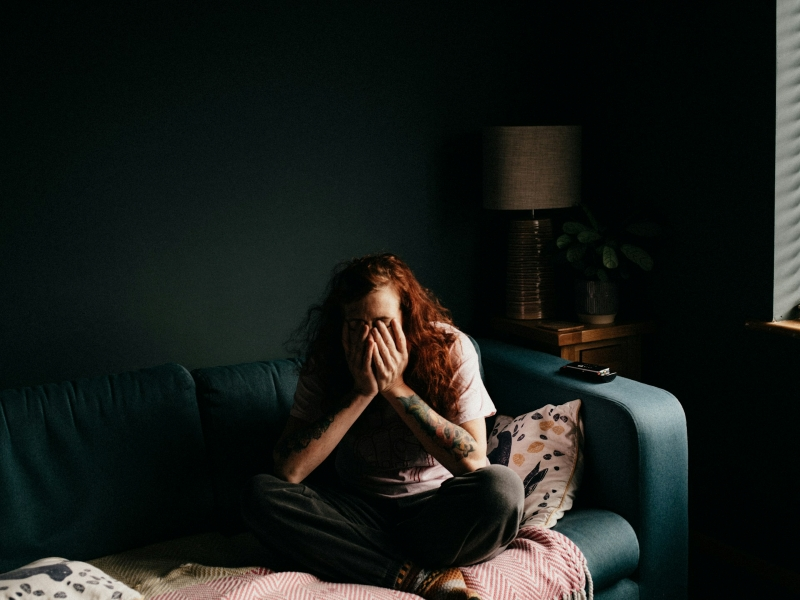
Yes, many people can reduce anxiety a lot without medication. The most reliable drug-free methods are cognitive behavioral therapy (CBT), gradual exposure to feared situations, regular exercise, steady sleep, and skills that calm the body’s stress response. Healing rarely means never feeling anxious again.
It means anxiety stops making your decisions for you. If symptoms continue despite real effort, a clinician can help, and for some people, a non-invasive treatment such as TMS may become part of the plan.
Why People Look for Anxiety Relief Without Medication
Anxiety can make even the treatment feel risky, so it makes sense that many people want to try other options first.
Common Reasons to Avoid or Stop Medication
Most people who ask about drug-free care have a clear reason:
- Side effects such as drowsiness, weight changes, or a flat, muted mood
- Past medications that didn’t work, even after months of consistent use
- Personal preference for building skills before trying pills
- Interest in complementary care that works alongside current treatment
What “Healing” Anxiety Really Means
Anxiety is a normal alarm system, and switching it off completely wouldn’t help anyone. A realistic goal looks more like this:
- Fewer false alarms
- A quicker return to calm after a spike
- A daily life that is no longer built around avoiding discomfort
Anyone learning how to heal anxiety without medication is really changing their relationship with that alarm.
The Range of Non-Medication Options
The options include psychotherapy, behavioral changes, body-based skills, and clinical treatments such as Transcranial Magnetic Stimulation, which works on the brain directly without any drugs.
Can You Heal Anxiety Without Medication?
For many people, yes. Anxiety disorders often respond well to treatment without drugs, especially structured therapy.
Factors That Shape the Right Approach
What works best depends on:
- The type of anxiety. Panic disorder, social anxiety, generalized anxiety disorder, and phobias each respond to slightly different techniques.
- Severity. Worry before deadlines is not the same as panic attacks that make driving impossible.
- Duration. Anxiety that has shaped daily routines for years usually needs more structured work.
- Triggers and avoidance. The more a person avoids, the more exposure-based work matters.
- Other conditions. Depression, OCD, and past trauma often come with anxiety and change the plan.
- Treatment history. What a person has already tried tells a clinician what to try next.

People asking how to heal anxiety and depression without medication often find that the same tools help both. Both conditions get worse with withdrawal, poor sleep, and repetitive negative thinking.
Occasional Anxiety vs. a Diagnosed Disorder
These two situations need different levels of support:
- Occasional anxiety comes and goes with stress and usually responds well to the habits in this article.
- A diagnosed anxiety disorder lasts for months, limits work, school, or relationships, and usually needs guidance from a trained professional.
Start By Understanding What Is Keeping Your Anxiety Going
Before choosing any technique, it helps to understand the loop that keeps anxiety going.
Identify Your Personal Anxiety Cycle
Most anxiety follows a predictable chain:
- A trigger shows up.
- A scary thought follows (“What if I faint in the meeting?”).
- The body reacts with a racing heart or tight chest.
- Some action makes the feeling stop.
If you write down a few of these chains over a week, you will usually see the same pattern repeating. Once you can see the pattern, it is easier to interrupt.
Recognize Your Most Common Triggers
Some triggers are obvious, like crowded stores or phone calls. Others are quieter, such as a skipped lunch, a third coffee, or Sunday evening. Body sensations can be triggers too, and for some people, anxiety is strongest right after waking up in the morning.
Look for Behaviors That Provide Short-Term Relief but Reinforce Anxiety
Some habits feel like solutions, but they teach the brain that the danger was real and escaping was necessary. Common examples:
- Leaving a situation the moment anxiety rises
- Asking for reassurance again and again
- Googling symptoms or checking the body for signs of illness
- Over-preparing or scripting conversations
- Always bringing a “safe” person or item along
Each one lowers anxiety for a few minutes. Over months, these habits keep the fear fully in place.
7 Evidence-Based Ways To Manage Anxiety Without Medication
These approaches form the core of how to heal anxiety without medication, and they work best when combined.
1. Use Cognitive Behavioral Therapy to Change the Anxiety Cycle
CBT is the most studied talk therapy for anxiety. It teaches people to:
- Spot distorted predictions
- Test them against real evidence
- Act differently even while anxious
2. Gradually Face Situations You Have Been Avoiding
Exposure tends to produce the biggest changes. A person builds a ladder of feared situations and climbs it slowly. For a fear of driving, the ladder might look like this:
- Sit in a parked car for five minutes.
- Drive around the block.
- Take a short trip on a quiet road.
The brain learns from direct experience, not from reassurance, that anxiety fades on its own.
3. Learn Skills for Regulating the Body’s Stress Response
Anxiety lives in the body as much as in the mind. That’s why sensory overload can hit so hard during a spike. Useful skills include:
- Slow breathing with a longer exhale
- Progressive muscle relaxation
- Grounding through the five senses
The catch is to use these skills to stay in a hard moment, not to escape it.
4. Build Physical Activity Into Your Routine
Movement is one of the most dependable drug-free tools. A 2025 review of 32 randomized trials found that exercise eased symptoms in people diagnosed with depression or anxiety, with a moderate benefit for anxiety.
A 2026 umbrella review in the British Journal of Sports Medicine reached a similar conclusion, and experts noted that even short, lighter sessions seemed to help with anxiety.
For anyone researching how to heal anxiety and depression without medication, that is good news. A brisk walk counts, and exercising regularly matters more than pushing hard.
5. Fix Sleep Patterns That Can Amplify Anxiety
After a short night, the brain’s threat detector reacts more strongly. A few habits help reset your sleep rhythm:
- Wake up at the same time every day, weekends included
- Keep screens out of bed
- Get up if you lie awake for about 20 minutes
Anyone working out how to heal depression and anxiety without medication should make sleep a priority. If sleep problems continue, CBT for insomnia (CBT-I) is a proven drug-free option.
6. Reduce Everyday Anxiety Amplifiers
Some habits don’t cause anxiety, but they make it stronger:
- Caffeine, which can mimic panic with a pounding heart and shaky hands
- Alcohol, which calms you briefly and often brings rebound anxiety the next day
- Late-night doomscrolling, especially news and health content
- Skipped meals, since low blood sugar can feel a lot like nervousness
7. Practice Mindfulness Without Using It to Suppress Anxiety
Mindfulness means noticing thoughts and sensations without fighting them. Using meditation to force anxiety out usually backfires. Curiosity works better: “There’s the tight chest again.” When you observe anxious thoughts instead of obeying them, they lose some of their grip.
Can TMS Help Treat Anxiety Without Medication?
For people who have done the work and still feel stuck, there are clinical options that involve no medication at all.
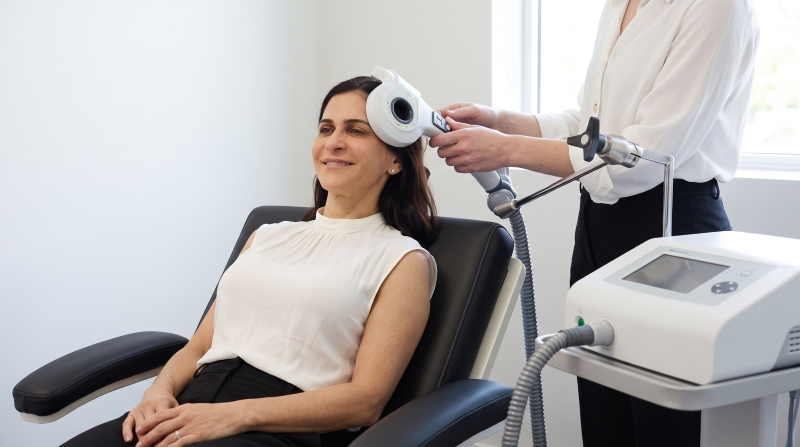
What TMS Therapy Is
Transcranial Magnetic Stimulation (TMS) is a non-invasive outpatient treatment. A magnetic coil sends focused pulses to brain areas involved in mood and emotional regulation. Key points:
- Patients stay awake, and no anesthesia is needed
- Most people go back to normal activities right after a session
- It is FDA-cleared for major depression and OCD, and some devices are also cleared for anxiety symptoms that come with depression
How TMS Fits Into Anxiety Care
TMS is not a first-line treatment for anxiety on its own, but the evidence is growing. A March 2026 review of 20 sham-controlled trials found that TMS may ease symptom severity in generalized anxiety, OCD, and PTSD. The generalized anxiety evidence came from only two small trials, though serious side effects were no more common than with sham treatment.
Who Might Consider TMS
TMS may be worth discussing for people exploring how to heal depression and anxiety without medication when:
- Anxiety comes with depression that hasn’t improved
- Medications caused side effects that were hard to tolerate
- Several medications or courses of therapy brought little change
- Symptoms keep interfering with work, sleep, or relationships
Signs It Is Time to Get Professional Help
Reaching the limits of self-help is not a failure. Consider getting an evaluation if:
- Anxiety has lasted for months with little change
- Panic attacks happen often or feel out of control
- You avoid more places, people, or tasks than before
- Low mood, hopelessness, or loss of interest has set in
You Have More Than One Path to Anxiety Relief
Learning how to heal anxiety without medication rarely comes down to one technique. Progress usually comes from combining:
- Psychotherapy to challenge anxious predictions
- Exposure-based work to reduce avoidance
- Body-based skills to ease physical tension
- Steady daily habits around movement, sleep, and stimulants
If symptoms stay strong after months of honest effort, the answer is usually a professional evaluation, not more intense self-help.
If you are still figuring out how to heal depression and anxiety without medication, the team at LifeQuality TMS in Brooklyn can review your history and help decide whether TMS belongs in your treatment plan. Contact the clinic to ask questions or book a consultation.
Frequently Asked Questions
Can Anxiety Go Away on Its Own?
Stress-related anxiety often eases when the stress ends. Anxiety disorders tend to stick around because avoidance keeps feeding them.
How Long Does It Take to Heal Anxiety Naturally?
Many people notice changes within several weeks of consistent CBT, exposure practice, and better sleep. Bigger change often takes a few months.
What Is the Fastest Way to Calm Anxiety in the Moment?
Slow breathing, naming five things you can see, or a short walk can ease tension within minutes.
Can You Heal Anxiety and Depression at the Same Time Without Pills?
Often, yes. Figuring out how to heal anxiety and depression without medication usually starts with therapy, movement, sleep, and getting back to meaningful activities. When both conditions are moderate to severe, professional support matters more.
Is It Possible to Fully Recover From Anxiety?
Many people reach a point where anxiety is occasional and manageable. Some anxious moments will always show up, but they no longer decide how you live.