

Depression Treatment For Teenagers: Effective Options Explained
The most effective depression treatment for teenage patients usually starts with a professional evaluation, followed by talk therapy such as CBT or interpersonal therapy. For moderate to severe cases, a doctor may add an antidepressant, and the two together often work better than either alone. For teens 15 and older whose symptoms persist, FDA-cleared TMS […]

Coping with Treatment-Resistant Bipolar Depression: TMS And Other Options
Bipolar depression is already one of the harder conditions to treat in psychiatry. The medications that work for mania or hypomania often provide limited relief from depression. The antidepressants routinely prescribed for unipolar depression can destabilize mood in bipolar disorder. And for a significant proportion of patients, even guideline-recommended first-line treatments fall short. When that […]

False Memory OCD: Can OCD Make You Doubt Real Memories?
Yes, it can. With false memory OCD, a person may start doubting an event they remember clearly, or become convinced that something terrible happened and they somehow forgot. The memory itself usually isn’t broken. What breaks down is trust in the memory, pushed by an urgent need to know exactly what happened. Every attempt to […]

Depression vs Sadness: When It May Be Time to Seek Help
The short answer: sadness is a normal emotion. It usually has a cause, and it eases as life moves on. Depression is a health condition: low mood or a loss of interest that shows up most of the day, nearly every day, for two weeks or longer, along with changes in sleep, energy, appetite, focus, […]

ECT vs TMS For Bipolar: Key Differences, Effectiveness, and Safety
When medication alone is not enough to manage bipolar disorder, particularly its depressive phases, two non-pharmacological treatments come up most often in clinical conversations: electroconvulsive therapy (ECT) and transcranial magnetic stimulation (TMS). Both target brain activity directly. Both have meaningful clinical evidence behind them. And both are used for bipolar treatment in different clinical contexts. […]

How To Manage OCD Fear Of Death Without Feeding The Cycle
Managing OCD fear of death comes down to changing how you respond to the thought, not winning an argument with it. Notice the obsession, spot the compulsions that follow it, and cut them back step by step. Exposure and response prevention (ERP) is the therapy built for exactly this. When symptoms hang on despite therapy […]
TMS for Bipolar II: What to Expect
Bipolar II disorder is one of the most undertreated conditions in psychiatry. Because its hallmark – hypomania – is often subtle and even pleasurable, many people with bipolar II spend years being misdiagnosed with unipolar depression and cycling through antidepressants that provide incomplete relief or destabilize their mood further. For those patients, TMS for bipolar […]

Integrating TMS With Counseling: A Combined Approach To Treatment
Integrating TMS with counseling means using two treatments at the same time, each aimed at a different part of the same problem. Transcranial magnetic stimulation (TMS) works on brain circuits linked to mood and obsessive symptoms. Counseling works on the thoughts, habits, relationships, and stressors that keep those symptoms going. The two don’t clash, and […]

How To Heal Anxiety Without Medication And Feel More In Control
Yes, many people can reduce anxiety a lot without medication. The most reliable drug-free methods are cognitive behavioral therapy (CBT), gradual exposure to feared situations, regular exercise, steady sleep, and skills that calm the body’s stress response. Healing rarely means never feeling anxious again. It means anxiety stops making your decisions for you. If symptoms […]
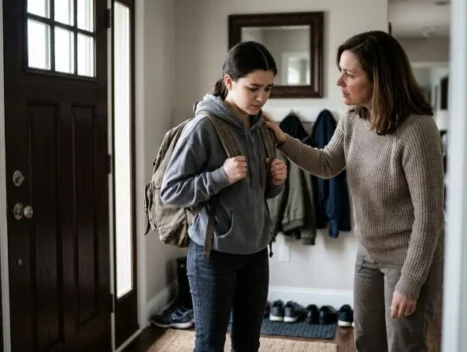
Can Separation Anxiety In Teens Improve With The Right Treatment?
Yes. Separation anxiety in teens can improve significantly with the right treatment. Approaches such as cognitive behavioral therapy, gradual exposure practice, and family-based support have been shown to reduce fear-based thinking and help teenagers rebuild confidence when they’re away from home. Recovery isn’t instant, and it doesn’t mean a teen will never feel nervous again […]