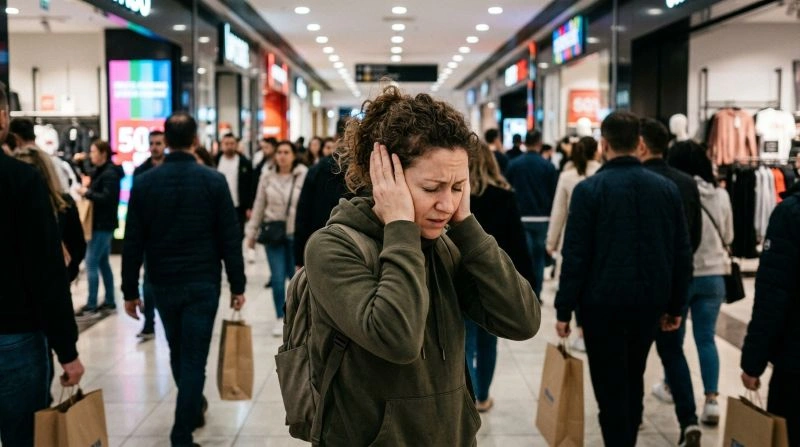
Sensory overload during anxiety happens when the brain takes in more sounds, sights, textures, or activity than it can sort through while it’s also managing a stress response. Common signs include a pounding heart, trouble focusing, sudden irritability, the urge to cover your ears or eyes, and a strong pull to leave the room.
Spotting these signals early makes it easier to step back before that overwhelmed feeling builds into full-blown panic. Below, we’ll look at why this happens, how to spot it, and what genuinely helps.
When Everyday Moments Suddenly Feel Like Too Much
A crowded grocery store. A phone that won’t stop buzzing. Three people talking over each other at once. None of these things sound dangerous written down, yet during a stretch of high anxiety, they can feel like too much all at once. This reaction is often described as sensory overload anxiety, and it’s far more common than most people assume.

It’s tempting to write this off as simply being “too sensitive,” but that framing misses what’s actually going on inside the nervous system. When someone is already managing a heightened stress response, their brain has fewer resources left over to filter and sort incoming information. Ordinary input – a ticking clock, fluorescent lighting, a coworker’s perfume – starts competing for attention that anxiety has already claimed.
The Link Between Anxiety And An Overloaded Nervous System
This points to the connection between anxiety and sensory overload: stress hormones and sensory processing share overlapping pathways in the brain, so when one system is under strain, the other tends to struggle too. A 2025 study from Washington University School of Medicine backs this up – analyzing data from more than 15,000 children, researchers found that heightened reactions to ordinary sensory input were tied to anxiety symptoms on their own, independent of ADHD. Ordinary sensations simply get turned up in volume once anxiety is in the picture, making everyday settings feel exhausting or, at times, nearly impossible to sit through.
What Is Sensory Overload During Anxiety Episodes?
Sensory overload during anxiety episodes happens when the volume of sensory information reaching the brain outpaces its ability to process it calmly. It’s the brain’s way of signaling “too much, too fast.” For someone already dealing with worry or a racing mind, that threshold tends to sit much lower than usual.
Why Anxiety Can Make Sensations Feel More Intense
Anxiety puts the body into a state of heightened alertness. The nervous system shifts into a mode built for spotting threats, so it starts paying closer attention to sound, movement, light, and touch. That’s useful in a genuine emergency, but day-to-day it simply means normal sensations get amplified.
Here’s a short list of what commonly gets turned up during a period of anxiety sensory overload:
- Background noise, like chatter, traffic, or music, starts to feel loud and grating
- Bright or flickering lights become harder to tolerate
- Certain textures, such as clothing tags or specific fabrics, feel unbearable
- Crowded spaces feel physically closer and more chaotic than they actually are
- Multiple conversations at once become almost impossible to follow
Quick tip: If you notice two or three of these building at once, that’s usually a cue to step outside or find a quieter spot before things intensify – waiting it out rarely helps.
Sensory Overload vs Normal Sensitivity
Being sensitive to noise or light once in a while is normal. Sensory overload becomes a bigger issue when the reaction is intense, frequent, and tied to a stress response rather than plain preference.
Someone with ordinary sensitivity might turn down the music. Someone in the middle of a sensory overload anxiety episode might feel their heart pound, their thoughts scatter, and a strong urge to escape the room. The difference lies in scale, and in how closely the reaction is tied to the body’s fight-or-flight response.
Recognizing Sensory Overload Symptoms During Anxiety
These reactions tend to fall into three groups – physical, emotional or mental, and behavioral – and most people notice a mix of all three at once.
Physical Symptoms That May Appear During Overstimulation
The body often reacts before the mind catches up. Physical signs during overstimulation can include:
- A racing or pounding heartbeat
- Muscle tension, especially in the shoulders, jaw, or neck
- Sweating or feeling suddenly too warm
- Nausea or an upset stomach
- Headaches or a feeling of pressure behind the eyes
- Dizziness or a lightheaded feeling
A 2025 study published in Applied Neuropsychology tested this directly: researchers exposed university students to noise, time pressure, and mental workload, and found that these everyday stressors measurably increased both overstimulation and fatigue — with anxiety shaping how strongly people reacted.
Emotional And Mental Signs Of Sensory Overload
Alongside the physical reactions, anxiety and sensory overload often bring emotional shifts. These include:
- Irritability that comes out of nowhere
- A sudden wave of panic or dread
- Trouble concentrating or finishing a thought
- Feeling mentally foggy or checked out
- A strong pull toward being alone in a quiet space
Behavioral Signs That Someone Is Overloaded
Behavior often gives away what’s happening before someone can put it into words. Common signs include covering the ears or eyes, snapping at people, leaving a room abruptly, rocking or pacing more than usual, and struggling to answer simple questions.

Note: These signs aren’t a character flaw or an overreaction. They’re the nervous system doing exactly what it’s built to do under too much pressure at once.
Conditions That May Be Connected To Sensory Overload And Anxiety
Sensory overload and anxiety don’t always show up alone. They often overlap with other conditions, and recognizing that overlap can point people toward the right support.
Anxiety Disorders And Heightened Sensory Responses
Sensory overload frequently appears alongside several recognized anxiety conditions:
- Generalized anxiety disorder, which keeps the nervous system on near-constant alert and lowers the threshold for feeling overstimulated
- Panic disorder, where sudden surges of fear make ordinary sensations feel sharper and more threatening
- Social anxiety, which often combines social fear with sensory strain in loud, crowded settings
- Chronic stress, from ongoing life pressure or work demands, which keeps the body in a heightened state and makes sensory input harder to filter
When anxiety is the main driver behind an episode of anxiety sensory overload, treating the underlying anxiety – rather than only managing the sensory symptoms in the moment – tends to bring the most lasting relief. This is one reason anxiety treatment often starts by identifying which condition is actually behind the overwhelm.
Sensory Overload In Neurodevelopmental And Mental Health Conditions
Sensory sensitivity isn’t limited to anxiety disorders. It also shows up with ADHD, autism spectrum disorder, and trauma-related conditions, where the nervous system may process input differently on an ongoing basis. Experiencing sensory overload does not automatically point to any single diagnosis; it’s a signal worth paying attention to, not a label in itself. A qualified professional can help sort out what’s driving the reaction in each case.
Treatment Approaches For Anxiety And Sensory Overload
Managing sensory overload and anxiety together usually works best with a combination of practical coping tools and, when needed, professional support.
Therapy Strategies For Managing Anxiety-Related Sensory Overload
Cognitive Behavioral Therapy (CBT) is one of the most widely used approaches for anxiety, and it can help with sensory overload too. CBT helps people notice the thought patterns that ramp up anxiety, build calmer responses to overstimulating situations, and practice grounding techniques that steady the nervous system.
A few other strategies worth trying:
- Pace exposure to busy places instead of avoiding them altogether
- Use noise-reducing tools like earplugs when needed
- Build in regular breaks during demanding days
- Practice slow, controlled breathing before entering a known trigger situation
Pro tip: Keep a short mental (or written) list of your own personal triggers — certain lighting, certain crowds, certain noise levels. Knowing your pattern in advance makes it much easier to plan around it.
Addressing Underlying Mental Health Conditions
When these episodes are tied to an anxiety disorder that hasn’t been fully addressed, working with a mental health provider can make a real difference. At Life Quality TMS, treatment plans are built around identifying what’s actually driving anxiety in the first place, and using evidence-based approaches to reduce symptoms at the source.
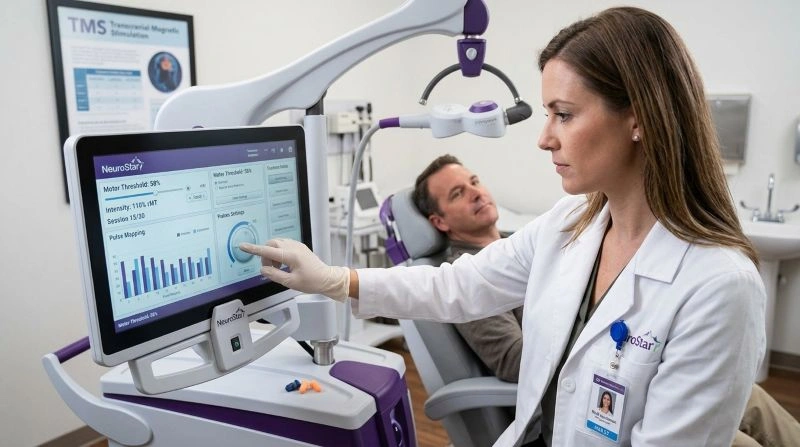
For anxiety that hasn’t responded well to therapy or medication alone, TMS for anxiety is a non-invasive, FDA-approved option worth discussing with a provider. It’s also worth reading up on treatment-resistant anxiety if standard approaches haven’t brought enough relief – addressing the anxiety directly often eases the sensory overload that comes with it, rather than treating each overwhelming moment on its own.
Understanding Sensory Overload And Regaining Control During Anxiety Episodes
Everyday settings – a busy store, a loud office, a full inbox – can start to feel like too much once anxiety is already running high. This is what makes sensory overload anxiety so disruptive: it doesn’t wait for a major stressor; it can build from ordinary daily input once the nervous system is already stretched thin.
Learning to recognize sensory overload symptoms early gives people a real chance to pause, use grounding tools, or step away before things escalate into deeper distress. That awareness is often the difference between a rough moment and a spiraling one.
It’s worth repeating: experiences like anxiety sensory overload aren’t a matter of being overly sensitive or dramatic. They reflect how a nervous system under pressure genuinely responds when it can’t process information fast enough. With the right mix of coping strategies and, where needed, professional support, it’s possible to lower how often these episodes happen and feel steadier day to day.
Frequently Asked Questions
Is sensory overload a symptom of anxiety?
Yes. When the body is in a heightened stress state, the brain has a harder time filtering sound, light, and other input, which can make ordinary settings feel overwhelming.
What does sensory overload feel like during an anxiety attack?
It often feels like everything is happening at once – sounds seem louder, lights feel harsher, and thoughts become hard to organize. Many describe a strong urge to cover their ears or leave the situation entirely.
Can sensory overload cause a panic attack?
For some people, yes. Overwhelming sensory input can add to an already elevated stress response and tip it into a panic attack, especially if the person is already anxious going into the situation.
How long does sensory overload from anxiety usually last?
This varies, but many episodes ease within twenty to thirty minutes once someone reaches a calmer setting and the stress response starts to settle.
How do you calm down from sensory overload?
Common approaches include stepping away from the overstimulating setting, focusing on slow breathing, reducing noise and light, and using grounding techniques that bring attention back to the present moment.