
Waking up with anxiety usually comes from a mix of biology and mental state. Cortisol, the hormone that helps you feel alert, naturally rises in the first hour after you wake, and if you’re already carrying stress, poor sleep, or an anxiety disorder, that rise can feel like a wave of dread instead of normal energy. A pounding heart, tight chest, or racing thoughts the moment the alarm goes off are common signs of this response. In most cases, the pattern is manageable once you understand what’s triggering it and start addressing sleep, daily stress, and, when needed, professional support.
Below is a closer look at what’s happening in your body and mind, the common causes, the symptoms worth watching, and what actually helps.
What’s Behind That Feeling the Moment You Open Your Eyes
For some people, the day doesn’t start quietly. It starts with a flood of worry, a racing pulse, or a tight knot in the stomach before their feet touch the floor. Waking up anxious is a distinct experience, different from the mild grogginess most people feel before their coffee kicks in.

Occasional stress at the start of the day is normal – a big meeting, an unpaid bill, a hard conversation on the calendar. But when the unease shows up almost daily, without an obvious reason, it usually points to something deeper. Morning anxiety can be tied to hormone shifts, disrupted sleep, underlying mental health conditions, and everyday habits that build up over time. Understanding why this happens is the first step toward calming it – and building routines or seeking support that address the root cause.
What Is Morning Anxiety And Why Does It Happen After Sleep?
This pattern describes feelings of fear, tension, or uneasiness that show up shortly after you wake, often before you’ve even gotten out of bed. It isn’t a formal diagnosis on its own, but it’s something many people with everyday stress or an anxiety disorder recognize instantly.
People with this experience often describe a familiar set of moments:
- Racing thoughts that start before they’ve even sat up
- Feeling overwhelmed by everything the day supposedly holds
- A noticeably faster heart rate or physical tightness in the chest and shoulders
- Trouble getting motivated to start even simple routines, like brushing teeth or making coffee
What confuses a lot of people is that this can happen even when nothing is actually wrong. There’s no deadline, no argument, no obvious danger – yet the body reacts as if there is. That’s because anxiety when waking up isn’t always triggered by a real, present threat. It can be triggered by leftover stress from the day before, a sensitive nervous system, or a hormone shift the brain misreads as danger.
Why Do I Wake Up With Anxiety? Common Causes Behind Morning Stress
If you keep asking yourself this question, the answer is rarely just one thing. It’s usually biology, sleep, and mental health working together.
Natural Cortisol Changes After Waking
Cortisol is often called the stress hormone, but it also plays a normal role in helping you feel alert. Levels rise sharply in the first 30 to 45 minutes after waking, in everyone – this is known as the cortisol awakening response.
For people already prone to worry, this natural surge can be misread as a threat, which is part of why anxiety when I wake up feels so physical rather than just mental. A 2025 study in Anxiety, Stress & Coping followed college students over several days and found that individual differences in this cortisol rise predicted how much daily stress and negative mood they reported weeks later – a sign the hormone pattern is closely tied to how reactive someone feels to everyday pressure.
Poor Sleep Quality And Disrupted Sleep Patterns
Sleep and anxiety influence each other in both directions. Fragmented sleep, frequent night waking, or simply too few hours can leave the nervous system on edge before the day even starts. A 2025 study in Stress and Health found that this same cortisol pattern varies with sleep quality and personal resilience, meaning two people can wake at the same time and have very different hormonal experiences of the morning.
When sleep is shallow, the brain doesn’t get full recovery, so it’s more likely to react to normal morning stimulation – light, noise, an alarm – with tension instead of calm alertness.
Anxiety Disorders And Mental Health Conditions
For some, waking up anxious is one symptom among several tied to generalized anxiety disorder, panic disorder, or depression. Anxious thoughts from the night before don’t disappear during sleep; they’re often still there when consciousness returns, sometimes stronger because the mind has spent hours quietly rehearsing worst-case scenarios. Here, the pattern is less about the time of day and more about an underlying condition that happens to be most noticeable right after waking.
Symptoms Of Waking Up With Anxiety To Pay Attention To
Anxiety doesn’t look the same for everyone, and it isn’t only worry – it can be emotional, mental, and physical all at once.
Emotional And Cognitive Symptoms
- Excessive worry that starts immediately after waking
- A sense of dread about the day ahead, even without a specific cause
- Trouble focusing or making basic decisions early on
- Negative thought spirals that are hard to interrupt
Physical Symptoms
- Rapid or pounding heartbeat
- Muscle tension, especially in the jaw, neck, or shoulders
- Shortness of breath or chest tightness
- Restlessness or an inability to sit still
- Stomach discomfort or nausea
- A general sense of being unable to relax, even while lying still
When These Symptoms May Need Professional Support
Occasional anxiety in the morning is common. A few signs suggest it’s worth looking deeper:
- It shows up most mornings, not just once in a while
- It interferes with work, relationships, or daily activities
- You avoid responsibilities specifically because of how mornings feel
- The intensity seems to be growing over weeks or months
How To Reduce Anxiety When Waking Up: Practical Strategies
Easing this pattern usually starts the night before, and continues with a few small choices right after you wake.
The Night Before
- Keep a steady sleep schedule. Going to bed and waking at roughly the same time helps regulate the body’s internal clock and can smooth out the cortisol spike that contributes to anxiety when I wake up.
- Limit screens and news before bed. Stressful headlines or work messages late at night give the brain material to keep processing while you sleep, which can carry straight into morning.
- Write down what’s on your mind. A few journal lines can externalize racing thoughts instead of letting them loop overnight.
Right After Waking
- Try a short grounding practice. A few minutes of slow, deep breathing before getting out of bed can signal to the nervous system that there’s no immediate threat. Simple relaxation and mindfulness habits like these are also among the therapy goals many providers recommend for anxiety.
- Move your body early. Light stretching or a short walk can help burn off excess adrenaline and shift the body out of a stress response.
- Avoid checking your phone first thing. Jumping straight into notifications can spike stress before you’ve settled into the day.
Therapy And Professional Treatment Options For Persistent Morning Anxiety
When self-help strategies aren’t enough, professional support can identify what’s actually driving the pattern.
Getting An Evaluation
A licensed therapist or provider can run an evaluation to identify the possible causes behind why I wake up with anxiety, whether that’s an anxiety disorder, a sleep issue, a medical factor, or a combination. At LifeQuality TMS, this is often the starting point before recommending a treatment path, since anxiety in the morning can have very different roots from person to person.
Therapy And Counseling Approaches
Evidence-based approaches that may help include:
- Cognitive behavioral therapy (CBT): identifies and reframes the anxious thought patterns fueling morning distress
- Anxiety-focused counseling: ongoing support to manage triggers and build coping tools
- Stress management techniques: relaxation training or mindfulness that lowers overall baseline stress, not just morning symptoms
- Medication evaluation when appropriate: a conversation with a prescriber about whether medication fits your broader treatment plan
When TMS May Be Worth Considering
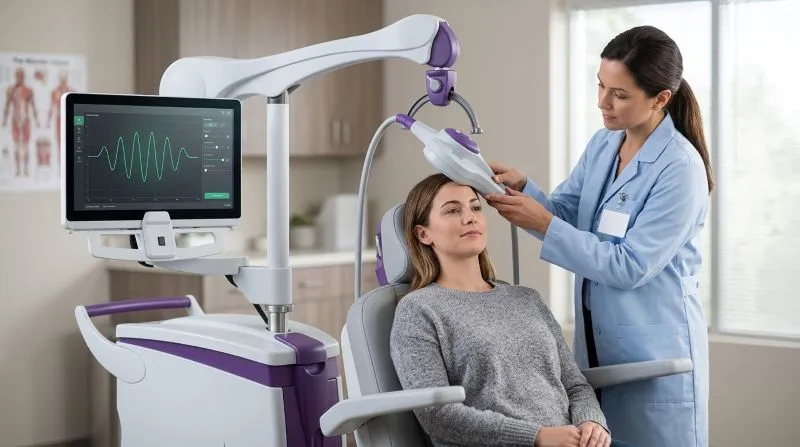
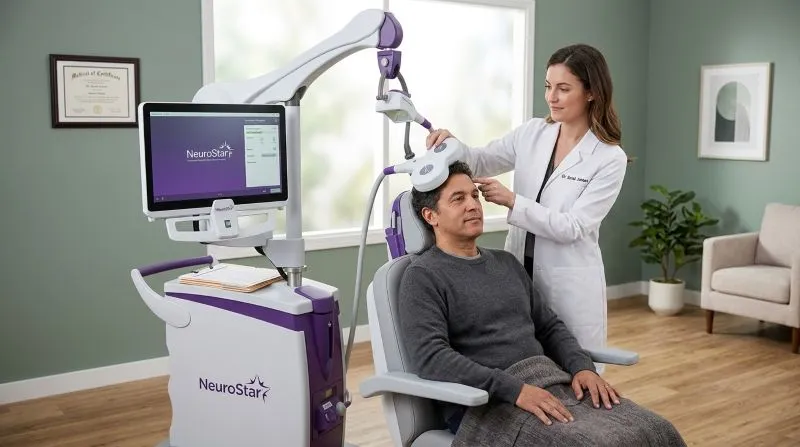
For symptoms that haven’t responded well to therapy or medication alone, some providers offer TMS for anxiety, a non-invasive treatment sometimes considered when standard approaches haven’t given enough relief. A qualified provider can help determine what fits your specific situation.
Understanding Why You Wake Up With Anxiety And Finding A Path Forward
Waking up with anxiety rarely comes down to a single cause. It’s usually a mix of stress levels, sleep quality, natural hormone changes, and sometimes an underlying mental health condition working together. Occasional stress in the morning is normal, but when it shows up frequently or intensely enough to disrupt daily life, it deserves real attention.
Identifying personal triggers – poor sleep, late-night stress, or something more persistent – and building steady routines around them can meaningfully ease the pattern over time. For anyone dealing with symptoms that aren’t easing up on their own, speaking with a qualified mental health professional can provide personalized guidance and treatment options.
Frequently Asked Questions
Why do I keep waking up anxious even when I went to bed feeling calm?
The mind can keep processing stress during sleep even if you felt relaxed beforehand. Combined with the natural cortisol rise after waking, this can create a feeling that seems to come out of nowhere, even after a peaceful night.
Why does it happen to me almost every single day?
A daily pattern often points to something ongoing rather than a one-off event – chronic stress, a sleep issue, or an underlying anxiety disorder. Daily anxiety when I wake up is worth discussing with a healthcare provider rather than assuming it will resolve on its own.
Can what I dream about affect how I feel when I wake up?
Yes. Dreams can carry emotional residue from unresolved stress, and waking from an intense dream can leave the body in a heightened state before you’re even fully conscious.
Is it normal to feel anxious as soon as I open my eyes?
Mild tension or grogginess is common, but intense fear, a racing heart, or dread right at the moment of waking is worth paying attention to, especially if it happens regularly – this is a hallmark sign of anxiety when waking up.
How long does it usually take to pass?
For many people, anxiety in the morning fades within 30 to 60 minutes as cortisol levels stabilize and the day gets underway. If it lingers for hours or affects your ability to function, it may need more focused attention.