
Yes, nervousness can grow into anxiety, but it isn’t automatic. The real dividing line between nervousness and anxiety is time and reach. Nerves show up before a specific event and fade once it’s over. Anxiety sticks around, appears without a clear trigger, and slowly starts deciding what someone avoids.
When worry repeats day after day, the brain can learn to treat ordinary situations as threats. Catching that shift early usually makes treatment simpler.
Same Butterflies, Two Very Different Stories
The night before a job interview, sleep comes slowly. Then the meeting ends, the walk outside feels lighter, and by dinner it’s forgotten.
Now imagine the same knot in the stomach, except it never leaves. The mind keeps replaying every answer, and the next morning brings fresh dread with nothing on the calendar.
In the body, both can feel almost identical:
- A racing or pounding heart
- Sweaty palms or shaky hands
- Restlessness and an urge to pace
- Trouble focusing on simple tasks
What differs is how long the feelings last and how much room they take up in daily life.
Why The Nervous Vs Anxiety Question Matters
Calling a months-long struggle “just nerves” can quietly delay real help. Sorting out the nervous vs anxiety puzzle:
- Shows when self-care is enough and when it isn’t
- Gives clearer words to use with a doctor
- Flags patterns before they harden

Below, anxiety vs nervousness is broken down in plain terms, along with warning signs and treatment options.
Nervousness Vs Anxiety: What Is The Main Difference?
The short version: nervousness responds to a clear event, while anxiety often keeps running after the event is gone.
What Does It Mean To Feel Nervous?
Nervousness is the body gearing up for something that matters, like a first date or a medical test. Ordinary nerves usually:
- Have a trigger that’s easy to name
- Peak right before or during the event
- Ease once the moment passes
In small doses, they can even sharpen focus.
What Is Anxiety, And How Is It Different?
Anxiety is a wider sense of worry about what might happen. As a passing emotion, everyone feels it. As a condition, such as generalized anxiety disorder or panic disorder, it’s frequent, hard to switch off, and out of proportion to the situation.
Here’s a quick look at anxiety vs nervousness:
Feature | Nervousness | Persistent anxiety |
Trigger | Clear, specific event | Often vague or missing |
Timing | Before or during the event | Before, during, and long after |
Duration | Minutes to hours | Weeks to months |
Intensity | Matches the situation | Larger than the situation calls for |
Effect on life | Little to none | Avoidance, poor sleep, lost focus |
Typical fix | Passes on its own | Often needs a structured approach |
There’s no sharp border between the two. They sit on a spectrum, and where someone lands can shift over time.
Can Nervousness Turn Into Anxiety Over Time?
It can, especially when the same nervous reaction keeps firing in more and more situations.
When Temporary Nervousness Becomes A Repeated Pattern
The brain learns fast. Each time it reacts strongly to something and then avoids it, that situation gets filed under “dangerous.” The slide often looks like this:
- A stressful event triggers normal nerves.
- Worry about the next similar event starts days early.
- Skipping it brings quick relief.
- That relief teaches the brain that avoidance works.
- The worry spreads to related situations.
This is why the nervous vs anxiety line blurs so quietly. Still, most people who feel nervous never develop an anxiety disorder.
Why Do Some People Experience More Anxiety Than Others?
No single cause explains it; biology, life experience, and long-term stress usually work together.
Differences In The Brain’s Response To Perceived Threats
The amygdala works like a smoke detector for danger. In some people, it’s extra sensitive and goes off at the smell of toast, while the prefrontal cortex, the part that calms things down, is slower to step in.
Chronic Stress And Repeated Uncertainty
Money trouble, caregiving, or an unstable job can keep the stress system switched on for months.
How someone handles the unknown matters too. A 2025 longitudinal study in the Journal of Anxiety Disorders followed children from preschool into middle childhood. Kids who found uncertainty more distressing tended to show higher generalized anxiety across those years.
That’s a core piece of the anxiety vs nervous distinction. Nerves focus on one known event, while anxiety feeds on “what if.”
Personality, Previous Experiences, And Family History
Some factors raise the odds of anxiety sticking around:
- A cautious or perfectionistic temperament
- Past trauma, loss, or a frightening experience
- Relatives with anxiety or depression
- Poor sleep or heavy caffeine use
None of these guarantees a disorder.
7 Signs Your Nervousness May Be Becoming A More Serious Anxiety Problem
One sign alone rarely means much, but several showing up together for weeks are worth taking seriously.
1. You Feel Nervous Even When Nothing Stressful Is Happening
A quiet Sunday shouldn’t feel like the minutes before a final exam. Tension with no event attached is often more than ordinary nerves.
2. Your Worry Continues After The Situation Has Ended
Nerves usually drop off once the meeting or flight is over. Anxiety rewinds the tape, picking apart what was said days later.
3. You Start Avoiding Situations That Make You Nervous
Avoidance is one of the clearest red flags, and it often starts small:
- Letting calls go to voicemail
- Skipping a friend’s party
- Turning down a role that involves public speaking
Each choice brings short-term relief and a slightly smaller life.
4. Physical Symptoms Become Frequent Or Difficult To Manage
Headaches, stomach trouble, muscle tension, or a tight chest several times a week call for a medical check, partly to rule out other causes.
5. You Constantly Expect Something To Go Wrong
The phone buzzes, and the first thought is bad news. A partner is late, and the mind jumps to an accident. That steady dread is a hallmark of anxiety.
6. Nervousness Begins Affecting Your Sleep And Concentration
Racing thoughts at bedtime or rereading the same paragraph five times are common signs. Poor sleep then fuels more worry the next day.
7. Your Anxiety Starts Interfering With Everyday Life
This is where the anxiety vs nervous comparison gets concrete. A few honest questions help:
- Has work or school performance dropped?
- Are relationships strained by cancelled plans?
- Has this gone on for six months or more?
Several “yes” answers point toward something that deserves professional attention.
When Does Anxiety Require Professional Treatment?
Reach out when worry lasts for weeks, keeps growing, or starts costing things that matter. Common signs it’s time:
- Symptoms haven’t eased in several weeks
- Avoidance is shrinking work, school, or social life
- Panic attacks or strong physical symptoms keep returning
- Low mood or hopelessness shows up alongside the worry
If thoughts of self-harm appear, get same-day help. In the U.S., calling or texting 988 reaches the Suicide & Crisis Lifeline.
Treatment Options For Persistent Anxiety And Related Conditions
Persistent anxiety responds well to care, while ordinary pre-event nerves don’t need clinical treatment at all.
Psychotherapy For Persistent Anxiety
Therapy helps people understand their emotional reactions, looping worries, and habits of avoidance. Evidence-based options include:
- Cognitive behavioral therapy (CBT): reshapes unhelpful thought patterns
- Exposure-based therapy: gradually faces feared situations, when appropriate
- Tailored approaches: built around a person’s history and triggers
The goal is steadier emotional regulation and calmer responses to stress.
Medication For Anxiety Disorders
Certain antidepressants, such as SSRIs and SNRIs, are used for anxiety disorders when clinically appropriate. They can lower symptom severity and make daily life easier to manage. The right choice depends on the diagnosis, symptom history, other health issues, and personal preference.
Can TMS Help When Anxiety Occurs Alongside Depression?
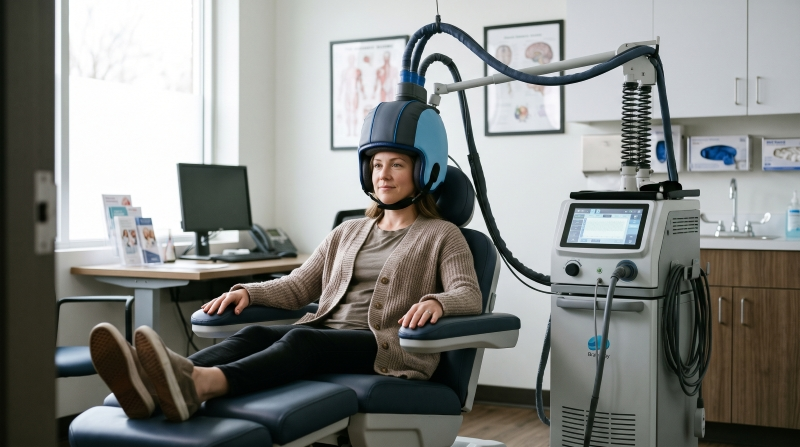
Transcranial magnetic stimulation (TMS) is a noninvasive treatment that uses magnetic pulses to influence specific brain circuits. It’s an established treatment for major depressive disorder and is cleared for some other conditions, including OCD.
It helps to separate two situations:
- Anxious depression: major depression with significant anxiety symptoms
- A standalone anxiety disorder: anxiety without major depression
For the first group, the evidence is encouraging. A 2025 study in Frontiers in Psychiatry tracked 86 adults with treatment-resistant depression and co-occurring anxiety. After a TMS course, both depression and anxiety scores dropped significantly, and the two tended to improve together.
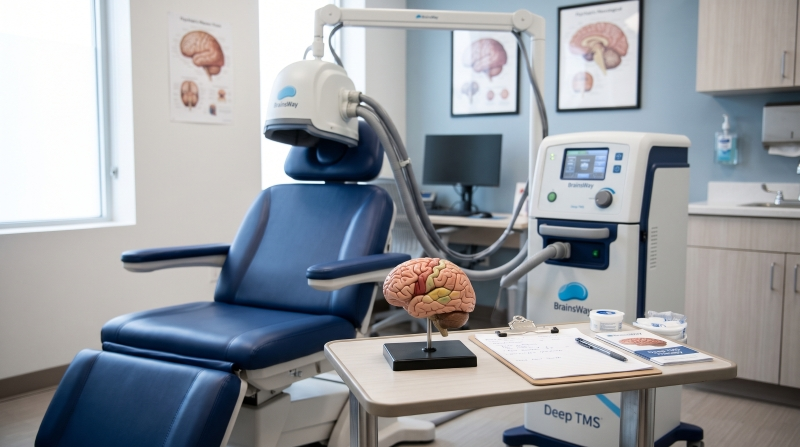
LifeQuality TMS in Brooklyn uses BrainsWay Deep TMS, which is FDA-cleared to reduce anxiety symptoms in adults with major depression. The clinic focuses on depression, anxious depression, and OCD.
TMS isn’t a first-line fix for everyday nervousness or a general treatment for every anxiety disorder. A clinician first reviews symptoms, history, past treatments, and safety factors like metal implants or seizure risk.
Recognizing When Nervousness Becomes More Than A Passing Feeling
Nervousness and anxiety are close relatives, and both are normal reactions to hard moments.
The nervousness vs anxiety question really comes down to a few checks:
- How long does the feeling last?
- Does it need a clear trigger?
- Is it changing what gets avoided or skipped?
Nerves don’t automatically turn into a disorder. When worry starts running the schedule, though, getting an evaluation is a practical step, not an overreaction. For people whose anxiety travels with depression, the team at LifeQuality TMS can help figure out whether Deep TMS fits into the plan.
Frequently Asked Questions
Is being nervous the same as having anxiety?
Not exactly. Being nervous is a short reaction to a known event. Anxiety can be an emotion too, but as a condition it lasts longer, feels bigger than the situation, and affects daily life. That’s the core of anxiety vs nervousness.
Why do I feel nervous for no reason?
Poor sleep, caffeine, or ongoing stress can keep the body on alert. If it happens often without a clear trigger, it may be persistent anxiety worth discussing with a professional.
Can nervousness go away on its own?
Usually, yes. Everyday nerves fade once the event passes, but worry that keeps returning for weeks often needs support.
How can someone tell if their nervousness is normal?
A simple test in the anxiety vs nervous debate: normal nerves match the situation and leave when it ends. If the feeling shows up most days, triggers avoidance, or disrupts sleep and focus, it’s more than ordinary nervousness.
Does the difference matter when choosing treatment?
Yes. Ordinary nerves rarely need treatment beyond rest and coping skills. A diagnosed anxiety disorder often benefits from therapy, medication, or both. When anxiety comes with major depression, Deep TMS may be an option after a full evaluation.