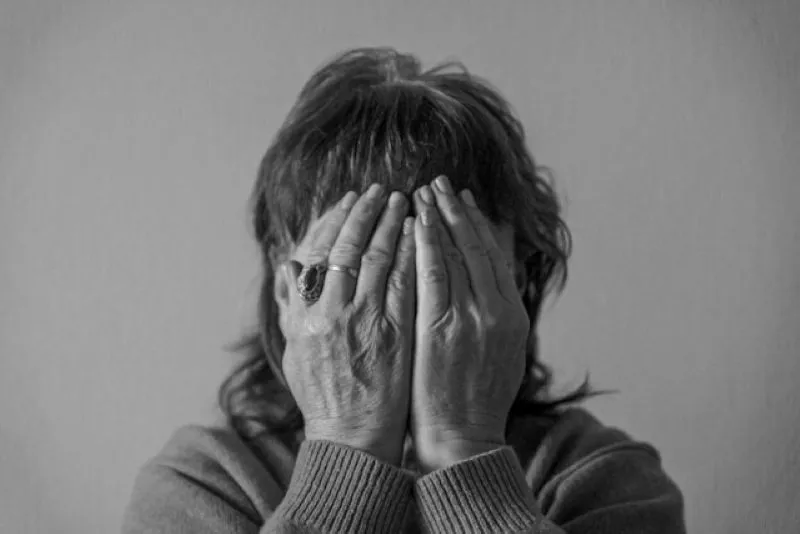
Most families don’t see it coming. An older parent starts canceling plans. A grandparent who used to sleep soundly is now up at 3 a.m. A husband who never complained about his health is suddenly convinced something is seriously wrong – every other week. These aren’t just personality quirks or signs of getting older. They’re often symptoms of anxiety in the elderly, and they go unrecognized far more often than they should.
Anxiety doesn’t always look like panic. In older adults, it tends to be quieter – woven into physical complaints, sleep problems, and a kind of low-level dread that family members might chalk up to aging. But beneath those surface changes, something treatable is usually going on. This article breaks down what to look for, what makes older adults more vulnerable, and what actually works when it comes to getting help.
Understanding Anxiety in Old Age
There’s a difference between worrying about a health scare and living in a state of near-constant apprehension. Anxiety in old age crosses that line – it’s not a rough week or a stressful season, it’s a pattern that doesn’t let up and starts to chip away at daily life.
Part of what makes it so easy to miss is the way older adults themselves talk about it. Many don’t say they’re anxious. They say they’re tired. Or that their stomach has been off. Or that they just don’t feel like going out anymore. Mental health was rarely discussed openly in the generations now in their 70s and 80s, so there’s often no language for what they’re experiencing – and real reluctance to label it as a psychological problem.

That delay in recognition has real consequences. Untreated anxiety in older people has been linked to cognitive decline, worsened outcomes for chronic illness, and steady withdrawal from the activities and relationships that make life meaningful. A 2025 scoping review in Geriatrics found that anxiety in this age group carries tangible cognitive, emotional, and physical costs – and that both psychological and social factors shape how the condition develops over time. The earlier it’s caught, the better the outcome tends to be.
Key Signs and Symptoms of Anxiety in the Elderly
Emotional Symptoms
Anxiety in older adults rarely shows up as the chest-clutching fear people imagine. More often, it’s a background hum of worry that never fully quiets down – focused on health, money, or the sense of becoming a burden on the people they love.
Some of the emotional signs worth watching for:
- A persistent, low-grade fearfulness – feeling like something bad is always just around the corner
- Irritability or emotional reactions that seem out of proportion to what’s happening
- Pulling back from social situations that used to be enjoyable
- A kind of emotional numbness that can look a lot like depression
- Intense preoccupation with minor physical symptoms or upcoming medical appointments
That last one is easy to overlook. When an older adult keeps calling to report new symptoms or reschedules the same doctor visit multiple times, it’s tempting to treat it as a logistics problem. But repeated health-related worry like that, especially without a clear physical cause, is one of the more telling signs and symptoms of anxiety in the elderly.
Cognitive and Behavioral Symptoms
Here’s something that surprises a lot of families: anxiety can look like early dementia. The forgetfulness, the difficulty making simple decisions, the way a person seems suddenly overwhelmed by things that used to be second nature – all of that can be driven by anxiety rather than cognitive decline.
Other behavioral and cognitive changes to notice:
- Thoughts that loop and won’t stop – the same worry recycled over and over
- Trouble deciding even small things, like what to eat or whether to go for a walk
- Seeking reassurance from family more than usual, sometimes multiple times, about the same thing
- Quietly dropping hobbies, volunteering, or outings without any clear explanation
- Compulsive checking – locks, medications, the stove – especially if it’s a new behavior
Physical Symptoms
This is where anxiety in old people does the most damage to the diagnostic process. The physical symptoms are genuine and often significant – but because they look like cardiac or GI or neurological problems, the psychological root doesn’t get addressed.
Watch for:
- Muscle tension that doesn’t have an obvious cause, often in the neck, jaw, or shoulders
- Sleep problems – trouble falling asleep, waking repeatedly, or waking exhausted despite a full night’s sleep
- Unexplained fatigue that rest doesn’t fix
- Heart palpitations, chest tightness, or a feeling of breathlessness
- Dizziness or light-headedness without a clear medical explanation
- Stomach pain, nausea, or changes in bowel habits that keep coming and going
The frustrating part is that these symptoms are often investigated as physical problems first – sometimes for months – before anyone asks about mood or worry. A good clinician will eventually connect the dots, but families who notice the pattern can help move that conversation along.
Overlapping Conditions
Anxiety rarely shows up alone in older adults. Depression is the most common companion, and the two reinforce each other in a way that makes both harder to treat if only one is addressed. On top of that, several common medical conditions produce symptoms that look almost identical to anxiety: thyroid disorders, heart arrhythmias, COPD, and chronic pain can all create a state of physical unease that mirrors anxious arousal.
Medication is another complicating layer. Corticosteroids, some blood pressure drugs, and stimulant-based treatments can either trigger anxiety or make an existing case significantly worse. Which is why getting a clear picture requires looking at the whole person – not just a checklist of symptoms.
For older adults managing both anxiety and cognitive changes at the same time, it’s worth understanding how these issues interact. The TMS for Alzheimer’s and cognitive decline page offers useful background on brain-based approaches for overlapping conditions.
Risk Factors That Increase Anxiety in Older Adults
Some people make it into their 80s without a day of clinical anxiety. Others develop it for the first time at 70. The difference often comes down to a combination of circumstances – and knowing what those are makes it easier to spot when someone is at risk.
Risk Factor | Why It Matters |
Chronic illness (diabetes, heart disease, chronic pain) | Physical suffering and ongoing uncertainty feed worry |
Loss of independence | Losing the ability to drive, live alone, or manage finances is a direct blow to self-worth |
Bereavement and social isolation | Losing a spouse or close friend removes both emotional support and daily structure |
Polypharmacy | Multiple medications interact unpredictably; some directly cause anxious symptoms |
History of anxiety or depression | Earlier episodes significantly raise the likelihood of recurrence |
Falls or hospitalisation | A frightening medical event can leave lasting fear and avoidance patterns |
One risk factor that doesn’t get enough attention is financial stress. Older adults on fixed incomes, especially those navigating rising prescription costs or unexpected care needs, carry a specific, grinding kind of worry. It’s chronic, it’s often hidden, and it can quietly become clinical anxiety without anyone framing it that way.
How to Detect Anxiety in Older Adults Early
The most reliable early detection tool isn’t a questionnaire – it’s a person who knows the individual well and is paying attention. Family members and caregivers are in the best position to notice when something has shifted: when a parent who used to love Sunday dinners starts making excuses, or when a spouse who slept easily is now restless every night.
The key is to ask direct, open questions. “Are you anxious?” usually gets a flat denial. “Have you been worrying more than usual?” or “Is there anything keeping you up at night?” tend to open things up. These aren’t clinical assessments – they’re just conversations, and they often matter more than a formal screening.
That said, healthcare providers need to be part of this, too. Validated tools like the Geriatric Anxiety Inventory (GAI) and the GAD-7 exist precisely for this context and take only a few minutes to administer. Screening for anxiety in old age during routine checkups is still underused, and family members who raise the concern proactively – rather than waiting for a provider to ask – often make the difference.
For those who need more specialized support, centers offering non-invasive options like TMS therapy for anxiety are worth looking into, especially when standard approaches haven’t been enough.
Treatment Approaches for Anxiety in the Elderly
Non-Drug Interventions
Cognitive Behavioral Therapy remains the most evidence-backed psychological option for late-life anxiety. It’s practical – focused on identifying thought patterns and changing responses, not just talking through feelings – and it translates well to telehealth for older adults with mobility limitations.
Breathing-based relaxation, progressive muscle relaxation, and mindfulness practices also help, particularly with sleep and the physical tension that accompanies chronic anxiety.
Medication Management
SSRIs and SNRIs are the standard first-line medication choices, and generally better tolerated by older adults than the alternatives. Benzodiazepines are still widely prescribed but carry real risks in this age group – including falls, memory problems, and dependence – that often outweigh any short-term benefit.
Integrative Approaches
Movement matters more than most people expect. A 2024 meta-analysis in BMC Sports Science, Medicine and Rehabilitation pulled data from 11 randomized controlled trials involving 770 older adults and found that physical activity consistently reduced anxiety symptoms – regardless of the type of exercise. Even modest, regular movement appears to have a genuine therapeutic effect.
Social engagement works alongside physical activity. Group activities, community programs, and regular contact with friends and family chip away at the isolation that feeds late-life anxiety. For older adults also managing depression, the non-drug treatment for depression guide covers a range of complementary options worth considering.
Specialist Care
When standard treatments haven’t worked – or when medication isn’t a safe option – Transcranial Magnetic Stimulation (TMS) offers a well-tolerated, non-invasive alternative. It works by delivering targeted magnetic pulses to the brain regions involved in mood and anxiety regulation, without the systemic effects that make many medications difficult for older patients.
At LifeQuality TMS in Brooklyn, NYC, treatment is delivered using the FDA-cleared BrainsWay deep TMS device – one of the most advanced systems available. For seniors who haven’t found relief through conventional approaches, it’s a conversation worth having with a healthcare provider.
Prioritising Mental Health in Older Adults
The signs and symptoms of anxiety in the elderly don’t usually announce themselves. They show up as unexplained fatigue, cancelled plans, and new physical complaints that don’t quite add up. They look like aging. They look like a personality. They look like grief. Spotting them for what they actually are – a treatable condition – takes attention, the right questions, and a willingness to take mental health as seriously as a blood pressure reading.
Anxiety in old age is not a given, and it’s not permanent. Whether through therapy, medication, lifestyle changes, or specialist treatment, meaningful improvement is achievable for most older adults who get appropriate care. The people around them are often the first line of recognition – and sometimes the reason help gets found at all.
Frequently Asked Questions
Can anxiety in older adults look different from anxiety in younger people?
Yes, often quite a bit. Older adults tend to express it through physical complaints – digestive problems, heart palpitations, chronic fatigue – rather than emotional language. Worry in this age group also tends to center on health and dependency rather than the social or work-related concerns that show up more in younger people. This shift in presentation is exactly why the condition gets missed so often.
Is anxiety a normal part of getting older?
Occasional nervousness around health changes or major life events is normal at any age. But anxiety that disrupts daily functioning, sleep, or social life is not an expected feature of aging – and it’s treatable. One of the biggest obstacles to care is the widespread belief, among older adults and sometimes their doctors, that this is just what getting old feels like.
Can anxiety cause memory problems in elderly people?
It can, yes. Persistent worry pulls cognitive resources away from memory and concentration, making it genuinely harder to retain information or stay mentally sharp. In older adults, this can be difficult to distinguish from early dementia, which is why an accurate diagnosis is so important before assuming the worst.
What is the connection between anxiety and depression in the elderly?
They often travel together. Anxiety creates chronic physiological arousal and disrupts sleep; depression adds hopelessness and low energy to the mix. Each condition makes the other harder to manage, and in older adults who’ve experienced major losses or health crises, both tend to surface at the same time. Treatment that addresses only one while ignoring the other rarely sticks.
When should a family member seek professional help for an anxious older adult?
If anxiety is affecting sleep, causing withdrawal from daily life, or generating real distress – even if it doesn’t look dramatic from the outside – it’s time to get a professional opinion. There’s no reason to wait for a crisis. A GP visit with a specific ask for mental health screening is a good starting point. For more targeted support, GAD treatment options at a dedicated center can offer a more thorough evaluation.