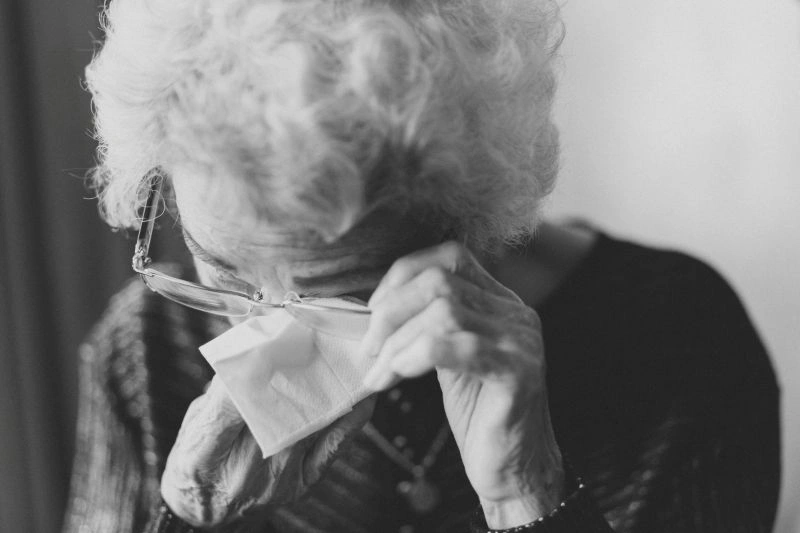
Anxiety in the elderly often shows up as physical complaints, sleep trouble, or excessive worry about health and safety rather than the racing thoughts or panic attacks common in younger people. Older adults are also more likely to blame their symptoms on aging, arthritis, or a heart condition instead of recognizing them as anxiety, which means the problem frequently goes undiagnosed and untreated for years.
When Worry Doesn’t Look Like Worry Anymore
An older man checks the stove twice before leaving the house. He locks the door, then goes back to check it again. His daughter chalks it up to “just getting older,” but the tightness in his chest and the trouble he has falling asleep tell a different story. This isn’t forgetfulness. It’s anxiety, and it looks nothing like the anxiety his twenty-five-year-old grandson describes when he talks about deadlines and social media.
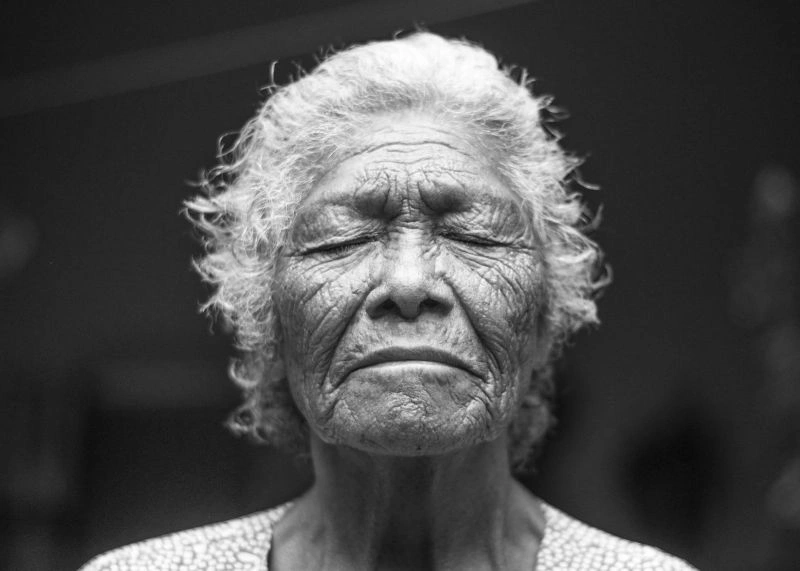
Why Does Anxiety Feel Different As We Age?
The short answer is that the aging brain, an aging body, and a changing set of life circumstances all reshape how anxiety shows up, how long it sticks around, and how well it responds to standard treatment. At LifeQuality TMS, we work with older adults who have spent years assuming their restlessness or stomach trouble was “just part of getting old,” when in fact it was treatable anxiety in the elderly hiding in plain sight.
Anxiety Across the Lifespan – Why Age Matters
Anxiety doesn’t disappear with age, and it doesn’t get simpler either. A 2025 systematic review and meta-analysis pooled data from studies around the world and found that the global prevalence of anxiety symptoms among older adults sits at roughly 28%, a figure that shows anxiety in elderly populations is far from rare. That’s a meaningful chunk of the older population, and yet anxiety in older adults is diagnosed far less often than depression, partly because it wears a different mask.
How Anxiety Presents Differently in Elderly Adults
Younger adults tend to describe anxiety in emotional terms – racing thoughts, dread, panic. Older adults are more likely to describe it in physical terms: chest tightness, dizziness, stomach upset, fatigue, or muscle aches. This is one of the most consistent findings when clinicians compare anxiety in the elderly with anxiety in younger populations. The worry is still there, but it’s often wrapped inside a physical complaint, which makes elderly anxiety easy to miss during a routine doctor’s visit focused on blood pressure or joint pain.
Common Misconceptions About Anxiety in the Elderly
One of the biggest myths is that anxiety is simply a normal reaction to getting older, or that it’s not worth treating because “there’s not much time left to fix it.” Neither is true. Another common misconception is that elderly anxiety always looks like nervousness or fidgeting. In reality, it can look like irritability, social withdrawal, or an intense need for control over small routines. Because symptoms of anxiety in the elderly can mimic normal aging, family members and even doctors sometimes overlook them until they become severe.
The Role of Brain and Body Changes
Aging brings real changes to brain chemistry, including shifts in serotonin and GABA activity, both of which play a role in mood regulation. Combine that with slower metabolism of medications, more chronic illness, and less physical reserve to cope with stress, and you get a nervous system that reacts to stress differently than it did at thirty. This is a major reason anxiety in elderly patients often responds differently to standard treatments than anxiety in a younger, healthier body.
Unique Triggers of Elderly Anxiety
The sources of anxiety shift with age, and understanding these triggers is often the first step toward relief.
- Life transitions – retirement, the loss of a spouse or close friends, or moving out of a long-time home can shake a person’s sense of identity and routine, both of which are common triggers for anxiety in elderly adults.
- Chronic health conditions and medications – heart disease, thyroid disorders, and even some blood pressure or asthma medications can produce anxiety-like symptoms or worsen existing ones.
- Social isolation – smaller social circles, driving limitations, or hearing loss can shrink a person’s support network right when they need it most.
- Sleep changes – older adults naturally experience lighter, more fragmented sleep, and disrupted circadian rhythms can feed a cycle of worry and exhaustion.
- Past trauma resurfacing – with more time for reflection and fewer distractions, unresolved trauma from decades earlier can quietly resurface in later life.
The Physical Toll: How Anxiety Quietly Wears Down the Aging Body
Anxiety doesn’t just stay in the mind. Research has repeatedly connected anxiety in older adults with increased rates of illness and even mortality, likely because chronic worry keeps the body’s stress response switched on for far longer than it should be. One recent study on older adults in Korea even found a measurable link between anxiety and reduced grip strength, a marker doctors use to track physical resilience and frailty. Anxiety in the elderly isn’t only a mental health issue; it’s a physical one too, tied to muscle strength, heart health, and how well the body bounces back from illness – one more reason anxiety in elderly patients shouldn’t be brushed off as “just stress.”

How Treatment for Anxiety in the Elderly Differs
Treating anxiety in the elderly isn’t just “the same plan, smaller dose.” It requires a different lens altogether.
Lifestyle and Behavioral Adjustments
Gentle movement, consistent daily routines, and better sleep hygiene tend to matter more for older adults than for younger patients, partly because these habits also support heart health, balance, and cognitive function. Small, sustainable changes often do more for anxiety in elderly patients than a complete overhaul of daily life.
Therapy Approaches Adapted for Older Adults
Cognitive behavioral therapy (CBT) still works well for older adults, but sessions are often shorter, slower-paced, and more focused on practical, present-day concerns rather than abstract thought patterns. Therapists working on anxiety in elderly treatment frequently bring in family members or caregivers to reinforce strategies between sessions. You can read more about how a personalized approach shapes care on our anxiety treatment page.
Medication Considerations
Older adults metabolize medications more slowly, and they’re more likely to be on other prescriptions already, which raises the risk of drug interactions and side effects like dizziness or falls. This means anxiety in elderly treatment plans usually call for lower starting doses, closer monitoring, and a strong preference for medications with a safer profile for older bodies.
Advanced Options Like TMS
For older adults who haven’t found relief through therapy or medication alone – or who can’t tolerate the side effects of anti-anxiety medications – Transcranial Magnetic Stimulation is worth a conversation. TMS therapy is a non-invasive, FDA-approved option that uses magnetic pulses to stimulate the areas of the brain involved in mood regulation, without the systemic side effects that come with oral medication. A 2025 scoping review of TMS use in older adults found that adverse effects across the studies reviewed were rare, mild, and temporary, which supports its safety profile in this age group. At LifeQuality TMS, this is one of the tailored tools we offer through our patient services when standard anxiety in elderly treatment options haven’t been enough.
Tips for Daily Management and Support
Alongside professional treatment, small daily habits can make a real difference in managing symptoms of anxiety in the elderly.
- Build structured routines. Predictable mealtimes, medication schedules, and sleep times reduce the number of daily decisions that can trigger worry.
- Practice mindfulness and relaxation exercises. Simple breathing exercises, gentle stretching, or short guided meditations can lower physical tension without requiring major lifestyle changes.
- Stay socially connected. Regular phone calls, community groups, or even a weekly visit from family can reduce the isolation that often fuels anxiety in elderly individuals, which is why family involvement is such a key piece of any anxiety elderly care plan.
Ready to Get Support?
If you or a loved one is dealing with anxiety in the elderly, you don’t have to figure it out alone. LifeQuality TMS offers individualized evaluations to help older adults find a treatment plan that actually fits their needs, whether that means therapy, medication management, or TMS. Schedule a consultation to learn more about our elderly anxiety therapy services and TMS treatment options.
Recognizing the Difference Is the First Step Toward Relief
Anxiety in the elderly often looks different from anxiety in younger adults, with its own set of symptoms, triggers, and effects on daily life. Recognizing these differences is what makes the right kind of help possible. With tailored strategies – including therapy, lifestyle adjustments, and professional support from LifeQuality TMS – older adults can manage anxiety effectively and get back to feeling more like themselves.
Frequently Asked Questions
What are the signs of anxiety in an elderly person?
Common symptoms of anxiety in the elderly include restlessness, excessive worry about health or safety, muscle tension, trouble sleeping, irritability, and physical complaints like stomach upset or a racing heart that don’t have a clear medical cause.
Can anxiety suddenly start in old age with no history of it?
Yes. It’s entirely possible for anxiety to appear for the first time later in life, often triggered by a health scare, the loss of a spouse, or a major life transition like retirement or moving into assisted living, even in people who never struggled with anxiety before.
Is anxiety in older adults treatable, or is it just part of aging?
Anxiety in the elderly is treatable at any age. It is not a normal or unavoidable part of getting older, and treatment – including therapy, medication adjustments, and options like TMS – can meaningfully improve quality of life.
How is anxiety in the elderly different from dementia or memory problems?
Anxiety can cause forgetfulness, trouble concentrating, and confusion that sometimes gets mistaken for early dementia. The key difference is that anxiety symptoms tend to fluctuate with stress and often come with physical symptoms like tension or sleep disruption, while dementia involves a more steady, progressive decline in memory and reasoning. A proper evaluation can help tell the two apart.
What can family members do to help an elderly parent with anxiety?
Family members can help by encouraging a consistent daily routine, checking in regularly to reduce isolation, gently suggesting a conversation with a doctor or therapist, and avoiding dismissive comments that frame anxiety as “just nerves” or a normal part of aging.