
Yes. Separation anxiety in teens can improve significantly with the right treatment. Approaches such as cognitive behavioral therapy, gradual exposure practice, and family-based support have been shown to reduce fear-based thinking and help teenagers rebuild confidence when they’re away from home. Recovery isn’t instant, and it doesn’t mean a teen will never feel nervous again – but with consistent, evidence-based care, most teens see real, lasting improvement.
Adolescence Is Supposed To Feel Like Growth, Not Dread
Adolescence is supposed to be defined by exploration and independence. Driving lessons, sleepovers, part-time jobs, college visits – these milestones are supposed to feel exciting, even if a little nerve-wracking. But for some teenagers, the idea of being away from a parent or a familiar space doesn’t spark excitement. It sparks dread.
What Separation Anxiety In Teens Really Means
This isn’t the same as being “attached” to family or feeling nervous before a big change. For a portion of teens, separation triggers intense worry, physical discomfort, and behaviors built entirely around avoiding it. That pattern has a name, and it’s more common than most people assume – even in kids old enough to drive. Some parents search using the standard spelling, and others type in seperation anxiety in teens, but both point to the same recognized condition, and the anxiety care our team provides treats it as exactly that.
Why Does Separation Anxiety Return Or Continue During The Teen Years?
Many parents are caught off guard when anxiety that seemed to fade in early childhood shows up again in middle or high school.
The Hidden Struggle Behind Teen Separation Anxiety
On the surface, a teen with separation anxiety might just look reluctant to go to a sleepover, hesitant about a school trip, or oddly insistent on texting a parent every twenty minutes. Underneath, though, there’s often a persistent fear that something bad will happen — to them, or to the person they’re apart from. That fear doesn’t announce itself loudly. It tends to hide behind excuses, stomachaches, or a sudden loss of interest in things the teen used to enjoy doing independently.
When Normal Attachment Becomes Separation Anxiety Disorder In Teens
Feeling close to your family is healthy. The concern arises when the worry becomes constant, disproportionate to the situation, and hard to reason away. Clinically, this shift is described as a diagnosable condition where fear of separation actively interferes with school attendance, friendships, sleep, or daily routines for weeks or months at a time, rather than easing after a stressful event passes.
Why Some Teens Develop Strong Separation Fears
There isn’t a single cause. Researchers point to a mix of temperament, past experiences with loss or instability, family stress, and learned patterns of worry. Common contributing factors include:
- A parent’s illness, hospitalization, or death
- Divorce, separation, or a major family conflict
- Moving homes or switching schools
- A prolonged stretch of remote learning or isolation from peers
- A family history of anxiety disorders
What Does Separation Anxiety Look Like In Teenagers?
Because teens are more verbal than young children, their anxiety doesn’t always look like clinging. It often looks like avoidance, irritability, or physical complaints instead.
More Than Missing Someone: Emotional Signs To Notice
Emotionally, teens with separation anxiety often describe persistent “what if” thinking – worrying that a parent will get into an accident, get sick, or simply not come back. Common emotional signs include:
- Excessive worry about a parent’s or caregiver’s safety when apart
- Reluctance to sleep away from home, even for one night
- Irritability or tearfulness before school, trips, or outings
- Difficulty concentrating because attention is focused on loved ones’ whereabouts
- A strong need for constant reassurance, calls, or texts
The Behaviors Parents Often See First
Parents usually notice the behavior before they understand the underlying emotion. This might mean a teen refusing invitations, asking to stay home “just this once” repeatedly, or insisting a parent stay nearby during ordinary activities like homework or errands. Over time, these small accommodations can quietly shrink a teen’s world.
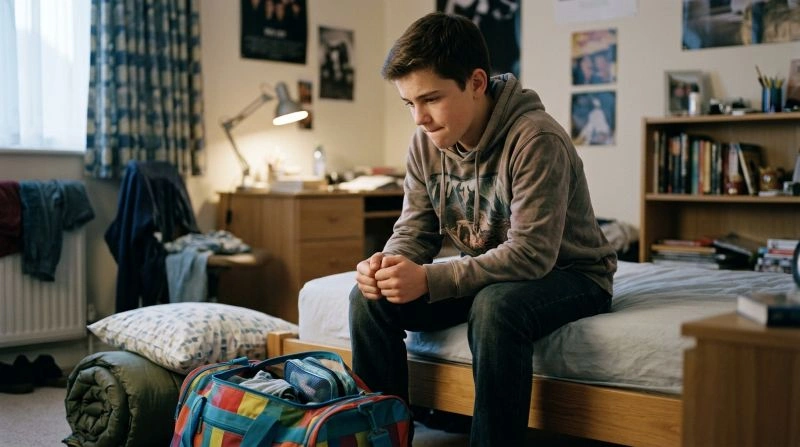
Pro tip for parents: Keep a simple log of when the worry shows up – before school, before sleepovers, before car rides. Patterns in when anxiety strikes are often more useful for a therapist than a general description of “he gets anxious a lot.”
How Anxiety Shows Up Physically
Anxiety rarely stays only in the mind. Physical symptoms are common and often mistaken for unrelated illness. These include:
- Stomachaches or nausea, especially before separation
- Headaches or muscle tension
- Rapid heartbeat or shortness of breath in anticipated separation moments
- Trouble falling or staying asleep alone – a pattern closely related to what’s described in our post on nocturnal anxiety attacks
- Fatigue from disrupted sleep or constant worry
How Separation Anxiety Can Affect A Teen’s Life
A 2025 scoping review in the Journal of Paediatric and Child Health found that, left untreated, separation anxiety teens experience raises the risk of further psychological difficulties down the road – a big part of why early support matters.
Missing Out On Important Experiences
School trips, sports, part-time jobs, and eventually applying to colleges away from home can all become sources of dread rather than growth. A teen’s world can shrink in ways that are easy to miss until you add them up:
- Skipping school trips or extracurricular activities
- Avoiding sleepovers, camp, or overnight events
- Declining part-time jobs or volunteer opportunities
- Choosing nearby colleges out of fear rather than genuine preference
- Withdrawing from friendships that involve time away from home
Some of this overlaps with what we cover in our post on fear of failure and avoidance, since avoiding a feared situation often reinforces the fear rather than resolving it.
The Connection Between Separation Anxiety And Other Mental Health Concerns
Separation anxiety rarely exists in isolation. It often overlaps with generalized anxiety, panic symptoms, school refusal, and low mood, and some teens develop hypervigilance that makes it hard to relax even when nothing is wrong – a pattern we cover in breaking the cycle of anxiety hypervigilance.
How Is Separation Anxiety Disorder In Teens Diagnosed?
A mental health provider typically starts with a conversation – with the teen, and often the parents too – to understand how long the worry has lasted and how much it interferes with daily life. A 2025 psychology research paper on adolescent separation anxiety noted this fear can surface around ordinary events like leaving for school, or bigger separations tied to illness or travel, which is why context matters as much as symptoms during evaluation.
Looking Beyond The Anxiety Symptoms
Diagnosis isn’t just about checking off a list of fears, whether the case notes use the standard spelling or the common variant seperation anxiety in teens. Clinicians typically weigh several factors together:
- Duration: generally weeks to months, not a single bad day
- Intensity: whether the fear is disproportionate to the actual risk
- Interference: whether school, sleep, or friendships are affected
- Overlap: ruling out conditions like general anxiety or depression that can look similar but need different treatment strategies
Can Separation Anxiety In Teens Improve With Treatment?
This is the question most parents actually want answered, and the research is encouraging. This type of anxiety tends to respond well to structured, evidence-based treatment, especially when it starts early and involves the whole family.
Therapy That Helps Teens Build Confidence Away From Home
Treatment isn’t about forcing independence overnight. It’s about building skills gradually, so a teen learns – through repeated, manageable experience – that separation is safe.
Cognitive Behavioral Therapy (CBT): Changing Fear-Based Thinking
CBT helps teens identify the specific thoughts driving their fear (“something bad will happen if I’m not there”) and test those thoughts against reality. Over time, this reduces the automatic jump from separation to catastrophe.
Exposure-Based Approaches: Practicing Independence Step By Step
Gradual exposure involves practicing small separations first – a short errand, then a few hours, then a full day or overnight – while building coping tools along the way. Each successful step reinforces confidence for the next one.
Family-Based Support: Helping Without Feeding Anxiety
Parents play a major role, but well-meaning habits like constant reassurance or avoiding separation altogether can unintentionally reinforce the fear. Family-based therapy teaches caregivers how to offer support while still encouraging appropriate independence, which tends to produce more lasting improvement than therapy for the teen alone. Support systems built around separation anxiety teens actually experience – rather than a generic script – tend to work best.
Pro tip for parents: Praise the attempt, not just the outcome. A teen who tries a sleepover and calls home at 11 p.m. still practiced something hard. Framing that as a partial win, rather than a failure, keeps them willing to try again.
A few signs suggest it’s time to loop in a professional rather than waiting it out:
- The worry has lasted more than a few weeks and isn’t improving
- School attendance or grades are slipping because of separation-related fear
- Physical symptoms (stomachaches, headaches, panic) show up regularly around separation
- The anxiety is limiting friendships, activities, or normal routines
- There are signs of overlapping depression, panic attacks, or persistent low mood

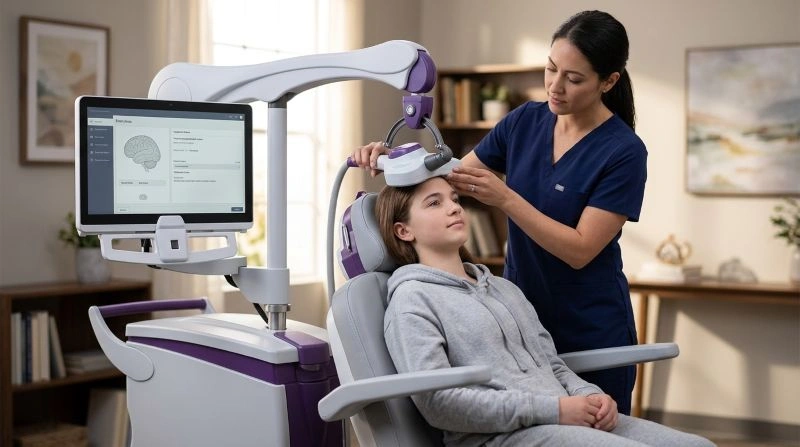
For teens whose anxiety is severe, persistent, or tied to other conditions like depression, personalized mental health care – the kind offered by providers such as LifeQuality TMS – can combine therapy with additional treatment options tailored to the individual.
Moving Forward: Why Treatment Makes A Real Difference
Separation anxiety in teens is more than a phase of missing family or feeling nervous about change. It can quietly shape which experiences a teen accepts and which ones they avoid, and it often overlaps with other anxiety-related struggles that deserve attention too.
Recognizing the pattern early – the excessive worry, the physical symptoms, the avoidance – is the first real step toward change. From there, evidence-based approaches like CBT, gradual exposure, and family-based support give teens practical tools instead of just telling them to “get over it.”
With the right combination of therapy, family involvement, and, when needed, personalized care from our team, teens dealing with this condition can build the confidence to handle time apart from loved ones – and go on to fully take part in the milestones adolescence is supposed to offer.
Frequently Asked Questions
Is separation anxiety normal in teenagers, or is it always a disorder?
Occasional nervousness before a big separation, like leaving for camp or starting a new school, is normal. It becomes separation anxiety disorder in teens when the worry is intense, lasts for weeks or longer, and consistently interferes with daily activities.
Can teens actually have separation anxiety, or is it just a childhood thing?
Yes, teens can absolutely have it. While separation anxiety is well known in young children, it can persist or reappear during adolescence, and it’s recognized as a diagnosable condition in older children, teens, and even adults.
What usually triggers separation anxiety teens experience during high school?
Common triggers include family changes like divorce or illness, a major move, loss of a pet or loved one, or prolonged periods away from normal routines. Genetics and family anxiety history can also play a role.
How can a teenager cope with separation anxiety day to day?
Small, consistent steps help: naming the specific worry out loud, practicing brief separations on purpose, using calming techniques like slow breathing, and talking to a trusted adult or therapist rather than avoiding the feared situation entirely.
Does this type of anxiety go away without treatment?
For some, mild symptoms ease with time and maturity. But when anxiety is already affecting school, sleep, or friendships, it usually doesn’t resolve fully on its own, and professional support tends to speed up and strengthen recovery.