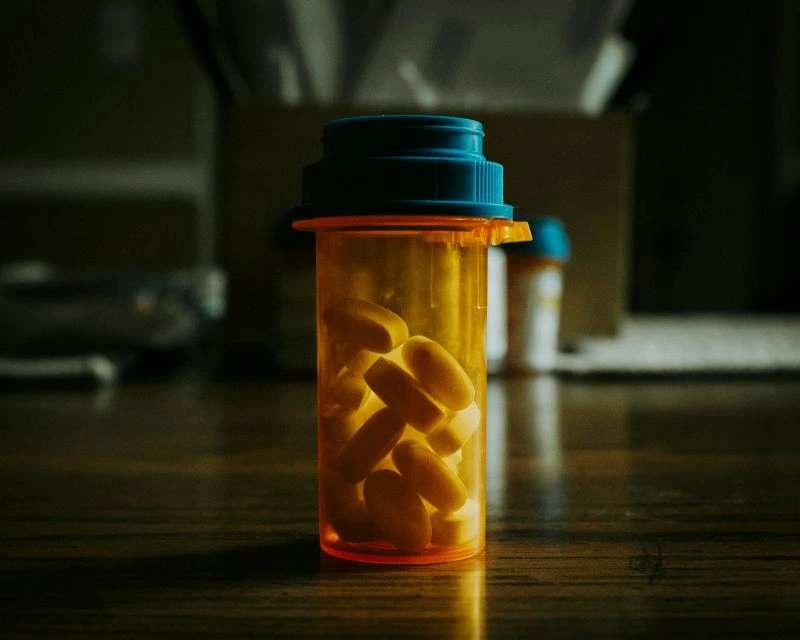
Yes, an antidepressant can stop working even after months or years of success. This is a recognized clinical phenomenon, sometimes called antidepressant tachyphylaxis or the “poop-out effect.” It happens when the brain adjusts to a medication over time, causing symptoms to return or treatment benefits to fade despite consistent dosing. It does not mean a person has failed at recovery – it means the treatment plan needs a second look from a qualified provider.
When a Treatment That Used to Work Stops Helping
A person spends weeks adjusting to a new medication, finally starts sleeping again, feels like themselves, and settles into a routine that works. Then, months later – sometimes a year or more – the fog creeps back in. Motivation drops. Sleep gets shaky again. The same pill, the same dose, the same daily habit, but somehow the results aren’t there anymore.
Why This Pattern Matters for Long-Term Care
This pattern shows up more often than most people expect, and it raises a fair question for anyone managing depression or anxiety long-term: can antidepressants stop working even when nothing about the prescription has changed? An antidepressant stops working for reasons that are usually biological rather than personal, and understanding why this happens matters, because it shapes how treatment gets adjusted down the road and prevents patients from assuming something went wrong on their end.
Can Antidepressants Stop Working? Understanding the Medical Reality
Antidepressants losing effect is not the same thing as a full relapse, and the distinction matters for treatment planning. A partial loss of response means the medication still helps somewhat, but symptoms creep back in at a lower intensity. A complete relapse means the original depressive or anxious state returns largely unchanged, as if the medication were no longer in the picture at all.
What Tachyphylaxis Actually Means
Clinicians use the term antidepressant tachyphylaxis, often nicknamed the “poop-out effect,” to describe this loss of response in someone who previously did well on a medication.

The term isn’t new. Research tracking this pattern goes back decades, and reported rates vary widely depending on the study population. One frequently cited trial found that 33.7% of depressed patients who had achieved full remission on a standard SSRI dose experienced a recurrence of symptoms between 14 and 54 weeks despite staying on the same maintenance treatment – a clear example of how an antidepressant stops working even when the dosing routine never changes.
Patients describe this in fairly consistent ways: the return of low mood after a period of stability, a dulling of the medication’s original effect, or a gradual sense that the treatment “just isn’t doing what it used to.” None of these experiences are imagined, and none point to personal failure.
Biological Reasons Antidepressants Stop Working Over Time
The brain is not a static system, and that’s really the core of why this happens. Several biological shifts can chip away at a medication’s effectiveness even when the dose stays the same.
- Receptor downregulation: With prolonged exposure to a medication that increases serotonin availability, the brain can reduce the number or sensitivity of serotonin receptors. Over time, the same dose produces less impact because the receiving end of the signal has adapted.
- Neurotransmitter system adjustments: Antidepressants don’t act on just one chemical pathway in isolation – they influence interconnected systems involving serotonin, norepinephrine, and dopamine. As these systems recalibrate, the original therapeutic balance can shift.
- Brain plasticity changes: The brain continuously rewires itself in response to ongoing input, including medication. This adaptability is generally a strength, but it also means a treatment that once triggered a strong response may settle into a new baseline that requires less or different input to maintain.
- Underlying disease progression: Depression itself isn’t always static. For some patients, the biological drivers of their mood disorder shift over months or years, meaning a treatment matched to an earlier phase of the illness may not match where things stand now.
- HPA-axis and stress hormone involvement: Chronic stress affects the hypothalamic-pituitary-adrenal axis, which regulates cortisol. Dysregulation here can blunt how effectively antidepressants modulate mood, particularly during periods of sustained life stress.

A 2024 network meta-analysis published in Neuropsychopharmacology reviewed 69 randomized controlled trials covering more than 10,000 participants with treatment-resistant depression, reinforcing how common it is for standard antidepressant approaches to lose ground over time and require a different strategy.
Signs Your Antidepressant Is No Longer Working Effectively
Recognizing the early signals makes a real difference, since catching this shift sooner allows for a faster and less disruptive adjustment to care. Common warning signs include:
- Return of depressive symptoms – persistent low mood, hopelessness, or sadness reappearing after a period of stability.
- Reduced emotional stability – irritability, mood swings, or a shorter fuse for everyday stress.
- Loss of energy or motivation – tasks that felt manageable start to feel heavy again, with less drive to get through the day.
- Cognitive changes – brain fog, slower thinking, or trouble concentrating that wasn’t present during the medication’s effective period.
- Sleep disturbances returning – insomnia, fragmented sleep, or oversleeping creeping back into the routine.
- Loss of functional improvement – difficulty keeping up with work, relationships, or responsibilities that had previously stabilized.
These shifts often build gradually rather than appearing all at once, which is part of why so many patients second-guess themselves before reaching out to a provider. Tracking symptoms over a few weeks – rather than reacting to a single bad day – gives a clearer picture of whether the medication’s effect has genuinely faded or whether something situational is at play.
When Medication Alone Is No Longer Enough
For a subset of patients, the issue isn’t a fading response – it’s that the medication stops producing meaningful benefit at all, a pattern that falls under treatment-resistant depression. This term generally describes a lack of adequate response after trying two or more antidepressants at appropriate doses for a sufficient duration.
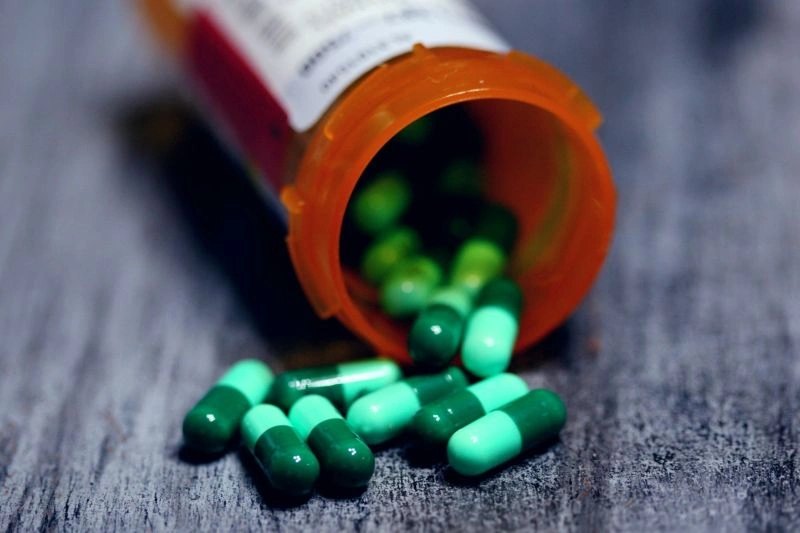
The reasons overlap with the biological factors discussed earlier, but treatment-resistant cases often involve a combination of genetic, neurochemical, and lifestyle-related contributors that make standard pharmacological approaches less reliable on their own. Some patients metabolize medications differently due to genetic variation, which affects how much of the drug actually reaches the brain at an active level. Others have co-occurring conditions, such as chronic stress or untreated sleep disorders, that work against the medication’s intended effect regardless of dose.
A 2024 randomized clinical trial known as ASCERTAIN-TRD compared augmentation strategies against switching antidepressants in patients who had not responded adequately to prior treatment. The trial found that adding repetitive transcranial magnetic stimulation to existing treatment produced a significantly greater reduction in depression severity than switching to a different antidepressant, and the researchers concluded that clinicians should consider this kind of augmentation earlier in the treatment process.
Treatment Pathways Beyond Standard Medication
This kind of finding is exactly why structured psychiatric reassessment matters so much when a medication’s effect fades. At LifeQuality TMS, treatment planning starts with figuring out whether a patient needs a medication adjustment or whether it’s time to bring in a different approach altogether, such as:
Approach | What It Involves | Typically Considered When |
Medication adjustment | Dose change or switch to a different antidepressant class | Early signs of reduced response |
Neuromodulation (TMS) | Targeted magnetic stimulation of brain regions linked to mood regulation | Inadequate response to multiple antidepressant trials |
Combined care | Medication plus structured psychiatric monitoring and therapy | Ongoing reassessment of fluctuating response |
TMS therapy is one such option worth understanding in more depth. It’s a non-invasive, FDA-approved approach that uses magnetic pulses to stimulate brain regions tied to mood regulation, without requiring a change to existing medication. It’s commonly considered for major depressive disorder and treatment-resistant depression, as well as for patients dealing with anxiety or OCD alongside their mood symptoms. A licensed provider can walk through what a TMS evaluation actually involves before recommending it as a next step.
Antidepressants Stopping Working Doesn’t Mean Treatment Has Failed
When antidepressants stop working, it reflects a well-documented and medically understood pattern – not a personal shortcoming or a sign that recovery is out of reach. The brain changes over time, and treatment sometimes needs to change with it. What matters most is recognizing the signs early and bringing them to a qualified provider rather than guessing at a fix alone. Reassessment, not self-adjustment, is what keeps a long-term treatment plan on track.
THE TEXT IS ONLY INFORMATIONAL; FOR FURTHER TREATMENT, CONSULT A DOCTOR
Anyone noticing that symptoms are returning or a medication isn’t working the way it used to can schedule a consultation with LifeQuality TMS for a clinical evaluation. A structured assessment can clarify whether the next step is a medication adjustment, an augmentation strategy, or an advanced treatment pathway suited to where things currently stand.
Frequently Asked Questions
Can an Antidepressant Stop Working After Years of Use?
Yes. Long-term use doesn’t guarantee permanent effectiveness. Some patients do well for years before noticing symptoms creep back, often tied to receptor adaptation or shifts in the underlying biology of their depression.
Why Do Antidepressants Stop Working Suddenly?
A sudden drop in effectiveness can be linked to missed doses, interactions with new medications, major life stress, hormonal changes, or shifts in metabolism. In some cases, what looks sudden has actually been building gradually and only becomes noticeable once symptoms cross a certain threshold. When an antidepressant stops working seemingly overnight, it’s worth reviewing recent changes in sleep, alcohol use, other prescriptions, or stress levels before assuming the medication itself has failed outright.
What Is It Called When Antidepressants Stop Working?
This is medically referred to as antidepressant tachyphylaxis, though it’s commonly nicknamed the “poop-out effect” or described as breakthrough depression in clinical literature.
What Should I Do if My Antidepressant Stops Working?
The most important step is contacting a psychiatric provider rather than adjusting the dose independently. A clinician can determine whether the issue is a dosing problem, a need to switch medications, or a sign that augmentation strategies like TMS deserve consideration.
Does This Mean I Have Treatment-Resistant Depression?
Not necessarily. A single instance of an antidepressant losing effectiveness doesn’t automatically meet the clinical definition of treatment-resistant depression, which generally requires inadequate response across multiple medication trials. A provider can clarify where a specific case falls.