
Quick answer: The clearest signs depression is getting worse include losing interest in things that used to matter, feeling emotionally flat instead of just sad, struggling more with sleep or appetite, withdrawing further from people, and finding it harder to function at work or home. These changes usually build up slowly rather than hitting all at once, which is exactly why they get missed. If you notice several of these shifts happening together, it’s worth treating that as a signal to check in with a mental health provider rather than waiting things out.
That’s the short version. But depression rarely worsens in a way that announces itself. It tends to creep – a little less motivation here, a little more fatigue there – until one day the gap between how you used to feel and how you feel now is hard to ignore. This article breaks down why depression can intensify over time, what the early warning signs actually look like, how clinicians track these changes, and what steps make sense once you notice them. Written from the clinical perspective of LifeQuality TMS, this guide is meant to help you recognize the pattern before it turns into a crisis.
Why Depression Can Get Worse Over Time
Depression isn’t a fixed condition that stays the same once diagnosed. It behaves more like a moving target – symptoms can ease, plateau, or intensify depending on what’s happening in someone’s life, brain chemistry, and treatment for major depressive disorder. Many people assume that once they start therapy or medication, the condition is “handled.” In reality, depression often needs ongoing adjustment, and several factors can cause it to worsen even after treatment has begun.

The most common reasons depression intensifies over time include:
- Untreated or partially treated depression. A person might feel “better enough” to stop checking in with a provider, only for symptoms to quietly rebuild in the background.
- Stress accumulation. Job pressure, grief, relationship strain, or financial worry can pile up faster than coping skills can keep pace, and that imbalance often shows up first as one of the signs depression is getting worse.
- Medication resistance or tolerance. A treatment that worked for months can lose effectiveness over time, leaving symptoms room to slowly resurface.
- Neurobiological changes. Depression is linked to shifts in brain regions and circuits that regulate mood, motivation, and emotional response. When these circuits stay under strain for long periods, the brain’s ability to self-regulate emotion can weaken further.
Together, these factors explain why untreated or undertreated depression tends to compound rather than simply stay flat. Recognizing this dynamic nature is the first step toward catching 37 signs your depression is getting worse before they become severe. For people whose symptoms haven’t responded to standard care, it’s also worth understanding what TMS therapy is and how it fits into a broader treatment picture.
When Emotional Numbness Becomes a Warning Sign
Sadness is the symptom most people associate with depression, but worsening depression often shows up as the opposite – a sense of emotional flatness. Instead of crying or feeling overwhelmed, someone might describe feeling nothing at all, as if their emotions have been muted.
From Sadness to Disconnection
This shift matters clinically. When sadness fades into numbness, it can mean the condition is moving into a more entrenched phase. People in this stage often describe feeling disconnected from their surroundings, going through daily routines on autopilot, or struggling to remember the last time they felt genuinely engaged with anything.
A related and important marker is anhedonia – a reduced ability to feel pleasure in activities that once brought enjoyment. A 2024 study published in the International Journal of Neuropsychopharmacology, which examined nearly 1,300 patients with major depressive disorder, found that anhedonic features are linked to a more severe depression profile and a tendency toward poor antidepressant response. The same research, conducted as part of the Group for the Study of Resistant Depression, also reported that anhedonia was associated with nonresponse to treatment and treatment resistance even after adjusting for other clinical factors.
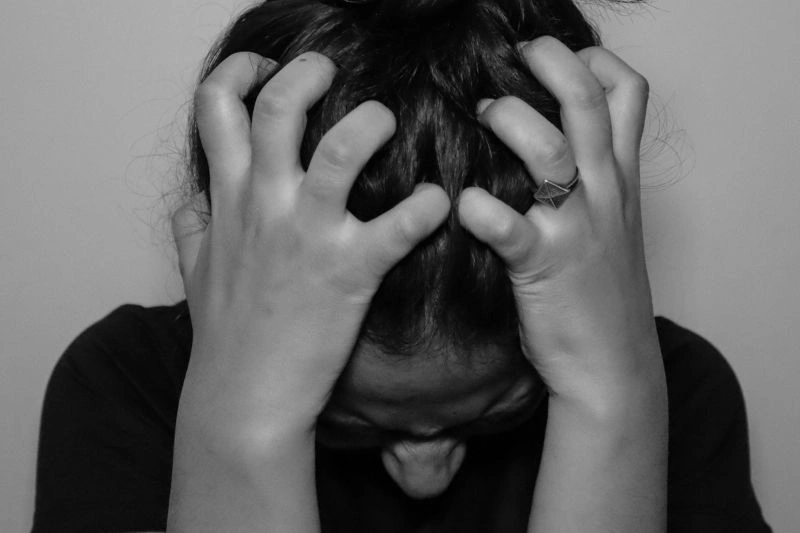
This is one reason emotional numbness shouldn’t be dismissed as “just being tired” or “going through a phase.” It’s frequently among the 33 signs my depression is getting worse that people notice only in hindsight, once the disconnection has already settled in.
How Clinicians Monitor Worsening Depression: A LifeQuality TMS Perspective
At LifeQuality TMS, tracking depression isn’t a one-time event – it’s an ongoing process built around structured tools and regular check-ins. Relying on memory or a vague sense of “feeling worse” isn’t reliable enough for clinical decision-making, so providers use standardized methods to catch change early.
Tools and Markers Providers Track
Clinicians commonly use the PHQ-9 (Patient Health Questionnaire-9), a short, validated screening tool that scores depression severity, alongside structured clinical interviews. A large-scale 2024 U.S. survey involving more than 96,000 adults examined how depressive symptom severity could be efficiently tracked over time, reinforcing how widely this kind of standardized monitoring is now used in both clinical and research settings.
Beyond scoring tools, clinicians also look at functional impairment – whether someone is missing work, withdrawing from relationships, or struggling with basic daily tasks like cooking or cleaning. A drop in functioning is often one of the most telling signs that your depression is getting worse, even before symptom scores shift dramatically. Providers also track symptom intensity over time rather than relying on a single snapshot, since one bad week doesn’t necessarily indicate a worsening trend, but a consistent pattern across several weeks usually does.
This is also why early intervention gets emphasized so strongly in clinical settings. Catching a downward trend at week four is far easier to manage than addressing a full relapse at week twelve. The earlier the signs that depression is getting worse are flagged, the more treatment options remain on the table – including options like TMS for depression for patients whose symptoms haven’t improved with standard care.
The table below summarizes the main monitoring approaches clinicians rely on and what each one is best suited to catch:
Monitoring Method | What It Tracks | When It’s Most Useful |
PHQ-9 / clinical interviews | Overall symptom severity score | Routine check-ins and tracking change over weeks |
Functional impairment review | Work performance, relationships, daily living | Spotting real-world decline that scores alone may miss |
Symptom intensity over time | Patterns across several weeks, not single days | Distinguishing a bad week from a genuine downward trend |
Treatment response tracking | How well current therapy/medication is working | Deciding when a treatment plan needs adjustment |
What to Do When You Notice Depression Is Getting Worse
Recognizing the problem is only useful if it leads to action. The biggest mistake people make is minimizing early warning signs – telling themselves it’s just stress, just a bad month, or just something they need to push through. Ignoring 33 signs that depression is getting worse rarely makes them resolve on their own; more often, it gives the condition room to deepen.
Re-Evaluating the Treatment Plan
The first practical step is revisiting the current treatment plan with a provider rather than assuming nothing can change. Depression treatment isn’t meant to be static – what worked six months ago may need adjusting now.
A few common paths providers explore include intensifying therapy, whether that means more frequent sessions or shifting therapeutic approach, and reviewing current medication to see whether dosage or type needs reassessment, always under medical supervision rather than self-adjustment.
Exploring Advanced Treatment Options
When standard approaches haven’t produced enough improvement, providers may also consider advanced options such as neuromodulation therapies like TMS (Transcranial Magnetic Stimulation), which may be appropriate for some forms of treatment-resistant depression.
A 2024 study published in Frontiers in Psychiatry looked at antianhedonic response patterns in patients with treatment-resistant depression, finding that those who responded to intervention showed significant improvement in anhedonia symptoms over the treatment course, underscoring how targeted intervention can meaningfully shift even the most stubborn symptoms. If you’re weighing whether this kind of approach fits your situation, the FAQ page covers common questions about eligibility and what treatment involves.
The goal isn’t to panic at the first sign of change. It’s to treat 34 signs that your depression is getting worse as useful data rather than something to push aside.
Recognizing the Pattern Before It Becomes a Crisis
Worsening depression rarely arrives as a single dramatic moment. It tends to build gradually, through small shifts in mood, energy, sleep, and connection that are easy to brush off individually but add up to something significant over time. That’s exactly why recognizing the early, quieter signs depression is getting worse matters as much as recognizing the severe ones.
Paying attention to subtle changes – not just waiting for a crisis point – gives you and your care team a real chance to adjust treatment before symptoms become harder to manage. If something feels off, even if you can’t quite name it, that feeling is worth bringing to a professional rather than dismissing. If you’d like to talk through where you’re at, you can reach out to LifeQuality TMS to schedule a consultation.
Frequently Asked Questions
What are the first signs depression is getting worse?
Early shifts often include sleeping more or less than usual, losing interest in hobbies, feeling more irritable than sad, and pulling back from friends or family. These changes can be subtle at first, which is exactly why paying attention to small shifts matters.
How do I know if my depression is becoming severe?
Severity usually shows up as a combination of symptoms rather than just one. Struggling to get through basic daily tasks, noticeable changes in appetite or sleep, persistent hopelessness, and difficulty concentrating at work or school together suggest the condition has moved into a more serious stage and warrants a conversation with a provider.
Can depression get worse even if I’m on treatment?
Yes. Treatment effectiveness can shift over time due to stress, medication tolerance, or life changes. Worsening symptoms while in treatment don’t mean the treatment has failed permanently – they usually mean it’s time for a reassessment, not a reason to stop care altogether.
Is emotional numbness a sign that depression is worsening?
It can be. Emotional numbness, sometimes paired with anhedonia, often indicates the condition has shifted into a more entrenched phase rather than staying at a milder level. This is a pattern clinical research has linked to more severe depression profiles.
What should I do if I notice my depression is getting worse?
Reach out to a mental health provider rather than waiting to see if things improve on their own. A reassessment of your current treatment plan, whether that’s therapy frequency, medication review, or exploring additional options, is a more reliable path forward than managing it alone.
THE TEXT IS ONLY INFORMATIONAL; FOR FURTHER TREATMENT, CONSULT A DOCTOR.