
Most people picture addiction as something that comes in a bottle or a pill. That version of the story gets told a lot – in documentaries, in public health campaigns, in family conversations that happen long after they should have. But addiction doesn’t always work that way. Sometimes there’s no substance involved at all. Just a behavior. A habit that started small, felt good, and slowly became something a person can’t seem to live without – or stop.
That’s the thing about behavioral addictions: they don’t announce themselves. There’s no intervention moment, no rock-bottom scene that anyone recognizes for what it is. Instead, it tends to be quieter – a slow erosion of control that the person experiencing it often explains away for months, sometimes years.
Getting a handle on what behavioral addictions actually are – and taking them seriously – matters far more than most people realize. Left unaddressed, they affect relationships, finances, physical health, and mental well-being in ways that compound over time.
What Are Behavioral Addictions?
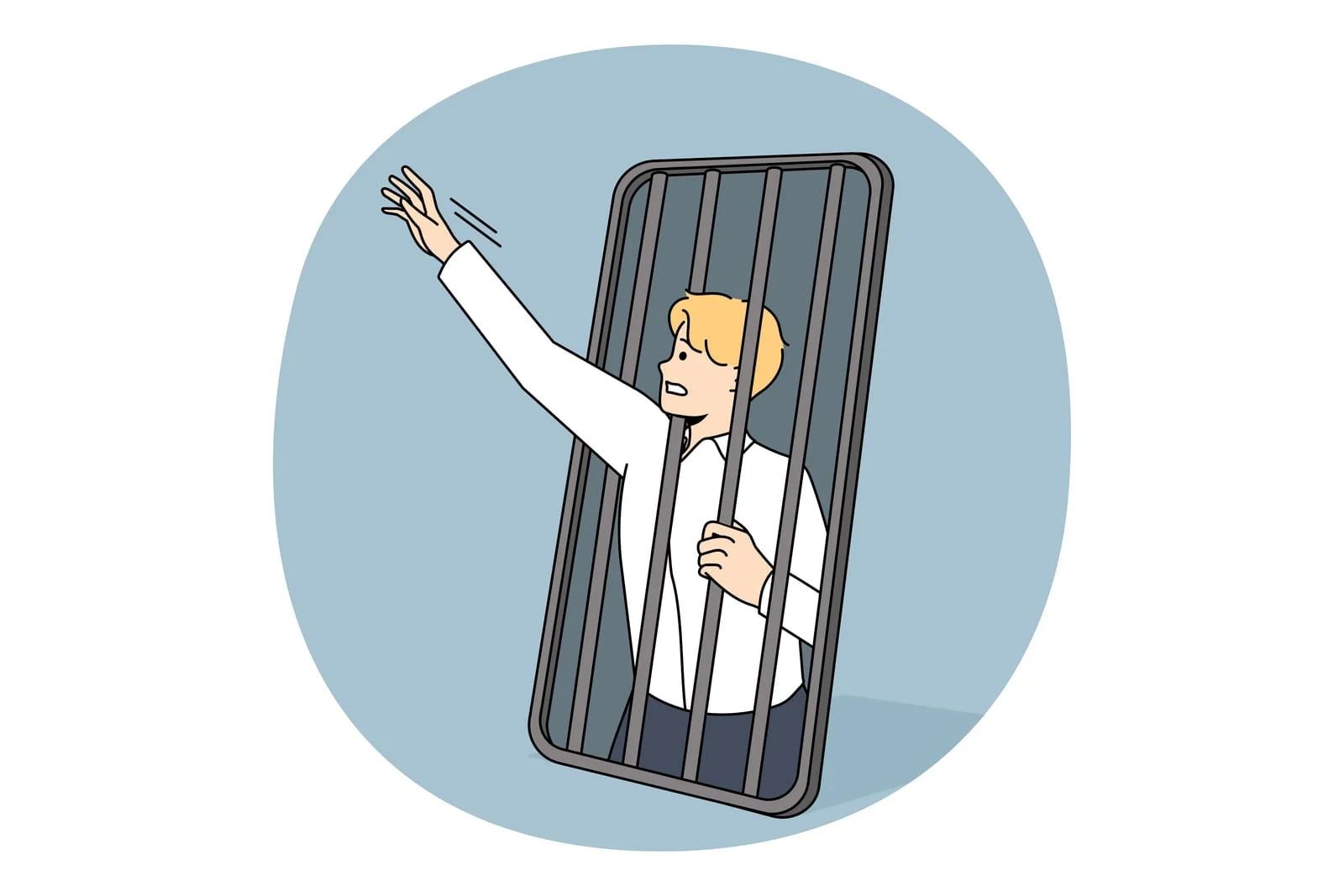
At its core, behavioral addiction is what happens when a person loses control over a specific behavior – not a substance – even though it’s causing real problems in their life. The activity itself becomes the hook: the anticipation of it, the doing of it, the temporary relief it brings.
Common types include:
- Gambling disorder – one of the most studied and formally recognized behavioral addictions
- Gaming addiction – compulsive video game use that disrupts daily functioning
- Compulsive shopping – buying driven by emotional relief rather than actual need
- Internet and social media addiction – excessive online engagement that chips away at relationships and productivity
- Compulsive sexual behavior – repetitive behavior used to manage emotional distress
- Binge eating disorder – recurrent episodes of eating large amounts of food in a short window of time
What ties all of these together isn’t the specific activity – it’s the pattern underneath it. Something that starts as fun or stress-relieving gradually becomes a compulsion. And at some point, the person realizes they want to stop but genuinely can’t seem to.
Recognizing Addictive Behaviors
One reason addictive behaviors go unnoticed for so long is that they don’t look the way people expect addiction to look. Someone dealing with compulsive gambling or excessive gaming might hold down a job, show up for family events, and seem completely fine from the outside.
Watch for signs like:
- Thinking about the behavior constantly, even when doing something else entirely
- Turning to it whenever things feel overwhelming, boring, or emotionally painful
- Trying to cut back – and failing, repeatedly
- Getting irritable or anxious when the behavior isn’t available
- Continuing despite consequences that are already visible: debt, damaged relationships, missed obligations
Over time, the psychological and emotional effects of addictive behavior tend to pile up. Shame gets louder. Self-worth quietly takes a hit. And the very thing someone is using to cope becomes the thing they most need relief from.
The Psychology Behind Behavioral Addictions
How the Brain Gets Hooked
Here’s something most people don’t realize: the brain doesn’t actually care whether a reward is “good for you” or not. It just tracks the dopamine signal – that burst of neurochemical activity that says do that again.
Research published in Frontiers in Psychiatry (2025) found that the neurobiological underpinnings of behavioral addiction disorders primarily involve impairments in the reward circuitry – specifically the ventral tegmental area, the nucleus accumbens, and the prefrontal cortex. These are the same brain regions that light up with substance use, which is exactly why certain behavioral addictions can feel every bit as consuming as a drug habit.
What makes it trickier is that dopamine doesn’t only fire when the reward arrives –it fires in anticipation. So the pull starts earlier and earlier, and over time, the brain needs more of the behavior to get the same effect. That’s how something manageable slowly becomes unmanageable.
Underlying Causes of Behavioral Addictions
There’s no single answer to why one person develops a behavioral addiction, and another doesn’t. It’s rarely one thing – it’s usually several things converging at once.
Emotional regulation plays a big role. A lot of people fall into addictive behaviors because they’re trying to handle something they don’t have another outlet for – grief, chronic stress, old trauma, or the kind of loneliness that doesn’t have an easy fix. The behavior works, at first. It takes the edge off. But the relief doesn’t last, and the need for it grows.
Depression and anxiety are also closely tangled up with behavioral addictions – not as simple causes, but as conditions that tend to worsen each other. Someone using compulsive shopping to manage anxiety might find their anxiety spikes when they see their credit card statement. It becomes circular. That’s why treatment that only addresses one side of the equation often doesn’t stick.
Traditional Approaches to Treating Behavioral Addictions
Therapies and Counseling
CBT – Cognitive Behavioral Therapy – is probably the most well-established option for treating behavioral addictions. The idea is to slow down the automatic link between a trigger and the behavior, identify the thought distortions that keep the cycle going, and build out different responses. It’s not a quick fix, but the evidence behind it for gambling disorder, binge eating, and compulsive internet use is solid.
Other approaches that clinicians commonly use:
- CBT –targets distorted thinking patterns and builds real coping alternatives
- Dialectical Behavior Therapy (DBT) – especially helpful when emotional dysregulation is at the center of things
- Motivational Interviewing – useful for people who are not quite ready to commit to change; it meets them where they are
- Support groups – peer-led spaces like Gamblers Anonymous offer something therapy often can’t: the specific relief of being understood by someone who’s been through the same thing
That last point tends to get underestimated. For a lot of people, hearing someone else describe their own behaviors of addiction without flinching is the first time they don’t feel broken. That matters more than it might sound.
Medications and Alternatives
No medication is currently approved specifically for behavioral addictions, though some are used off-label with real effect. Naltrexone, more commonly associated with alcohol and opioid treatment, has shown measurable promise in reducing cravings in gambling disorder. Antidepressants and mood stabilizers often come into the picture when depression or anxiety is part of the equation.
Mindfulness is another tool that’s gained genuine traction – not as a cure, but as a skill. It teaches people to notice an urge rising without automatically acting on it. That small gap between impulse and action, built up through practice, turns out to be more valuable than it sounds.
| Treatment Approach | Best Suited For | Key Benefit |
| Cognitive Behavioral Therapy | Most behavioral addictions | Addresses root thought patterns |
| Motivational Interviewing | Ambivalent or early-stage patients | Builds internal motivation |
| Support Groups | Long-term maintenance | Community and accountability |
| Naltrexone | Gambling, binge eating | Reduces craving intensity |
| Mindfulness Training | Anxiety-driven addiction behavior | Builds impulse awareness |
| TMS (Transcranial Magnetic Stimulation) | Treatment-resistant cases | Targets brain circuits directly |
How TMS Can Help Break the Cycle of Addiction Behavior
TMS – Transcranial Magnetic Stimulation – uses targeted magnetic pulses to stimulate specific areas of the brain without surgery or sedation. For addiction behavior, the main target is the dorsolateral prefrontal cortex: the part of the brain involved in impulse control and decision-making. In people with behavioral addictions, this region often shows reduced activity, which may be part of why resisting compulsive urges feels so difficult even when the person genuinely wants to.
A 2022 meta-analysis in the Journal of Clinical Medicine reviewed 34 studies on rTMS across addiction types and found a meaningful reduction in craving scores favoring active rTMS over sham stimulation,
with a consistent effect specifically in the behavioral and stimulant addiction groups. TMS isn’t a replacement for therapy – it works best alongside it. What it brings to the table is the ability to address the neurological dimension of behaviors of addiction in a way that conversation-based treatment simply can’t reach on its own. For people who’ve genuinely tried other routes and haven’t found relief, it’s worth taking seriously.
Addressing Behavioral Addictions Is the First Step Toward Lasting Change
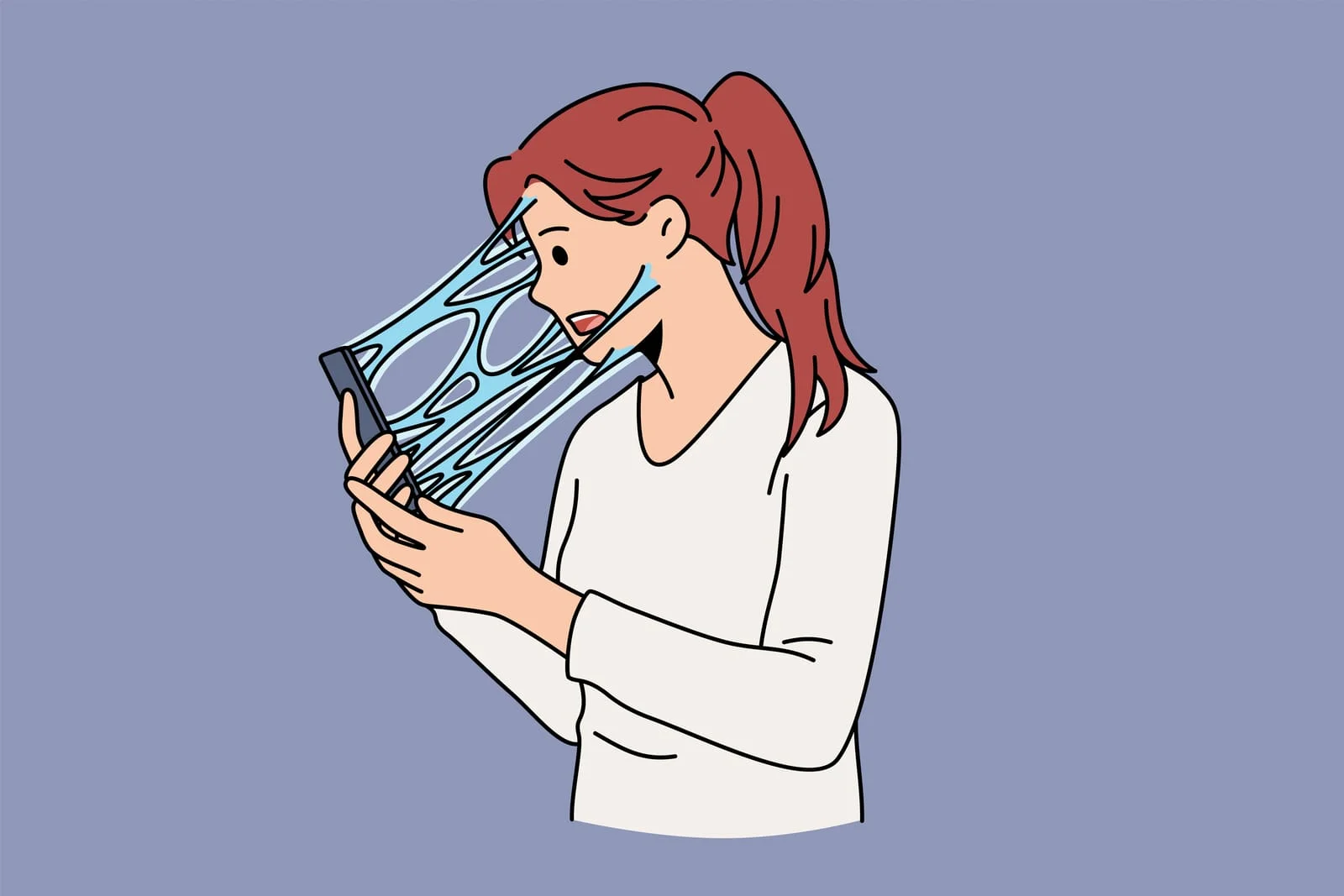
Behavioral addictions aren’t a sign of weakness or poor character. They’re real, neurologically grounded conditions – and ones that respond to treatment when someone gets the right kind of help. The bigger problem is that they so often go unnamed, and people spend years managing something that has an actual name and a real path forward.
The research is detailed: recovery happens. Therapy works. And for people who’ve already tried the conventional routes without lasting results, TMS offers something different – a way to work directly with the brain’s own circuitry, not just around it.
If any of the addictive behaviors described here feel familiar – whether for someone personally or someone they care about – the next step is simply reaching out. A personalized plan built around the right combination of therapy, support, and treatments like TMS can make a real difference. Schedule a consultation with the Life Quality TMS team today – by email at info@lifequalitytms.com or by phone at (718) 400-0867.
Frequently Asked Questions
1. Can someone be addicted to a behavior the same way they’re addicted to drugs?
Yes – the brain processes them through the same reward pathways. Dopamine release, tolerance, cravings – these all show up in behavioral addiction just as they do with substances. No chemical is needed to make something genuinely hard to quit.
2. How do I know if my behavior is a habit or an addiction?
Habits bend. Addiction doesn’t – or at least not easily. If stopping feels nearly impossible, if someone is hiding how much time or money they’re spending, or if the anxiety about not doing it is starting to drive decisions, that’s past-habit territory.
3. Can behavioral addictions develop in children and teenagers?
They can, and adolescents are arguably more vulnerable, given how their brains are still developing impulse regulation. Gaming and social media compulsion frequently appear among younger age groups. When parents start noticing addictive behaviors – pulling away, neglecting schoolwork, getting unusually distressed when a phone or console is taken away – a professional conversation is worth having.
4. Are some people more genetically predisposed to addiction behavior?
Genetics is a real factor, though they don’t write the whole story. A family history of addiction does raise the odds, partly because of how the dopamine system is wired. But the way environment, stress, and mental health interact with that predisposition means genetics alone rarely explain behaviors of addiction fully.
5. Is it possible to fully recover from a behavioral addiction?
People do recover – genuinely. It takes real support and usually some time, but it happens. For many, recovery isn’t about the urge disappearing forever. It’s about building enough skill and structure that the urge stops running the show.