
The short answer: a bad mood after waking up usually comes from disrupted sleep, unresolved stress, hormonal shifts, or poor habits – and it can be fixed. What actually works includes improving sleep consistency, building a calming morning routine, adjusting mindset patterns, and, for persistent cases, looking into professional treatment like TMS therapy.
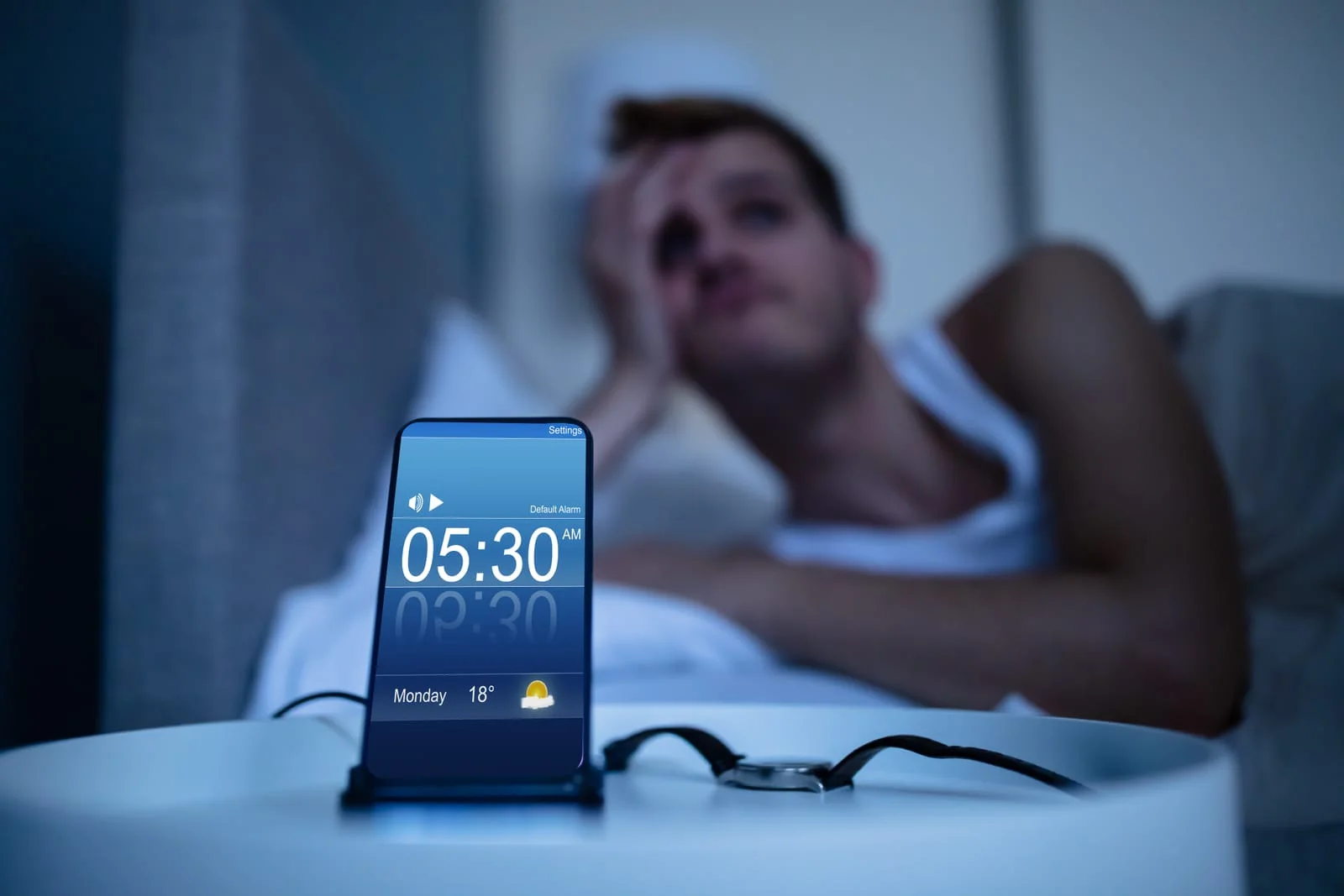
Most people assume mornings should feel at least neutral. So when the alarm goes off, and the first sensation is irritability or dread, it throws everything off. The easy explanation is “I’m just not a morning person” – but waking up in a bad mood every day is rarely that simple.
LifQuality TMS is a mental health and well-being provider offering evidence-based treatments – including TMS therapy – for people dealing with persistent mood disruption. If mornings feel like a daily battle, there may be more going on than a rough night’s sleep.
Possible Causes of a Bad Mood After Waking Up
A bad mood after waking up doesn’t appear randomly – it has identifiable triggers, both physical and psychological.
Common physical causes:
- Sleep inertia – that foggy, irritable state after waking mid-sleep cycle – can linger for up to an hour
- Cortisol spikes: In people with chronic stress, the morning cortisol surge feels more like a jolt of anxiety than a natural wake-up
- Dehydration: mild dehydration quietly chips away at emotional regulation, and most people wake up at least a little dehydrated
- Sleep disorders like sleep apnea, which disrupt oxygen levels overnight, without the person knowing
Psychological Factors Contributing to a Bad Mood
Stress from the day before doesn’t just disappear during sleep. Research published in Frontiers in Psychiatry found that negative evening emotions are tied to worse sleep quality, which feeds directly into how someone feels the next morning.
Dream content matters too. Distressing dreams, even ones that fade fast, can leave behind an emotional imprint that colors the first hour of the day in ways that are hard to trace.
How Waking Up in a Bad Mood Affects Your Day
Bad mood when waking up isn’t just a rough start – it tends to shape everything that follows.
Impact on Productivity and Motivation
A negative emotional state at the start of the day makes the prefrontal cortex – the brain’s planning and decision-making center – noticeably less effective. Tasks that would normally feel routine start to feel like too much. It’s not a lack of effort; it’s a system running on low resources.
A Michigan Medicine study tracking 2,100+ physicians found that irregular sleep schedules – even with the same total hours – produced worse moods and a higher depression risk. The lesson: consistency of sleep timing matters as much as duration.
Effects on Emotional Well-being
Consistent waking up in bad mood states raises emotional reactivity across the board. Small things – a slow commute, a clipped response from a colleague – land harder than they should. That’s not a personality flaw; it’s a nervous system working with a depleted buffer.
The social cost adds up. Morning irritability often bleeds into how people treat the people around them – family, coworkers – in ways they later regret.
Long-Term Mental Health Implications
Left unaddressed, persistent waking up in a bad mood can slide toward something more serious. Chronic morning irritability is a recognized early marker of depression, particularly “diurnal mood variation” – where mood is worst in the morning and gradually improves. That daily drain compounds in ways that become harder to reverse.

Strategies to Regain a Positive Mindset After Waking Up in a Bad Mood
Morning mood isn’t fixed. It responds to habit, routine, and a bit of intentionality – and the changes don’t need to be big to matter.
1. Creating a Calming Morning Routine
The first 20 minutes after waking set the emotional tone for the rest of the day. A good morning routine doesn’t need to be ambitious – it needs to be calm. Skip the phone first thing (notifications trigger the stress response before the brain is fully awake) and opt for something low-stimulation: stretching, silence, or a slow coffee without multitasking.
The specific activities matter less than the consistency. That routine tells the nervous system the day is starting on your terms.
2. Addressing Sleep Quality and Sleep Hygiene
The basics are genuinely effective when followed consistently:
- Wake up at the same time every day – including weekends; this anchors the body’s internal clock more than bedtime does
- Keep the bedroom cool (60–67°F / 15–19°C); warmth disrupts REM sleep, the stage most tied to emotional regulation
- Avoid alcohol in the evening – it fragments sleep architecture despite feeling sedating
- Cut screen time 60–90 minutes before bed to protect natural melatonin production
If these habits don’t move the needle, a sleep disorder evaluation is worth considering.
3. Mindset Shifts and Positive Affirmations
Affirmations work when they’re specific – not generic. Identifying one concrete thing that feels manageable about the day ahead, before the brain runs its usual stress loop, interrupts the cycle of waking up in a bad mood before it gains speed.
Brief journaling helps too. Three small things that aren’t bad right now – not forced positivity, just honest observations – can create enough of a mental shift to change the morning’s direction.
4. Nutrition and Hydration
Blood sugar swings are a quiet but significant driver of morning mood. A breakfast high in refined sugar causes a spike-and-crash that directly affects emotional stability. Protein and complex carbs keep blood glucose steady through the morning.
Hydration matters just as much. A full glass of water before coffee, before the phone, before anything else – a small habit that addresses the overnight dehydration that quietly compounds irritability.
| Factor | Effect on Morning Mood | Simple Fix |
| Irregular sleep schedule | Raises irritability and depression risk | Consistent wake time daily |
| Dehydration | Weakens emotional regulation | Water first thing upon waking |
| Blue light before bed | Disrupts sleep quality | Screens off 60–90 min before sleep |
| Skipping breakfast | Causes a blood sugar crash | Protein-rich morning meal |
| High morning cortisol | Triggers anxiety on waking | 5 minutes of slow breathing |
How TMS Therapy Can Help Improve Your Mood and Mental Health
When lifestyle adjustments stop being enough – when a bad mood when waking up persists despite better sleep and routines – it may point to a neurological pattern that needs more targeted care.
Introduction to TMS (Transcranial Magnetic Stimulation) Therapy
TMS therapy is a non-invasive, FDA-approved treatment using magnetic pulses to stimulate brain regions tied to mood regulation. No anesthesia, no systemic side effects, short sessions. The primary target is the left prefrontal cortex – the area most associated with depression and emotional processing.
TMS for Waking Up in a Bad Mood: Is It Effective?
TMS isn’t for a single rough morning – it’s for mood disorders that have become entrenched. For persistent morning irritability rooted in depression, anxiety, or treatment-resistant conditions, TMS addresses underlying neural dysregulation rather than surface symptoms.
What to Expect from TMS Therapy at LifQuality TMS
Treatment starts with a full evaluation to confirm TMS is the right fit. Sessions run 20–40 minutes over four to six weeks – patients stay awake, no recovery time needed, and most go straight back to their day. Results build gradually, with many people reporting sustained improvement that outlasts short-term medication relief.
Turning the First Hour Around
A bad mood after waking up is a signal – from the body, the brain, the nervous system – that something needs attention. Sometimes it’s as straightforward as a glass of water and a quieter first 20 minutes. Other times, it points to something deeper that lifestyle changes alone won’t reach.
For those whose morning mood challenges go beyond routine fixes, LifQuality TMS offers specialized, evidence-based care targeting the neurological roots of persistent mood disruption. Don’t let another morning set the wrong tone for your day.
Get In Touch With Us 📧 info@lifequalitytms.com 📞 (718) 400-0867
Frequently Asked Questions (FAQ)
Why do I wake up in a bad mood for no reason?
The brain processes emotions during sleep, and REM disruptions – even unremembered ones – can leave a negative residue by morning. For people carrying background stress, the cortisol spike on waking shows up as agitation rather than alertness.
What should I do when I wake up in a bad mood?
Address the physical basics first: drink water, stay off screens for 15–20 minutes, and do something low-demand. Mood often lifts once blood sugar stabilizes, and the body catches up to being awake. If it doesn’t lift regularly, that pattern is worth tracking.
Why do some mornings feel fine and others feel terrible, even when nothing has changed?
Sleep isn’t uniform. Some nights, the brain processes emotional material efficiently; others, it doesn’t. Dream content, sleep stage variation, and fluctuating anxiety levels all play a role – it’s genuinely less predictable than most people expect.
How do I manage waking up in a bad mood when I have to show up for work or family?
Build in a 10–15 minute buffer of quiet before engaging with anyone. Let the mood settle rather than pushing through it. Tracking consistent triggers – late nights, diet, stress – can help identify what’s actually driving it.
Is waking up irritable every day a sign of depression?
It can be, especially when the mood is worst in the morning and eases by afternoon. Sleep apnea, anxiety, and hormonal imbalances can produce similar patterns, though. If it’s frequent and affecting daily life, a professional evaluation is the right call.