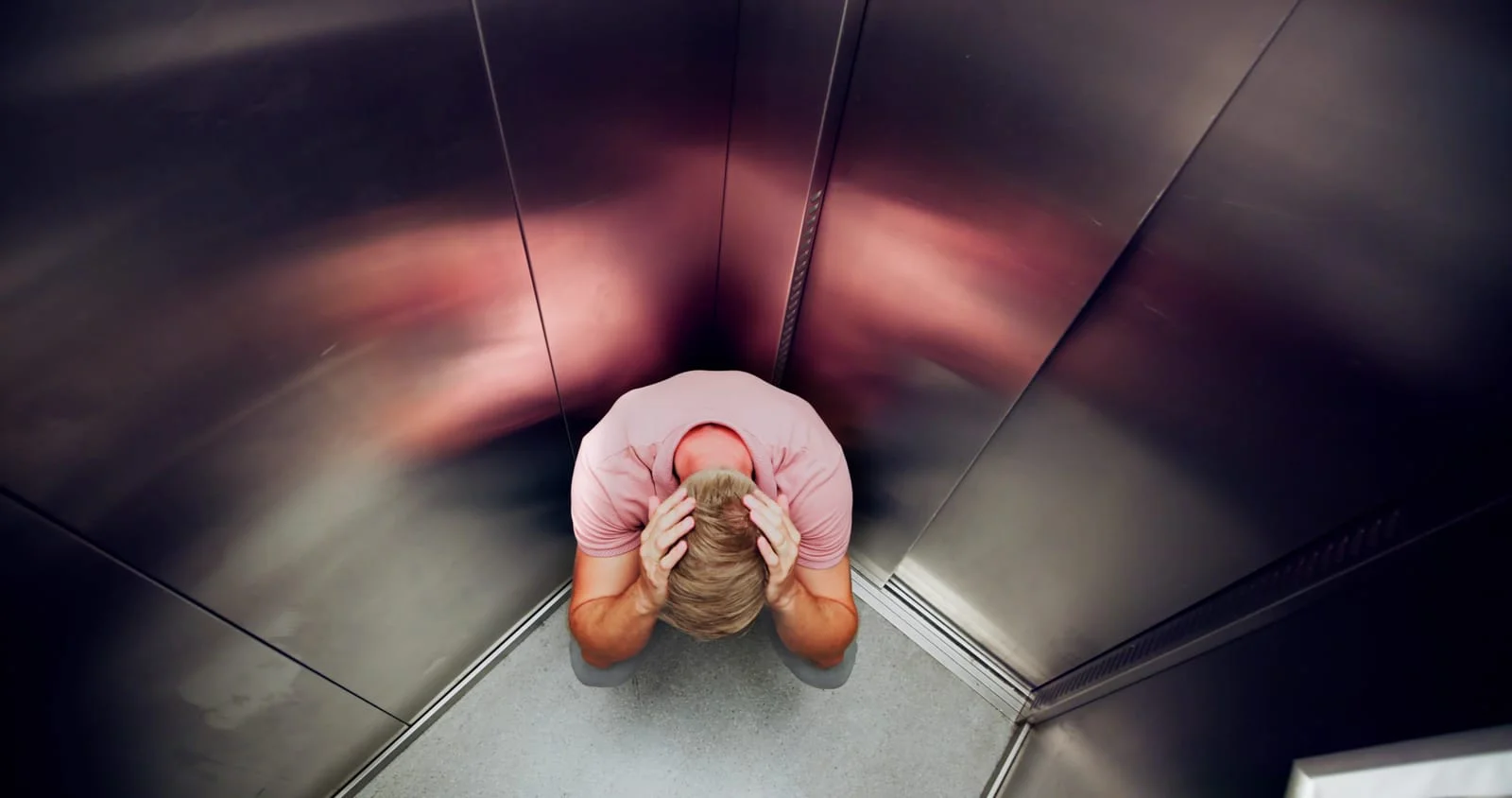
The treatment for claustrophobia is more accessible than most people realize – and more effective than simply “toughing it out.” For millions of people, a ride in an elevator, a crowded subway car, or even a small windowless office can trigger a wave of fear so intense it becomes physically overwhelming. Claustrophobia isn’t just discomfort.
It’s a real anxiety disorder, and when left unaddressed, it quietly reshapes how a person moves through the world – which routes they take, which appointments they skip, which opportunities they pass up. LifQuality TMS works with people facing exactly these challenges, offering evidence-based solutions for anxiety disorders and specific phobias like claustrophobia.
What Is Claustrophobia?
Claustrophobia is a specific phobia defined by an intense, persistent fear of enclosed or confined spaces. The fear isn’t really about the space itself – it’s about what the person believes might happen inside it. Losing control. Running out of air. Being unable to escape. According to the NIH’s StatPearls, claustrophobia affects roughly 4% of the population in severe form, with many more experiencing milder versions.
Common triggers include:
- Elevators and lift shafts
- MRI machines and medical scanning equipment
- Tunnels, subways, and underground spaces
- Crowded rooms, packed public transport, and dense queues
- Cars with windows closed or rooms without natural light
The physical symptoms – racing heartbeat, sweating, shortness of breath, dizziness – can be startling. What makes claustrophobia especially difficult is that the person often knows, rationally, that they’re not in danger. The body responds as though the threat is completely real anyway.
How Claustrophobia Affects Mental Health
Beyond the in-the-moment physical reaction, claustrophobia builds a quiet psychological weight over time. The avoidance behavior – mentally mapping every route to sidestep a trigger – becomes exhausting. People decline jobs, skip medical scans, and pull back from social situations to stay safe.
That avoidance also reinforces the fear. Each time someone escapes a trigger, the brain files it as confirmation that escape was necessary. The cycle tightens, the fear grows, and the person’s world quietly shrinks.
Natural Remedies for Claustrophobia
Natural remedies won’t replace professional claustrophobia treatments, but they can meaningfully reduce day-to-day symptoms and give people more tools when triggers appear.
Deep Breathing and Relaxation Techniques
Controlled breathing is one of the most immediate tools available. When claustrophobia fires a panic response, slow, deliberate breathing – inhaling for four counts, holding for two, exhaling for six – activates the parasympathetic nervous system and starts to pull the body back from the edge.
Progressive muscle relaxation, working through muscle groups from feet to shoulders, adds another layer. Neither technique is a cure, but practiced regularly, they lower the baseline anxiety that makes triggers feel so unmanageable.
Cognitive Behavioral Therapy (CBT) Self-Help Strategies
CBT is widely recognized as the most effective claustrophobia treatment, and many of its core tools can be used independently. The idea is simple: spot the fearful thought, check whether it holds up, replace it with something accurate. A person in an elevator thinking “I’ll run out of air” can remind themselves that elevators are ventilated – uncomfortable, but safe. That shift doesn’t erase discomfort, but it stops fear from snowballing.
Practical CBT self-help strategies include:
- Keeping a trigger journal to spot patterns and thought distortions
- Practicing gradual self-exposure, building from mildly uncomfortable situations upward
- Using thought records to challenge automatic fearful interpretations
- Setting small, specific goals for confronting avoided situations
Herbal Remedies and Supplements
Some supplements – passionflower, valerian root, magnesium, and lavender-based options like Silexan – have backing in the general anxiety research and may help reduce background tension. They won’t address the phobia’s root cause, but a calmer baseline makes triggers easier to manage. Always check with a healthcare provider before starting, especially alongside existing medication.
Mindfulness and Meditation
Mindfulness trains the brain to observe fear without automatically reacting to it. With regular practice, a person can notice the discomfort of a claustrophobic moment and choose their response rather than being swept into panic. Even ten minutes of daily meditation, kept up consistently, has shown real effects on generalized anxiety, and for claustrophobia, that reduced reactivity makes a noticeable difference over time.
LifQuality TMS and Its Role in Treating Claustrophobia
When natural remedies aren’t enough – or when claustrophobia is significantly disrupting daily life – professional treatment is the most reliable path forward. LifQuality TMS offers one of the more innovative approaches available for anxiety and phobia-related conditions.
What Is TMS (Transcranial Magnetic Stimulation)?
TMS is a non-invasive procedure that uses magnetic pulses to stimulate brain regions involved in mood regulation and fear processing. No anesthesia, no medication, no recovery time – a person can have a session and head straight back to their day.
Originally FDA-approved for major depressive disorder, TMS has since been studied broadly for anxiety. A 2019 systematic review published in Brain and Behavior found TMS demonstrated large treatment effects for both PTSD and generalized anxiety disorder – pointing to real promise for anxiety-driven conditions, including specific phobias.
How TMS Can Help Claustrophobia
Claustrophobia’s fear response is rooted partly in the brain’s threat-detection circuitry – the amygdala and its links to the prefrontal cortex. NIH research points to the right dorsolateral prefrontal cortex as a key regulator of emotional fear responses. TMS targets this area to help restore more balanced regulation.
For people whose anxiety has become deeply entrenched – where CBT and gradual exposure haven’t shifted things enough – TMS works at the neurological level, complementing behavioral therapy rather than replacing it. It’s a meaningful option in the treatment of claustrophobia that hasn’t responded to standard approaches.
What to Expect from TMS Treatment at LifQuality TMS
Sessions run 20 to 40 minutes, several times a week over a few weeks, in a comfortable outpatient setting. Most people tolerate it well – a light tapping sensation on the scalp is the most common description. Before starting, a clinician assesses the person’s anxiety profile, triggers, and history, then tailors the protocol accordingly. It’s never a one-size approach, and the plan adjusts as the person progresses.
Creating a Long-Term Strategy for Managing Claustrophobia
Recovery isn’t a single event. Lasting progress usually comes from several elements working together over time.
Ongoing Support and Therapy
Working with a therapist trained in CBT and exposure-based methods remains the most evidence-backed path through treatments for claustrophobia. A 2008 PubMed case study documented successful CBT treatment for a patient whose claustrophobia was severe enough to block cancer care, showing how structured therapy can reach even deeply entrenched fear. Regular sessions build skills, provide accountability, and create space to work through setbacks without losing ground.
Building Healthy Coping Mechanisms
Sustainable recovery means building habits that keep anxiety low between sessions – not just reacting when a crisis hits. A practical toolkit includes:
- Daily mindfulness or relaxation practice to keep baseline anxiety manageable
- Regular physical exercise, which measurably affects stress hormones
- A clear plan for navigating known triggers, including breathing and grounding strategies
- Social support – letting trusted people in reduces isolation and creates practical backup
The Role of Lifestyle Changes
Sleep quality, caffeine intake, and nutrition affect anxiety levels more than most people expect. Poor sleep sharpens the amygdala’s threat response; high caffeine mimics anxiety symptoms and lowers the threshold for panic. These aren’t the root of claustrophobia, but they shape the conditions in which treatment either lands or struggles.
| Treatment Approach | Best For | Professional Needed? | Timeframe |
| Deep breathing/relaxation | Immediate symptom relief | No | Immediate |
| CBT self-help strategies | Mild to moderate phobia | Optional | Weeks to months |
| Herbal supplements | Background anxiety support | Recommended | Ongoing |
| Formal CBT with a therapist | Moderate to severe phobia | Yes | 5–10 sessions |
| TMS therapy | Treatment-resistant anxiety | Yes | Several weeks |
| Medication | Severe or comorbid anxiety | Yes | As prescribed |
Taking the Next Step
The range of claustrophobia treatments – from breathing techniques and CBT self-help to professional therapy and TMS – means most people can find real relief, no matter how long they’ve been living with the fear. Avoidance isn’t a long-term answer, and it doesn’t have to be.
If claustrophobia is affecting daily life, relationships, or access to medical care, the team at LifQuality TMS is ready to help. They specialize in anxiety disorders and will work with each person to find the right approach – whether that’s TMS, a combined program, or something else entirely. Get in touch directly by email at info@lifequalitytms.com or by phone at (718) 400-0867 – the first conversation is the hardest part, and the team makes it straightforward.
Frequently Asked Questions (FAQ)
Can claustrophobia be permanently cured?
For many people, yes. With consistent treatment – especially CBT combined with gradual exposure – claustrophobia can be fully resolved or reduced to where it no longer disrupts daily life.
How long does it take to overcome claustrophobia with therapy?
CBT often produces significant improvement within five to ten sessions. More persistent cases take longer, but most people notice real change within a few months of consistent work.
Is medication necessary for treating claustrophobia?
Not always. It’s occasionally added to manage acute symptoms early on, but it’s rarely the main approach – most useful when anxiety is severe, or an unavoidable trigger needs to be faced before therapy has had time to work.
What should I do during a claustrophobic panic attack in public?
Breathe slowly and use a grounding technique – name five things you can see, four you can touch, three you can hear. Panic peaks and then passes, even without escape.
Can children develop claustrophobia, and how is it treated?
Yes, often after a frightening experience in a confined space. Treatment mirrors the adult approach – CBT and gradual exposure – adapted for age. Early intervention consistently leads to better outcomes.