Two people can feel deeply uncomfortable in their own bodies – and yet be experiencing something entirely different. One is caught in a relentless loop of checking, hiding, and fixating on a perceived flaw nobody else notices. The other feels a persistent, bone-deep mismatch between their body and who they know themselves to be. Both are in distress. But the root cause, the experience, and the treatment path each requires are not the same.
That distinction matters more than most people realize. When dysmorphia vs dysphoria gets confused – by the person living with it, or by the people around them – it often leads to the wrong support, or no support at all. This article breaks down what each condition actually involves, how to tell them apart, what drives them, and what genuinely helps.
What Dysmorphia and Dysphoria Actually Mean
Before getting into symptoms and treatment, it helps to understand what these two terms are actually describing – because they are not interchangeable, even though they both relate to the body.
Definitions and Core Differences
Body dysmorphia, clinically known as Body Dysmorphic Disorder (BDD), is a mental health condition in which a person becomes intensely preoccupied with one or more perceived physical flaws. These flaws are either minor or entirely unnoticeable to others, but to the person experiencing BDD, the concern feels overwhelming and real. The obsession can centre on anything – skin texture, the shape of a nose, body weight, symmetry – and it tends to consume significant time and mental energy each day.
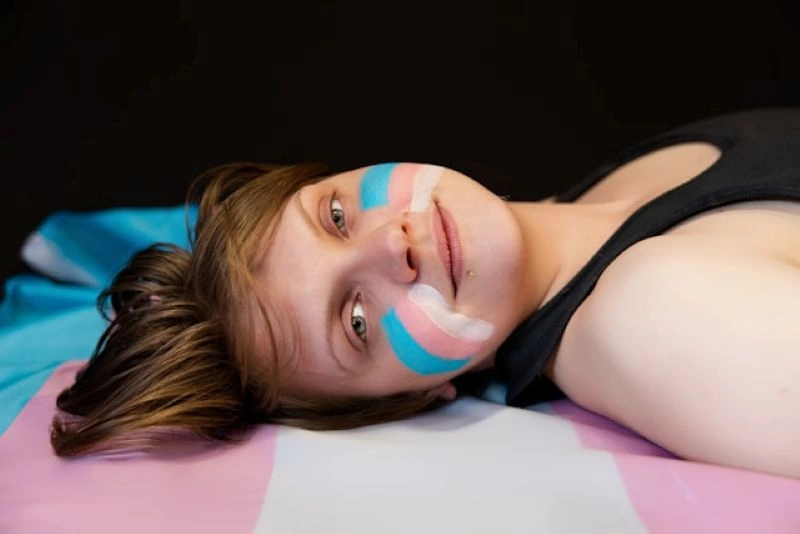
Dysphoria, in the context most commonly discussed, refers to gender dysphoria: the psychological distress that arises when a person’s gender identity does not align with the sex they were assigned at birth. Unlike BDD, this is not rooted in a distorted perception of appearance. The person’s understanding of their body is generally accurate – the distress comes from the body not matching who they are, not from seeing something that isn’t there.
The fundamental split in dysphoria vs dysmorphia comes down to this: one involves a distorted perception of appearance, the other involves an accurate perception paired with identity incongruence.
Feature | Body Dysmorphia (BDD) | Gender Dysphoria |
Core concern | Perceived physical flaw | Gender-body mismatch |
Perception of body | Distorted | Accurate |
DSM-5 classification | OCD-related disorder | Separate diagnostic category |
Primary treatment | CBT, SSRIs | Gender-affirming care, counselling |
Resolves with an appearance change | Rarely | Often, with appropriate support |
Why Getting This Right Matters
Misdiagnosis is not a rare edge case – it is a genuine clinical problem. Someone with gender dysphoria who gets treated for BDD may spend years in the wrong therapeutic model. Someone with BDD who is misread as having a gender identity issue may not receive the obsessive-compulsive focused treatment that actually works for them. Early, accurate identification changes outcomes significantly. Understanding what conditions TMS and specialist mental health care can treat is a useful starting point for anyone trying to find the right clinical path.
Signs, Symptoms, and What Drives Them
Understanding body dysmorphia vs dysphoria requires looking at how each condition actually shows up day to day – not just in clinical definitions.
Emotional Indicators
Both conditions carry emotional weight, but the texture of that distress differs. People with BDD tend to experience:
- Persistent shame or embarrassment about a specific body feature
- Anxiety that spikes before social situations where others might notice the “flaw.”
- Brief relief after checking or covering up, followed quickly by more anxiety
- Irritability when reassurance doesn’t hold
Gender dysphoria presents more often as:
- A deep, sustained sense of being out of place in one’s own body
- Sadness or grief that intensifies around physical changes like puberty markers or ageing
- Relief and comfort when presenting as one’s identified gender
- Distress that is less about being seen and more about internal alignment
Behavioral Patterns
Behavior is often where the differences become clearest. BDD tends to produce repetitive, compulsive behaviors that closely mirror OCD: mirror-checking (or complete mirror avoidance), excessive grooming, skin-picking, repeated requests for reassurance from others, and strategic concealment of the perceived flaw through clothing or positioning. Social withdrawal is common – not because of identity concerns, but because the fear of being noticed or judged becomes paralyzing.
Gender dysphoria tends to produce different behavioral responses: dressing or presenting to align with one’s gender identity, avoiding situations that force confrontation with unwanted physical traits (like locker rooms or certain clothing), and seeking out gender-affirming environments and communities.
Cognitive and Physical Effects
On the cognitive side, BDD frequently involves intrusive, obsessive thoughts that are hard to redirect. Concentration drops because a significant portion of mental bandwidth is occupied by appearance-related rumination. Sleep can deteriorate, appetite changes, and the person may struggle to engage meaningfully at work or in relationships. These compounding effects on mood and daily functioning are a large part of why depression treatment is often needed alongside primary BDD care.

Gender dysphoria, while also cognitively taxing, tends to produce distress that is more identity-anchored. The mental load comes from navigating a world that may not affirm one’s gender, managing disclosure decisions, and processing the gap between inner experience and outer reality.
Causes and Risk Factors
Neither condition has a single cause. For BDD, research points to a combination of genetic predisposition, neurobiological differences in how the brain processes visual information, and environmental triggers such as bullying, trauma, or prolonged exposure to appearance-focused media. A 2025 review published in the International Journal of Dermatology specifically highlighted how social media exposure has intensified BDD presentations – particularly among adults who spend significant time on image-focused platforms, where distorted beauty standards are constantly reinforced.
Co-occurring anxiety, depression, and OCD are common in BDD. In adults specifically, life transitions – career pressure, relationship changes, physical changes associated with ageing – can trigger or worsen symptoms.
How Dysmorphia vs Dysphoria Differs in Adults Specifically
Adults bring context that younger people don’t always have. A 35-year-old has decades of lived experience with their body, which can both deepen the distress and complicate treatment. For body dysphoria vs body dysmorphia in adult populations, here are the key differences worth understanding:
- Onset and recognition. BDD most often starts in adolescence but goes undiagnosed for years – sometimes decades. By the time an adult seeks help, the thought patterns are deeply ingrained and harder to shift. Gender dysphoria in adults may involve recognizing or accepting an identity that was suppressed earlier in life, particularly when earlier environments weren’t safe for that exploration.
- Concealment patterns. Adults with BDD tend to develop sophisticated strategies for hiding their preoccupation – strategic clothing choices, rehearsed social behaviors, avoidance of certain lighting or angles. This makes the disorder harder to detect from the outside. Adults experiencing gender dysphoria, by contrast, may conceal their identity rather than their appearance, managing disclosure decisions across work, family, and social settings simultaneously.
- Relationship with cosmetic procedures. A notable adult-specific pattern with BDD is a history of sought-after cosmetic interventions. Clinical evidence consistently shows these don’t resolve BDD and often intensify it – because the problem is rooted in perception, not appearance. Adults with gender dysphoria may also seek physical changes, but with a fundamentally different motivation: alignment rather than flaw correction.
- Life-stage pressures. In adulthood, both conditions interact with responsibilities that younger people typically don’t carry – careers, partnerships, parenting, and financial commitments. For BDD, workplace performance and relationship stability can deteriorate significantly. This overlap with mood disorder symptoms is something clinicians increasingly recognize in adult presentations. For gender dysphoria, adults may weigh transition decisions against existing life structures in ways that add a distinct layer of complexity.
- Treatment readiness. Adults often arrive at treatment after years of managing symptoms alone, which can mean more entrenched avoidance behaviors or more settled identity clarity – depending on the condition. Both respond to treatment, but the starting point and pace tend to differ from younger presentations.
Evidence-Based Treatment Options
Knowing the difference between body dysphoria vs dysmorphia directly shapes what kind of help actually works.
Therapy Approaches
For BDD, Cognitive Behavioral Therapy (CBT) is the most well-supported psychological treatment. A 2025 naturalistic follow-up study published in Internet Interventions (PubMed) tracked adults with a primary BDD diagnosis who completed a 12-week course of CBT and found that treatment gains were sustained at both three and twelve months post-treatment – reinforcing that structured CBT produces durable improvements in symptom severity, not just short-term relief.

The treatment targets distorted thinking patterns and reduces compulsive checking and avoidance behaviors through structured exposure work – a model closely related to the evidence-based OCD therapy techniques used for obsessive-compulsive presentations more broadly.
For gender dysphoria, gender-affirming therapy is the recommended approach. This involves supportive counselling that validates the person’s identity, helps them explore options for social or medical transition, and addresses the broader psychological impact of living with misalignment between identity and body.
A 2025 systematic review published in the International Journal of Transgender Health examined prospective mental health outcomes in transgender and gender diverse adults following affirmative interventions, finding that hormone and psychological treatments may carry meaningful mental health benefits – though the authors noted that further research is needed, particularly around minority stressors and intersectional factors. Therapists trained in this area understand that the goal is not to change how someone identifies but to support their wellbeing.
Medication
Medication is not the first-line response for either condition on its own, but it plays an important supporting role. For BDD, SSRIs (selective serotonin reuptake inhibitors) – the same class used for OCD – have shown clinical benefit in reducing the intensity of obsessive thoughts.
You can read more about how SSRIs and other medications support OCD and anxiety treatment and what to expect from a medication-based plan. For gender dysphoria, hormone therapy may be pursued as part of medical transition, and when depression or anxiety are present alongside either condition, medication can help stabilize mood enough to engage meaningfully in therapy.
Combined and Individualized Plans
The most effective treatment plans for adults tend to involve more than one element. A solid plan might include:
- Regular CBT sessions targeting specific thoughts and behavior patterns
- Medication to manage comorbid anxiety or depression
- Lifestyle support – sleep, exercise, and social connection all affect symptom severity
- Ongoing specialist monitoring, especially for BDD, where relapse risk is real
For adults whose symptoms haven’t responded adequately to medication and therapy alone, non-drug treatment approaches such as TMS (Transcranial Magnetic Stimulation) may offer an additional avenue worth discussing with a specialist.
Taking Control of Body-Related Distress Before It Takes Control
The difference between body dysmorphia vs dysphoria is not just academic – it determines what kind of help actually works. Both conditions cause real suffering, and both are treatable when approached correctly. Recognizing the pattern early, seeking a proper assessment, and working with a specialist rather than guessing can make a significant difference to quality of life and long-term outcomes.

If any of the patterns described here feel familiar, speaking with a qualified mental health professional is the right first step. Treatment plans built around an accurate diagnosis tend to work far better than generalized approaches. The right kind of support exists – and finding it starts with understanding what is actually going on.
Frequently Asked Questions
Can someone have both body dysmorphia and gender dysphoria at the same time?
Yes. A person can experience both conditions simultaneously – one rooted in distorted appearance perception, the other in gender-identity mismatch. Each requires its own treatment approach, which is why a thorough clinical assessment matters before any plan is made.
Is gender dysphoria the same as body dysmorphia about gender?
No – and this is one of the most common misconceptions. Gender dysphoria involves an accurate perception of one’s body, with distress coming from the mismatch with gender identity. BDD involves a distorted perception where the person sees flaws that others don’t. They are fundamentally different experiences that call for different treatment.
Can body dysmorphia be fixed with cosmetic surgery?
No. Clinical evidence consistently shows cosmetic procedures don’t resolve BDD and often intensify it – the fixation typically shifts to another feature or returns to the same one. Psychological treatment addresses the root cause; surgery doesn’t.
At what age does body dysmorphia or gender dysphoria typically appear in adults?
BDD most often begins in adolescence but goes undiagnosed until adulthood, with symptoms sometimes carried for a decade or more before treatment is sought. Gender dysphoria can surface or be acknowledged at any age – many adults recognize or feel safe exploring their identity only later in life.
How do I know if what I’m experiencing is dysmorphia or dysphoria?
Ask what the distress is actually about. If it centers on a specific perceived physical flaw, with compulsive checking or hiding, BDD is more likely. If it centers on a persistent identity mismatch – a sense that your body doesn’t reflect who you are – gender dysphoria may be more relevant. A trained mental health professional is best placed to make that distinction clearly.