Confusion often surrounds the terms TMS and rTMS when people research brain stimulation therapies for depression and other mental health conditions. Are they different treatments, or simply different names for the same thing?
Understanding the distinction matters when making informed decisions about mental health care. This article provides a comprehensive comparison of TMS vs RTMS, exploring how each treatment works, its effectiveness for various conditions, and how individuals can decide which therapy is most appropriate for their mental health needs.
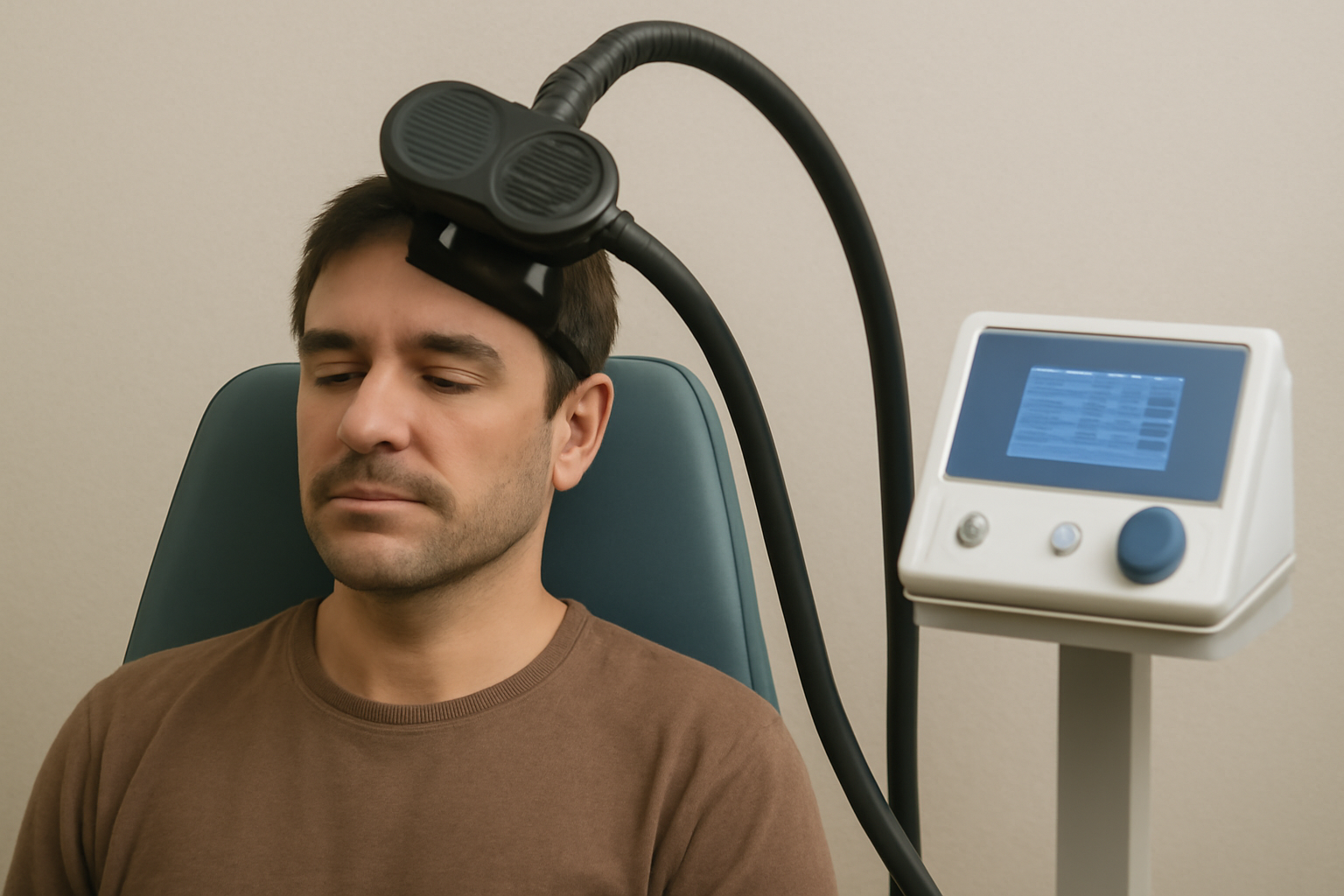
Both TMS (Transcranial Magnetic Stimulation) and rTMS (repetitive Transcranial Magnetic Stimulation) work by using magnetic pulses to stimulate specific areas of the brain involved in mood regulation and cognitive function. The devices position electromagnetic coils against the scalp, generating magnetic fields that pass through the skull to reach targeted brain regions.
Key Differences Between TMS and rTMS
The terminology can confuse patients, but understanding the actual difference between tMS and rTMS helps clarify what each treatment involves.
Frequency and Duration of Pulses
The primary distinction when comparing RTMs vs TMS lies in pulse delivery patterns. Single-pulse TMS delivers individual magnetic pulses with pauses between them, originally used primarily for diagnostic purposes or research applications. Repetitive TMS (rTMS) delivers rapid trains of pulses in succession without long pauses. This repetitive pulsing creates more sustained effects on neural activity, making it more effective for therapeutic purposes.
Modern therapeutic brain stimulation almost exclusively uses repetitive protocols, which is why many clinicians use “TMS” and “rTMS” interchangeably when discussing treatment. The “r” for repetitive has become standard in therapeutic applications, though some practitioners still distinguish between protocols using different repetition rates and patterns.
Treatment Protocols and Session Length
Session structure represents another difference between RTMs and TMS protocols. Standard rTMS sessions typically last 20-40 minutes, during which the device delivers thousands of pulses in patterned sequences. Treatment courses generally involve daily sessions five days per week for 4-6 weeks, totaling 20-30 sessions.
Within rTMS itself, protocols vary by frequency—high-frequency (10Hz or higher) versus low-frequency (1Hz or lower) stimulation. These different frequencies target brain activity in distinct ways, with high-frequency typically increasing neural activity and low-frequency reducing it. Clinicians select protocols based on which brain regions they’re targeting and what effects they want to achieve.
Clinical Applications: TMS vs rTMS
When examining clinical uses, the comparison of RTMs vs TMS becomes less about two separate treatments and more about different applications of magnetic brain stimulation. Single-pulse TMS remains valuable for neurological assessments, measuring nerve conduction, and mapping brain function before surgery. However, therapeutic mental health treatment relies almost exclusively on repetitive protocols.
rTMS has FDA approval for treating major depressive disorder, obsessive-compulsive disorder, and certain types of migraines. Practitioners also use it off-label for anxiety disorders, PTSD, addiction, and other conditions. The repetitive nature allows sustained influence on neural circuits that single pulses couldn’t achieve.

Effectiveness: rTMS vs TMS
Comparing treatment outcomes helps clarify which approach delivers better results for various conditions.
Success Rates for Depression
Depression treatment represents the most extensively studied application when evaluating RTMs vs TMS effectiveness. Research consistently shows that rTMS produces significant improvement in 50-60% of patients with treatment-resistant depression, with 30-40% achieving complete remission. These outcomes surpass the typical response rates for additional medication trials in treatment-resistant cases.
Single-pulse TMS lacks sufficient evidence supporting its use for depression treatment, as the therapeutic effects require sustained repetitive stimulation. This explains why modern depression treatment centers exclusively use rTMS protocols rather than single-pulse approaches.
Comparative Benefits for Anxiety and OCD
For anxiety and obsessive-compulsive disorder, rTMS shows promising results in clinical trials. Studies demonstrate 40-50% of OCD patients experience meaningful symptom reduction with rTMS targeting specific brain circuits involved in obsessive thoughts and compulsive behaviors. Anxiety disorders show similar response rates, particularly when anxiety co-occurs with depression.
The difference between tms and rtms becomes particularly apparent in these applications—the repetitive stimulation needed to influence complex behavioral and thought patterns requires sustained pulse trains that only rTMS provides. Single-pulse protocols don’t generate sufficient neural changes to affect these conditions meaningfully.
How the Frequency of Pulses Affects Results
Within rTMS protocols, pulse frequency significantly impacts outcomes. High-frequency rTMS (typically 10-20Hz) increases activity in targeted brain regions, making it effective for conditions involving underactive areas like the left prefrontal cortex in depression. Low-frequency rTMS (1Hz) decreases activity, useful for overactive regions.
Some newer protocols, like theta-burst stimulation, deliver pulses in specific patterns mimicking natural brain rhythms. These approaches may provide comparable or superior results in shorter treatment times, representing the evolving sophistication of rTMS applications.
Side Effects of TMS and rTMS
Understanding potential adverse effects helps patients make informed decisions when comparing treatment options.
Common Side Effects for TMS
Both single-pulse and repetitive protocols can produce similar immediate side effects during or shortly after treatment. The most common complaints include:
- Scalp discomfort or pain at the stimulation site
- Headaches during or after treatment
- Tingling or twitching of facial muscles
- Lightheadedness
- Temporary hearing changes if ear protection isn’t used
These effects typically remain mild and resolve quickly, rarely requiring treatment discontinuation.
Side Effects of rTMS Therapy
When examining RTMs vs TMS specifically regarding side effects, rTMS’s repetitive nature might slightly increase the likelihood of experiencing scalp discomfort or headaches compared to single pulses. However, these effects still remain manageable for most patients and tend to decrease as treatment progresses and patients acclimate to the sensation.
The most serious potential risk—seizures—remains extremely rare, occurring in less than 0.1% of patients. Modern protocols and careful screening have made rTMS remarkably safe compared to many psychiatric medications or other brain stimulation approaches like electroconvulsive therapy.
Which Therapy Has Fewer Side Effects?
In practice, the TMS vs RTMS comparison regarding side effects becomes somewhat moot because therapeutic applications almost always use repetitive protocols. The relevant comparison becomes rTMS versus alternative treatments like medications.
In this comparison, rTMS demonstrates a clearly superior side effect profile, avoiding the systemic effects, weight changes, sexual dysfunction, and cognitive impacts common with many psychiatric medications.
Which Treatment Is Right for You?
Making informed decisions requires understanding your specific situation and treatment goals.
Choosing Between TMS and rTMS
For patients considering brain stimulation therapy for mental health conditions, the choice isn’t really between single-pulse TMS and rTMS—treatment centers use rTMS protocols for therapeutic purposes.
The more relevant decisions involve choosing between different rTMS protocols (high-frequency versus low-frequency, standard versus accelerated treatment schedules, traditional versus theta-burst patterns) and whether brain stimulation therapy is appropriate compared to other treatment options.
Consult with a psychiatrist experienced in brain stimulation who can evaluate your specific condition, treatment history, and individual factors. They’ll recommend the most appropriate protocol based on your diagnosis, symptom patterns, previous treatment responses, and practical considerations like scheduling availability.
Considering the Treatment Plan and Duration
When evaluating treatment options, consider the time commitment involved. Standard rTMS requires 4-6 weeks of daily sessions, which might pose challenges for work schedules or other obligations. Accelerated protocols condense treatment into 1-2 weeks with multiple daily sessions, offering faster relief but requiring more intensive time commitment during that shorter period.
Insurance coverage also influences decisions. Most insurance plans cover FDA-approved rTMS for treatment-resistant depression, but coverage for other conditions varies. Understanding your financial responsibility helps make practical treatment decisions. Cost comparisons should consider not just the treatment price but also the value of successful treatment in terms of improved functioning, reduced suffering, and avoided costs from continued illness.
Understanding Your Options
The comparison of RTMs vs tms ultimately reveals that these terms largely describe the same therapeutic approach, with rTMS representing the repetitive protocol that modern treatment relies upon. The difference between RTMs and TMS matters less than understanding how these treatments work and their effectiveness for conditions like depression, anxiety, and OCD.
Both approaches use magnetic stimulation to influence brain activity, but repetitive protocols deliver the sustained neural changes needed for therapeutic benefits. When choosing treatment, the importance of considering individual needs, preferences, and medical history when evaluating brain stimulation options cannot be overstated.
Work with experienced providers who can guide you toward the most appropriate protocol for your specific situation, ensuring the best possible outcomes from this innovative therapeutic approach.