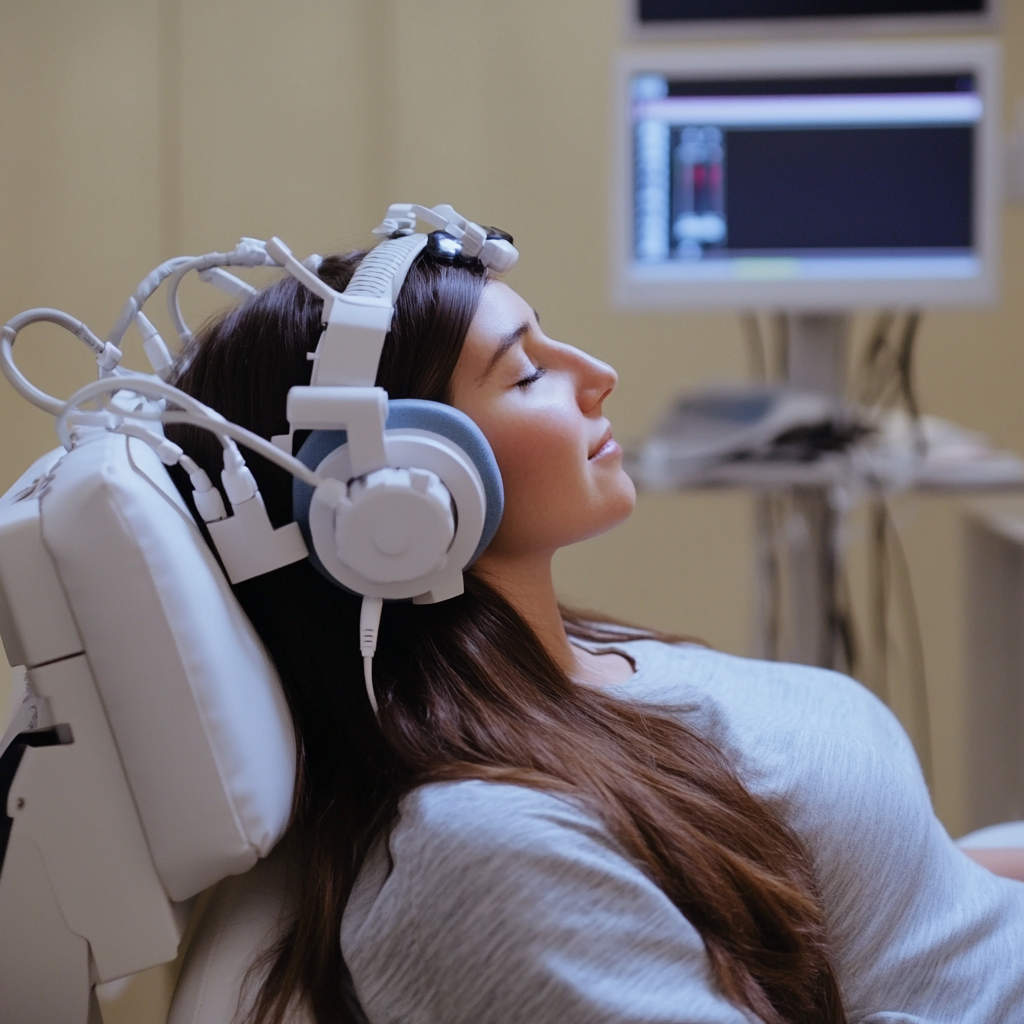
This article will provide information on TMS treatment for OCD, how the procedure works, what to expect, whether it is a good fit for OCD, and what else to consider when making an informed treatment choice.
Obsessive-Compulsive Disorder (OCD)
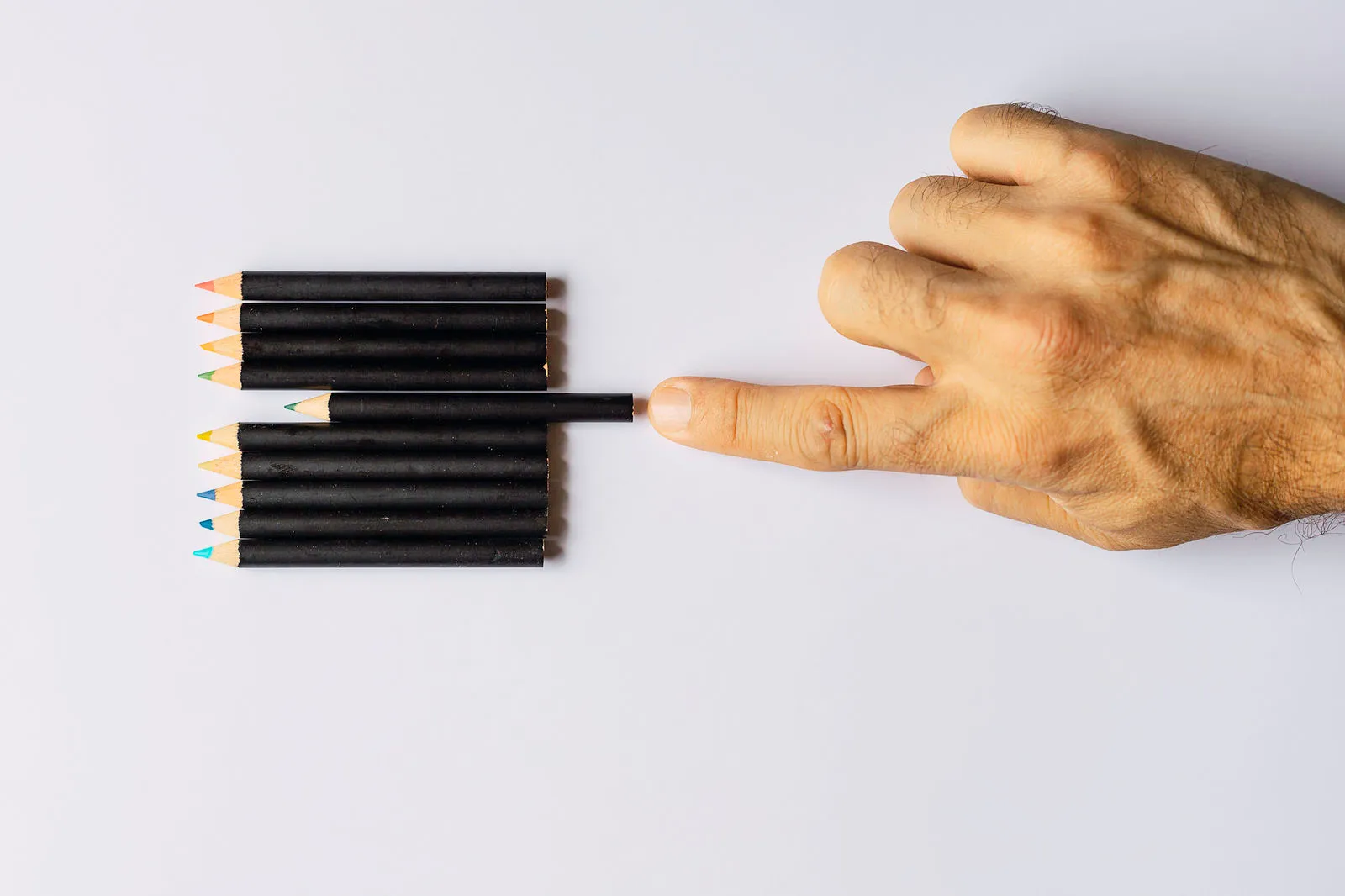
Obsessive-compulsive disorder is a mental health disorder that can be characterized by intrusive, unwanted thoughts or obsessions and uncontrollable, disruptive actions and behaviors, or compulsions.
For individuals with obsessive-compulsive disorder, the symptoms can range from mild or moderate to severe. The more severe symptoms can disrupt daily function, making it difficult for people to maintain relationships or get through everyday tasks.
It can be challenging to find effective treatment for OCD. Medications don’t always work for individual cases, and therapy to change behavioral patterns may not be adequate enough. However, one increasingly popular option is transcranial magnetic stimulation (TSM).
Does TMS work for OCD? Yes. TMS treatment for OCD was introduced in 1985 when a small compact machine provided non-invasive stimulation to the cerebral cortex area of the brain. For nearly two decades, that same science has been improved upon in order to target specific cerebral regions of the brain and provide therapeutic options for several mental health disorders, including obsessive-compulsive disorder.
How does TMS work in treating OCD?
Transcranial magnetic stimulation is an FDA-approved treatment for obsessive-compulsive disorder. Data collected from 22 clinical sites treating hundreds of patients found that the primary outcome was a minimum of a 30% reduction in OCD symptoms.
Controlled studies have observed that even a single session of TMS therapy for OCD can significantly decrease compulsive urges for at least 8 hours. Other findings indicate improvement in mood.
The longer an individual uses TMS for OCD treatment, the more effective the results. One finding corroborates this fact with evidence that local stimulation on different brain networks over more extended periods of time can provide brain mapping for individual clients, which increases the effectiveness of TMS treatment for OCD symptoms.
Studies found that TMS from a professional setting was vastly superior in reducing OCD symptoms. Benefits can be heightened when clients submit to complete treatment, which is between 20 and 40 sessions.

What to expect from TMS for OCD?
If you are considering TMS for OCD, it is essential to manage expectations.
Before the treatment
Before you start TMS therapy for OCD, you’ll likely undergo a consultation with the facility you are considering, as well as your primary healthcare provider. In some cases, you can receive treatment that is covered at least in part by your insurance, but you usually need an official diagnosis from your primary care physician.
The initial evaluation and consultation will determine whether TMS is a good treatment option given any other conditions you might have and medications you might be using.
You’ll be prepared for your first session if you decide to pursue TMS therapy for OCD, with information about things like:
- When to show up
- Where to meet
- What to wear
- What to bring
- How long it should take
- What side effects you might experience
Because you are fully awake for the entire process and there isn’t any type of anesthesia used, you don’t need anyone else to drive you. You’ll be fully conscious and in a safe enough state to take yourself home after.
During the Treatment
When you arrive for your treatment, you’ll be taken to a room where it’ll be placed in a comfortable chair. Electrodes will be applied to either side of your forehead. These will contain a saline mixture to help improve conductivity, but they don’t hurt, nor are they sticky or uncomfortable.
During your treatment session, it’s common to read a book, listen to music, or participate in some other form of entertainment while the process is taking place. Those who are administering the magnetic pulses will control the intensity and the location to ensure there is minimal discomfort.
You’ll have a medical team there with you the entire time, so you’ll be able to ask any questions or talk to them during the session about what’s going on.
Most people describe the sensation of the pulses as a slight tingling or pressure on their scalp, but nothing particularly uncomfortable. Most sessions last 20 to 30 minutes, so you’ll be able to fit several sessions into your weekly schedule.
After the Treatment
Immediately after the treatment, you’ll be able to go home. There will be minimal effects, although some people experience side effects like headaches, mild dizziness, or tingling on their scalp. Most side effects go away after the first few sessions, so you won’t notice them after a few weeks of TMS therapy for OCD.
You’ll arrange for your follow-up sessions before you leave and be provided with any information about maintenance treatments, especially after you’ve completed an entire treatment session of several weeks.
The effects of TMS are not permanent, but for many people, they can last several months or years. It’s important to understand that when symptoms of OCD return, you can still get a recommendation for continuing recovery information. You can also combine this form of treatment with other therapy like psychotherapy or holistic care.

Potential side effects and risks
As mentioned, following your sessions, there are some potential side effects, although they are minimal, and almost all of the side effects experienced tend to go away after a few sessions.
Headaches
Headaches are the most common. Many people experience mild headaches after their first or second session, but taking something like a Tylenol or Ibuprofen before a treatment session can actually help circumvent this issue entirely.
Dizziness
Some people experience dizziness after, but this goes away within a few hours, and it’s not so severe that it will interfere with daily function. It’s also something that tends to go away with regular sessions.
Tingling
Tingling is also common, usually on the scalp where the magnetic pulses are used. This can be a slightly disconcerting feeling, although it’s not necessarily painful or anything significantly disruptive.
Summing Up
Does TMS work for OCD? Yes, even after one session, you can experience short-term relief from symptoms, but participating in a full-length TMS treatment for OCD can significantly reduce symptoms in mild to severe cases of OCD.
If you are considering TMS for OCD, you should seek professional guidance and explore treatment options that might be right for you.