Severe anxiety disorder can feel overwhelming, affecting every aspect of daily life, from work performance to personal relationships. For people who haven’t found relief through traditional treatments, transcranial magnetic stimulation offers a promising alternative.
This article provides a comprehensive guide to TMS therapy for anxiety disorders, exploring how this innovative treatment works, what benefits it offers, and whether it might be the right choice for managing your anxiety symptoms.
The Benefits of TMS in Treating Anxiety Disorders
Effectiveness in Treating Severe Anxiety
Research exploring TMS treatment for severe anxiety disorder shows encouraging results. While TMS received FDA approval initially for depression, studies demonstrate its potential for anxiety conditions as well. The treatment works by stimulating specific brain regions involved in emotional regulation and fear responses.
Clinical trials examining TMS therapy for anxiety disorders report that 40-60% of patients experience significant symptom reduction. The benefits of TMS in treating anxiety disorders include improvements in worry levels, physical anxiety symptoms, and overall quality of life. Many patients who previously felt trapped by their anxiety report meaningful relief after completing treatment.
Non-Invasive and Drug-Free Treatment
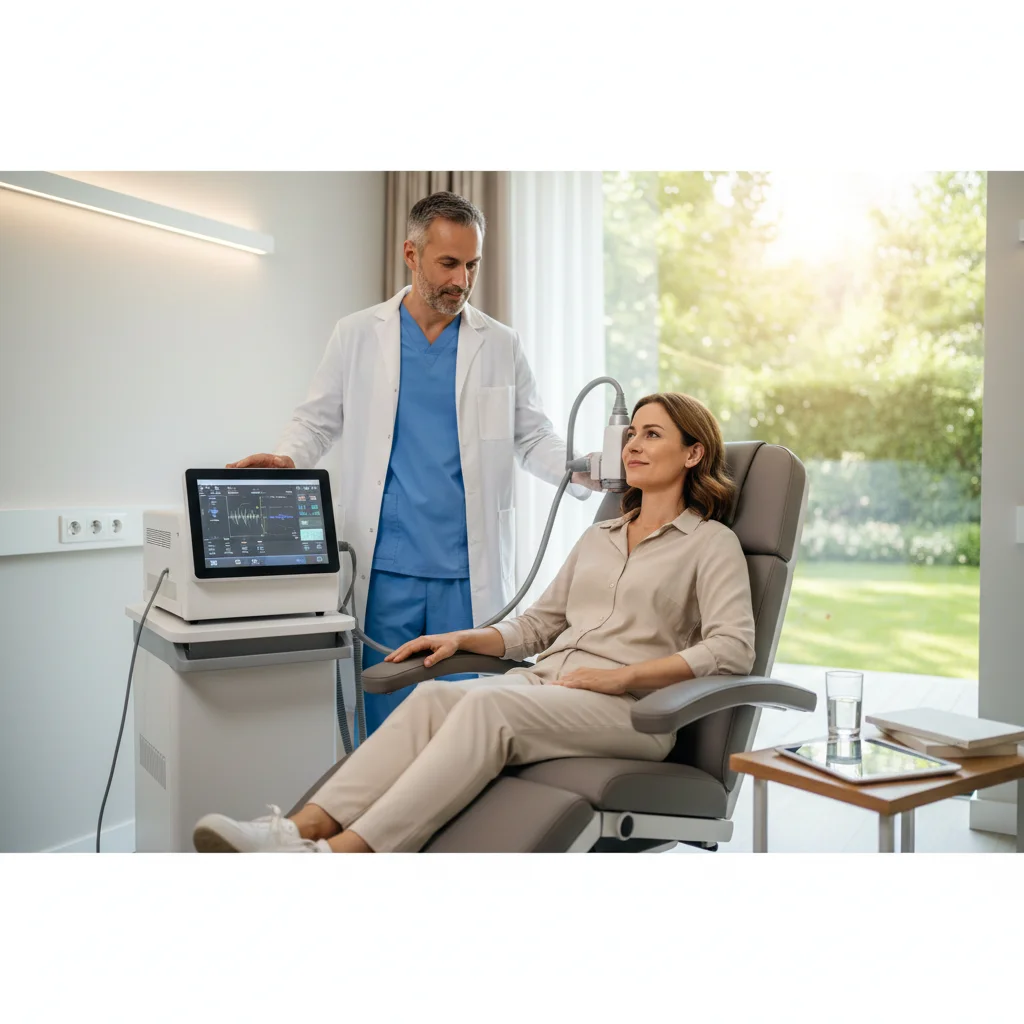
One major advantage of TMS treatment for severe anxiety disorder is its non-invasive nature. Unlike surgery or implanted devices, TMS requires no incisions or anesthesia. The treatment involves placing a magnetic coil against your scalp, delivering focused stimulation to targeted brain areas. You remain fully conscious throughout each session and can resume normal activities immediately afterward.
For people concerned about medication side effects, TMS therapy for anxiety disorders offers a drug-free alternative. Many anxiety medications cause unwanted effects like weight gain, sexual dysfunction, drowsiness, or dependency issues. TMS treatment avoids these systemic effects because the stimulation affects only specific brain regions rather than your entire body.
Long-Term Effectiveness and Sustainability
The benefits of TMS in treating anxiety disorders often extend well beyond the treatment period. Many patients maintain improvements for six months to a year or longer after completing their initial course. This durability makes TMS treatment an attractive option compared to medications that require continuous daily dosing.
Some patients do experience symptom return over time and may benefit from maintenance sessions. However, these are typically less frequent than the intensive initial treatment schedule. The potential for sustained relief represents a significant benefit for people tired of managing daily medications or attending weekly therapy sessions indefinitely.

TMS Therapy for Anxiety Disorder: What to Expect During Treatment
The TMS Procedure
A standard course of TMS treatment for severe anxiety disorder involves daily sessions Monday through Friday for 4-6 weeks. Each session lasts approximately 20-40 minutes. During your first appointment, the technician will measure your head and determine the optimal coil placement for targeting the relevant brain areas.
The treatment itself is straightforward. You’ll sit in a reclining chair while the magnetic coil is positioned against your head. The device delivers rapid magnetic pulses that stimulate neurons in the prefrontal cortex and other regions involved in anxiety regulation. The stimulation parameters are carefully calibrated based on your individual needs.
Sensations and Side Effects
During TMS therapy for anxiety disorders, you’ll hear clicking sounds from the machine and feel tapping sensations on your scalp. Some people find these sensations mildly uncomfortable initially, but most adjust within the first few sessions. The treatment doesn’t hurt, though it may feel strange at first.
Common side effects of TMS treatment for severe anxiety disorder include:
- Scalp tenderness or discomfort at the treatment site
- Mild headaches that typically resolve within hours
- Facial twitching during the actual stimulation
- Temporary lightheadedness immediately after sessions
These effects are generally mild and diminish as treatment progresses. Serious side effects are rare, with seizure risk estimated at less than 0.1% of patients.
What Happens After a TMS Session?
After each session of TMS therapy for anxiety disorder, you can immediately return to your regular activities. There’s no recovery period or downtime needed. Most people drive themselves to and from appointments without difficulty. You can work, exercise, and engage in all normal activities on treatment days.
Improvements in anxiety symptoms typically emerge gradually rather than immediately. Some people notice positive changes after 2-3 weeks, while others require the full treatment course before experiencing significant relief. The benefits of TMS in treating anxiety disorders accumulate over time as the brain develops new patterns of activity.
Is TMS Therapy Right for You?
Assessing Your Candidacy for TMS Treatment
TMS treatment for severe anxiety disorder isn’t appropriate for everyone. Ideal candidates typically have tried at least one or two traditional treatments without adequate success. You might be a good candidate if medications cause intolerable side effects or if you prefer non-pharmacological approaches.
Certain medical conditions may preclude TMS treatment. People with metal implants in or near the head (except dental fillings), those with a history of seizures, or individuals with some medical devices cannot safely receive treatment. Your provider will conduct a thorough screening to ensure TMS therapy for anxiety disorders is safe for you.
Combining TMS with Other Treatments
TMS treatment often works best alongside other interventions rather than as a standalone approach. Many patients continue therapy during their TMS course, which can enhance overall outcomes. Cognitive behavioral therapy helps you develop coping skills while TMS addresses underlying brain dysfunction.
Some people remain on medications during TMS treatment for severe anxiety disorder, gradually tapering if symptoms improve sufficiently. This combined approach may reduce the risk of symptom return and provide multiple avenues for managing anxiety.
TMS vs. Other Anxiety Treatments
TMS vs. Medication for Anxiety
Comparing TMS treatment to medications reveals distinct pros and cons. Medications work throughout your body and may cause systemic side effects affecting weight, sleep, sexual function, or energy levels. They require daily adherence and often take weeks to show benefits.
The benefits of TMS in treating anxiety disorders include more targeted effects with fewer systemic side effects. However, TMS requires a significant time commitment for daily sessions over several weeks, whereas medications simply require taking a pill. Cost also differs, as TMS typically involves higher upfront expenses, though it may reduce long-term medication costs.
TMS vs. Cognitive Behavioral Therapy
CBT remains a gold-standard treatment for anxiety disorders, teaching practical skills for managing anxious thoughts and behaviors. TMS therapy for anxiety disorder works differently by directly altering brain activity patterns. CBT requires active participation and homework between sessions, while TMS is more passive.
Many experts believe combining these approaches yields optimal results. TMS treatment for severe anxiety disorder may make the brain more receptive to learning new patterns, potentially enhancing CBT effectiveness.
TMS vs. Exposure Therapy for Anxiety
Exposure therapy helps people face feared situations gradually, building tolerance and reducing avoidance behaviors. This approach is particularly effective for phobias and social anxiety. TMS treatment for severe anxiety disorder addresses anxiety at the neurological level rather than through behavioral practice.
Again, these treatments aren’t mutually exclusive. Some people benefit from TMS therapy for anxiety disorders to reduce baseline anxiety levels, making it easier to engage in exposure exercises that previously felt too overwhelming.

How to Get Started with TMS for Anxiety
Finding a TMS Provider
If you’re considering TMS treatment for severe anxiety disorder, start by researching certified providers in your area. Look for clinics with experienced staff and proper credentials. Many psychiatric practices now offer TMS alongside traditional services, or you can find specialized TMS centers.
Check whether your insurance covers TMS therapy for anxiety disorders, as policies vary. While TMS has FDA approval for depression, coverage for anxiety treatment may require prior authorization or documentation of treatment resistance.
Initial Consultation and Evaluation
Your first appointment involves a comprehensive evaluation to determine if TMS treatment for severe anxiety disorder suits your needs. The provider will review your psychiatric history, current symptoms, previous treatments tried, and overall health status. Be prepared to discuss medications you’ve taken, therapy you’ve completed, and how anxiety affects your daily life.
The evaluation also includes screening for contraindications to ensure safety. Your provider will explain what to expect during treatment, discuss realistic outcome expectations, and answer your questions. This consultation helps you make an informed decision about whether to proceed with TMS therapy for anxiety disorders.
Moving Forward with Confidence
If severe anxiety has been controlling your life despite trying various treatments, TMS therapy for anxiety disorders deserves consideration. Consulting with a healthcare provider or TMS specialist can help you determine whether this innovative approach fits your situation and treatment goals.
The benefits of TMS in treating anxiety disorders continue to be documented through ongoing research and clinical experience. While not everyone responds to treatment, many people achieve meaningful symptom reduction that improves their quality of life substantially. With the right treatment plan tailored to your individual needs, anxiety symptoms can be managed effectively, allowing you to regain control and engage more fully in work, relationships, and activities you value. Take that first step by scheduling a consultation to explore your options.