
Living with depression that refuses to respond to medication creates profound frustration and hopelessness. You’ve tried multiple antidepressants, adjusted dosages, and combined therapies, yet symptoms persist. This situation affects millions struggling with treatment-resistant depression, wondering if effective help exists.
The answer increasingly points to Transcranial Magnetic Stimulation (TMS), a non-invasive therapy revolutionizing depression treatment. This article explores the potential of TMS for treatment-resistant depression, answering whether it can provide relief when medications fail.
Treatment-resistant depression (TRD) is a major depressive disorder that doesn’t respond to at least two different antidepressants at proper doses for sufficient durations. This affects approximately 30% of people with depression, significantly impairing work, relationships, and daily functioning while creating an urgent need for alternative approaches.
The Challenge of Treatment-Resistant Depression and Why TMS Is Gaining Attention
Understanding why traditional treatments fail helps appreciate why TMS represents such a significant advancement in depression care.
Why Traditional Medications Often Fail for Treatment-Resistant Depression
Antidepressants alter brain chemistry, primarily affecting neurotransmitters like serotonin and norepinephrine. However, depression involves more than chemical imbalances—brain structure changes, inflammation, genetic factors, and neural pathway disruptions all contribute. When medications targeting neurotransmitters alone don’t work, patients need treatments addressing underlying neural changes.
Individual brain chemistry varies tremendously.
What works for one person might prove ineffective for another. Some metabolize medications rapidly, while others experience intolerable side effects. These variations explain why finding effective medication often takes years, while depression damages quality of life.
The Role of TMS for Treatment-Resistant Depression
TMS for treatment-resistant depression takes a fundamentally different approach. Instead of altering brain chemistry through pills, TMS uses magnetic pulses to directly stimulate brain regions involved in mood regulation, specifically the dorsolateral prefrontal cortex. By stimulating this area, which shows decreased activity in depression, TMS helps restore normal neural functioning.
This targeted stimulation promotes neuroplasticity—the brain’s ability to form new neural connections. Over multiple sessions, TMS encourages lasting changes in brain activity patterns that medication alone couldn’t achieve, addressing neural circuitry problems underlying depression rather than just chemical imbalances.
How Effective is TMS for Treatment-Resistant Depression?
Evidence supporting TMS continues growing as more research examines its effectiveness for patients who haven’t responded to traditional treatments.
Research and Studies Supporting TMS Effectiveness
Clinical studies demonstrate TMS effectiveness for treatment-resistant depression. Research shows approximately 50-60% of TRD patients experience significant symptom improvement, with about one-third achieving complete remission. Long-term follow-up indicates improvements often persist for a year or longer, surpassing typical medication response rates for treatment-resistant depression.
Comparing TMS to Other Treatments for TRD
Unlike electroconvulsive therapy (ECT), which requires anesthesia and can cause memory problems, TMS is non-invasive with minimal side effects. Patients remain awake, can drive themselves home, and return immediately to normal activities. Compared to medication trials, TMS offers faster results—typical courses last 4-6 weeks with improvements often visible within 2-3 weeks. Side effects remain localized (mild scalp discomfort or headaches) rather than affecting the entire body.
Real-World Outcomes for TRD Patients
Patients report better energy, improved concentration, increased interest in activities, and enhanced functioning at work and in relationships. Many describe TMS as giving them their lives back after years of ineffective treatments. Treatment-resistant depression, TMS works even for patients who’ve failed multiple medication trials, positioning it as valuable when other approaches have been exhausted.
Accelerated TMS Treatment for Anxious or Treatment-Resistant Depression
Recent advances in TMS protocols offer even faster relief for those suffering from treatment-resistant depression.
What is Accelerated TMS Treatment?
Traditional TMS involves one daily session, five days per week, for 4-6 weeks. Accelerated TMS treatment for anxious or treatment-resistant depression condenses this by providing multiple sessions per day over just 1-2 weeks, typically 3-10 sessions daily with breaks between them. This rapid treatment particularly benefits patients in crisis or those unable to take an extended time off work.
Benefits of Accelerated TMS for Treatment-Resistant Depression
Speed represents the most obvious advantage—achieving relief in days rather than weeks. This rapid response can be lifesaving for individuals with severe TRD. The compressed timeline reduces treatment burden, requiring just 1-2 weeks of clinic visits. Research shows comparable or superior effectiveness to traditional schedules, with some studies suggesting the intensive stimulation promotes faster neuroplastic changes.
Top TMS Solutions for Treatment-Resistant Depression in 2025
The field continues advancing with new technologies and approaches, improving outcomes.
New Innovations in TMS Technology
The top TMS solutions for treatment-resistant depression 2025 incorporate technological advances like neuronavigation systems that use brain imaging to precisely target stimulation, and theta-burst stimulation delivering pulses in patterns that enhance neuroplastic effects while shortening session times.
Personalized protocols adjust parameters based on individual characteristics and treatment response, optimizing outcomes.
The Future of TMS Therapy for Depression Treatment
Ongoing research explores combining TMS with psychotherapy, medication, or lifestyle interventions for synergistic benefits. Researchers investigate using TMS for treatment-resistant depression subtypes, tailoring approaches based on whether patients have anxious depression or specific brain activity patterns, promising further improved success rates.

How to Get Started with TMS Therapy for Treatment-Resistant Depression
Understanding the process helps patients know what to expect when considering TMS as a treatment option.
The First Steps: Consultation and Evaluation
Starting TMS begins with evaluation by a psychiatrist experienced in TMS therapy, reviewing depression history, previous treatments, current symptoms, and overall health. The doctor determines whether you meet the criteria for treatment-resistant depression and if TMS is appropriate.
Evaluation screens for contraindications such as metal implants in the head/neck, cochlear implants, pacemakers, seizure history, certain neurological conditions, or pregnancy. Most TRD patients qualify, but thorough screening ensures safety.
What to Expect During TMS Treatment
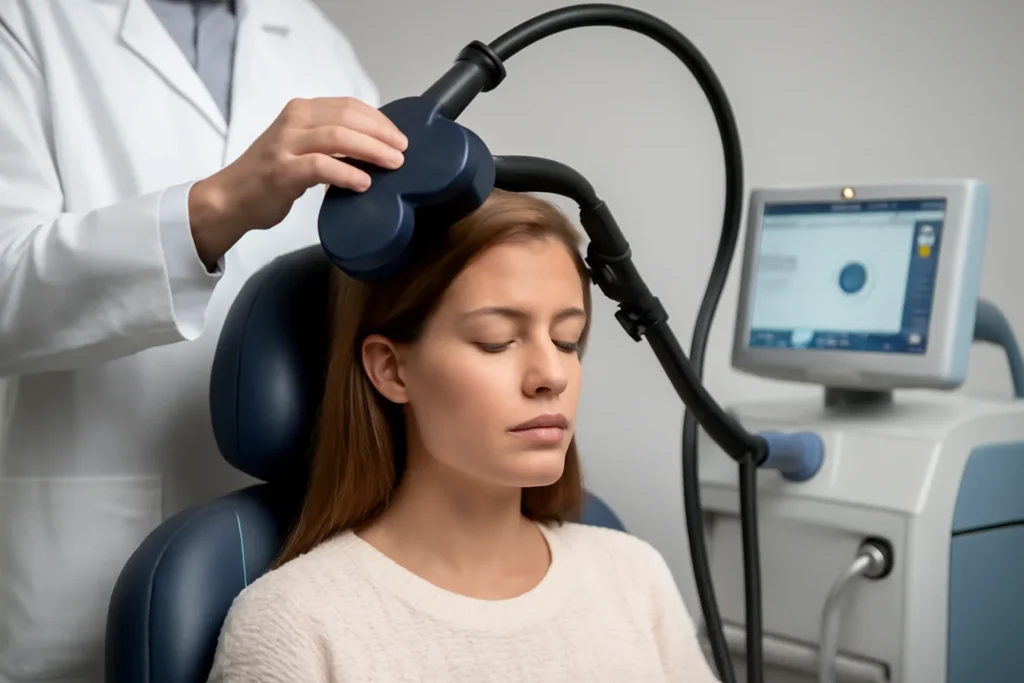
Sessions occur in comfortable outpatient settings. You sit in a reclining chair while the technician positions the TMS coil against your scalp. The device delivers magnetic pulses that feel like gentle tapping. Sessions last 20-40 minutes, depending on protocol.
You remain awake and can read, listen to music, or relax. Afterward, you immediately return to normal activities. This convenience makes TMSs for treatment-resistant depression appealing for busy individuals.
Insurance and Costs of TMS Therapy
TMS for treatment-resistant depression gained FDA approval in 2008, and most insurance plans now cover it when patients meet TRD criteria—typically requiring documentation of at least two failed antidepressant trials. Prior authorization involves your psychiatrist submitting treatment history records. O
ut-of-pocket costs depend on your plan, deductibles, and copayments. Many clinics employ insurance specialists who navigate coverage and handle authorization. For those without coverage, some clinics offer payment plans.
Hope for Treatment-Resistant Depression
TMS therapy has shown remarkable promise in treating treatment-resistant depression, especially for individuals who haven’t found relief from medications or traditional treatments. Growing research, improved protocols, and technological advances continue enhancing TMS effectiveness and accessibility.
For millions struggling with medication-resistant depression, TMS offers genuine hope—not just temporary symptom management but actual improvement in brain function. The potential benefits for improving quality of life and reducing depressive symptoms make it worth serious consideration for anyone whose depression hasn’t responded to conventional treatments. If you’ve exhausted medication options, TMS for treatment-resistant depression might provide the breakthrough you’ve been seeking.