TMS for Depression: A Breakthrough Treatment for Lasting Relief
Transcranial Magnetic Stimulation (TMS for depression) is a non-invasive procedure that uses targeted magnetic pulses to stimulate areas of the brain that are underactive in individuals suffering from depression. The magnetic pulses are similar to those used in MRI machines, but instead of capturing images, they help to enhance neurotransmitter activity in the brain, which is often disrupted in those with depression.
TMS is FDA-approved and clinically proven to provide significant relief from depression, even in cases where other treatments, such as medication or therapy, have not been effective.
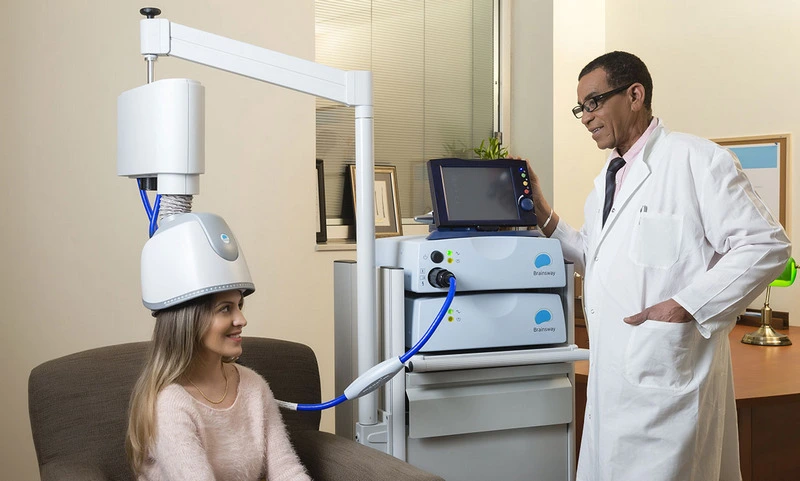
During the TMS for depression procedure, the patient wears a padded helmet. It activates the magnetic pulses. The patient is awake and alert the entire time.
TMS treatment for depression usually takes 6-19 minutes. It is administered 5 days a week for approximately 4-6 weeks for the best results.
Why Choose TMS Therapy for Depression?
TMS therapy offers many advantages over traditional treatments for depression, especially for individuals who have not responded well to medications. Here are some of the key benefits of TMS to treat depression:
- Non-invasive: No need for surgery or injections.
- Minimal side effects: TMS is generally well-tolerated, with only mild discomfort for some patients.
- Short treatment times: Each session typically lasts between 6-19 minutes.
- No downtime: Patients can resume normal activities immediately after treatment.
- Highly effective: Studies show TMS provides substantial relief in 70-80% of patients, with many experiencing complete remission.
What to Expect During TMS Therapy for Depression
Before Treatment
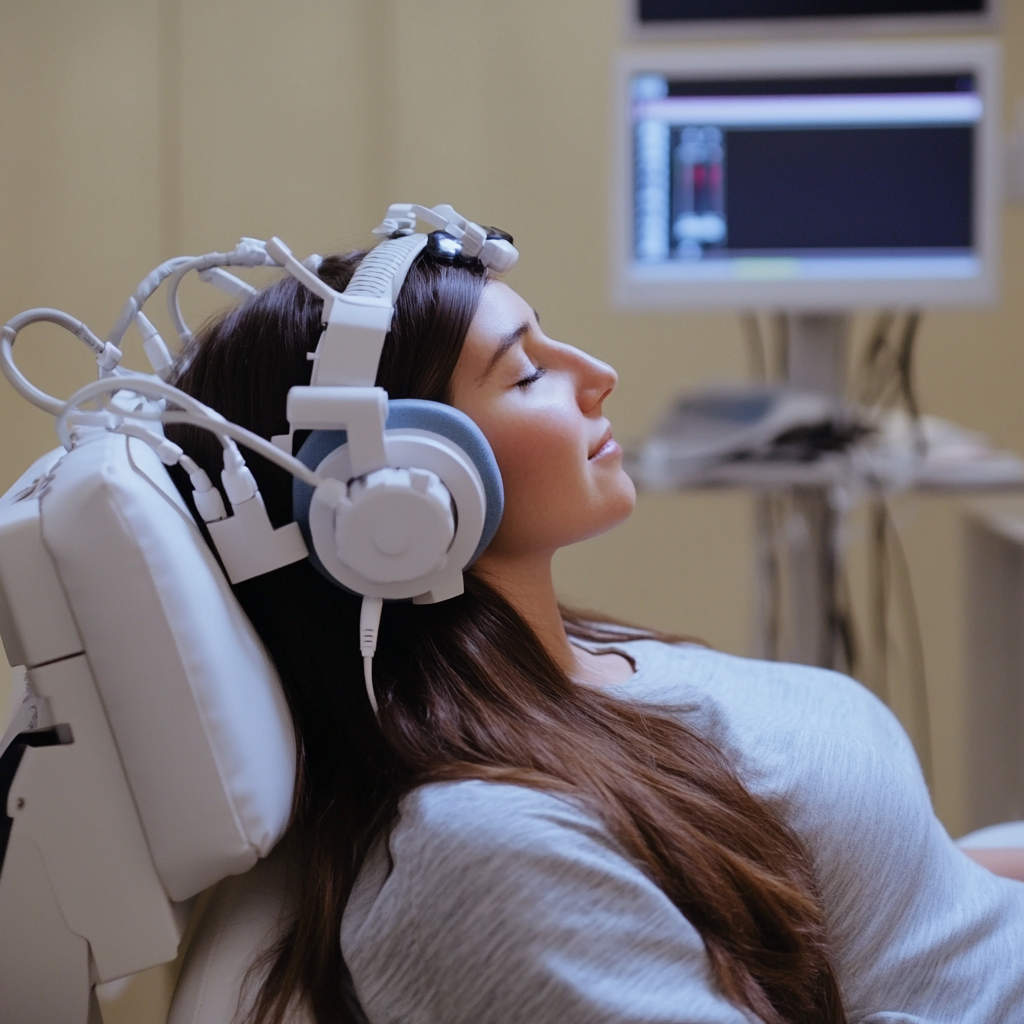
- When you arrive for your TMS session, you’ll recline in a comfortable chair. A padded helmet with TMS coils will be placed lightly on your head. You’ll be fully awake and alert during the procedure.
During Treatment
- The TMS machine will send short, focused magnetic pulses to the areas of your brain that regulate mood. You may hear short clicking sounds and feel a tapping sensation on your forehead, similar to the light tapping of a woodpecker. The treatment lasts between 6 and 19 minutes.
After Treatment
- After your TMS session, there is no downtime. Once your session is complete, you can resume your normal activities immediately. Transcranial magnetic stimulation for depression has no impact on your alertness. You can even drive yourself to and from appointments.
Frequently Asked Questions About TMS for Depression
How Long Does a TMS Session Take?
Each TMS session lasts between 6-19 minutes. It depends on the type of treatment being provided. The sessions are quick, and you can return to your regular activities right after.
Is TMS for Depression Covered by Insurance?
Many insurance plans cover TMS for depression. Our team will work with you to verify your insurance benefits and ensure that you understand any out-of-pocket costs.
Who is a Good Candidate for TMS Treatment for Depression?
TMS is often recommended for individuals with major depressive disorder who have not found relief from traditional treatments like antidepressant medications or therapy. It is a great option for those looking for a non-invasive, drug-free solution to treat depression.
Are There Any Side Effects?
TMS is generally well-tolerated, but some individuals may experience mild discomfort such as scalp soreness or headaches. These effects are temporary and often improve after the first few sessions.
How Many Sessions Are Needed?
Typically, TMS therapy for depression is administered 5 days a week for 4-6 weeks. After the initial course of treatment, maintenance sessions may be recommended.
Does TMS Hurt?
Most patients find that TMS is not painful. Also, the intensity of the pulses can be adjusted to ensure your comfort during each session.
Is TMS for Depression Safe?
Yes, TMS has been FDA-approved for the treatment of depression since 2008 and has been extensively studied. Over 15 years and millions of treatments, TMS has proven to be safe and well-tolerated with few reported side effects. It is non-invasive, meaning there is no need for surgery or anesthesia, and you remain awake and alert during the procedure.
How Soon Will I Feel the Benefits of TMS for Depression?
Most patients begin to feel a positive change in their mood by the 2nd or 3rd week of treatment. For others, it may take 4-5 weeks to experience the full benefits. Studies show that TMS can provide substantial relief in 70-80% of cases, with over half of patients experiencing complete remission from their symptoms.
Get Started with TMS for Depression Today
If you’re ready to take the next step toward feeling better, schedule a free consultation with our team. We’re here to help you explore how TMS for depression can provide relief and improve your quality of life.
Get In Touch With Us
info@lifequalitytms.com
(718) 400-0867
(718) 4000-TMS
26 Court St., Ste 808
Brooklyn, NY 11201