Complex post-traumatic stress disorder develops from prolonged or repeated trauma, leaving lasting impacts on the brain and nervous system that often resist conventional treatment approaches. While therapy and medication help some people, many continue struggling with symptoms that interfere with daily functioning and quality of life.
This article explains how TMS for complex PTSD works as an emerging brain-based treatment, exploring why it shows promise for patients whose trauma runs deep and examining what makes this approach different from traditional methods.
Understanding Complex PTSD and Brain-Based Treatment
Complex PTSD differs from standard PTSD in significant ways. While regular PTSD typically stems from a single traumatic event like an accident or assault, C-PTSD develops from prolonged exposure to trauma, often during childhood or in situations where escape wasn’t possible. This might include ongoing abuse, neglect, domestic violence, or captivity.
The prolonged nature of trauma in C-PTSD changes brain structure and function more extensively than single-incident trauma. People with complex PTSD struggle not just with flashbacks and hypervigilance, but also with emotional regulation, relationship difficulties, negative self-perception, and a fragmented sense of identity. These symptoms reflect deeper alterations in brain circuits responsible for emotion processing, memory, and self-awareness.
Why Traditional Treatments Don’t Always Work for Complex PTSD
Limits of Talk Therapy Alone
Trauma-focused therapies like cognitive processing therapy and EMDR help many people with PTSD. However, TMS for complex PTSD addresses a gap these approaches sometimes miss. Talk therapy requires the ability to access, process, and verbalize traumatic memories. For people with severe dissociation, emotional numbness, or overwhelm when approaching trauma material, traditional therapy can feel impossible or retraumatizing.
Complex trauma often occurs before language development fully matures, particularly in childhood abuse cases. These preverbal traumas may not be accessible through talk therapy techniques that rely on narrative processing. The brain changes from prolonged trauma can also make it difficult to engage in the reflective thinking that therapy requires.
Medication Challenges in C-PTSD
Psychiatric medications treat symptoms like anxiety, depression, and sleep problems associated with complex PTSD, but they don’t address the underlying trauma or rewire affected brain circuits. Many people with C-PTSD find that medications provide only partial relief or cause side effects that create new problems.
Additionally, complex trauma survivors often have histories of substance use or concerns about dependency, making them hesitant to rely on medications long-term. Others have tried multiple medications without finding adequate relief, leading to treatment fatigue and hopelessness about recovery possibilities.

What Is TMS and How Does It Work?
Overview of Transcranial Magnetic Stimulation
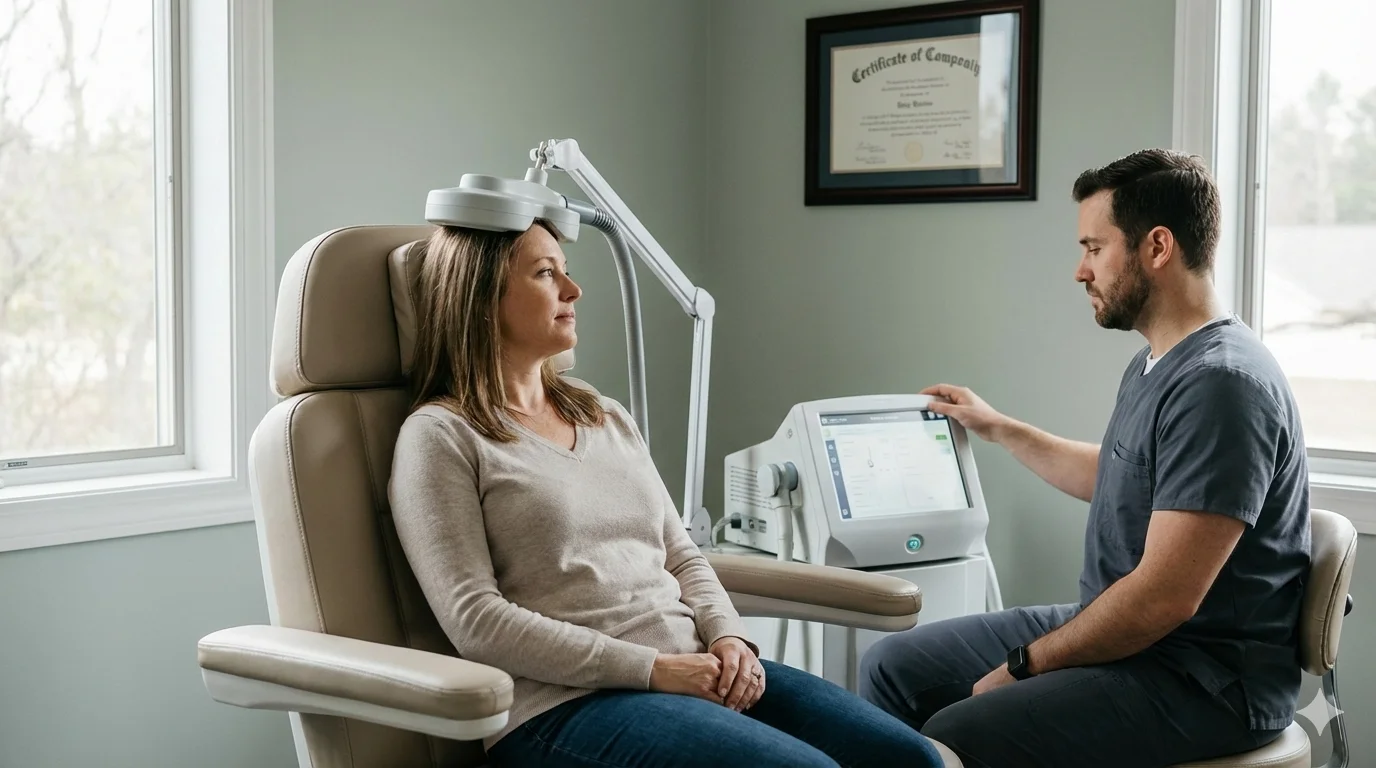
TMS uses electromagnetic coils placed against the scalp to deliver magnetic pulses that stimulate specific brain regions. The magnetic field passes painlessly through the skull, inducing small electrical currents in targeted neurons. This stimulation can increase or decrease activity in specific brain areas depending on the frequency and pattern of pulses used.
Originally FDA-approved for treatment-resistant depression, TMS therapy for CPTSD represents an expanding application of this technology. The treatment is non-invasive, requires no anesthesia, and produces minimal side effects compared to medications. Sessions typically last 20-40 minutes, during which patients remain fully awake and alert.
How TMS Affects Trauma-Related Brain Circuits
Research shows that TMS for complex PTSD can modify activity in brain regions particularly affected by trauma. The prefrontal cortex, which regulates emotions and executive functions, often shows reduced activity in people with C-PTSD. The amygdala, which processes fear and threat, tends to be overactive. The hippocampus, involved in memory processing, may be smaller or function differently after prolonged trauma.
TMS can help rebalance these systems. By stimulating the prefrontal cortex, treatment may strengthen top-down regulation of emotional responses. This enhanced control can reduce hypervigilance, improve emotional stability, and decrease reactivity to trauma triggers. The magnetic stimulation also appears to promote neuroplasticity, helping the brain form new connections and patterns.
TMS for Complex PTSD: Why It Shows Promise
How TMS Targets the Root of C-PTSD
Unlike treatments that address symptoms indirectly, TMS therapy for complex post-traumatic stress disorder works at the neurological level where trauma has altered brain function. The treatment doesn’t require patients to revisit traumatic memories during sessions, which can be particularly valuable for people who become overwhelmed or dissociative when approaching trauma material in therapy.
Research on TMS for CPTSD remains in earlier stages than studies on depression, but preliminary findings are encouraging. Patients report reductions in hyperarousal symptoms, improved emotional regulation, and decreased intrusive thoughts. Some describe feeling more present and grounded, with less tendency toward dissociation or emotional numbing.
TMS Therapy for Complex Post-Traumatic Stress Disorder
The application of TMS therapy for complex post-traumatic stress disorder often involves protocols adapted from depression treatment but tailored to trauma-specific brain alterations. Providers may target different brain regions or adjust stimulation parameters based on the unique neurological patterns observed in complex trauma.
Some clinics combine TMS for complex PTSD with trauma-focused therapy, using the brain stimulation to make therapy more tolerable and effective. The idea is that by reducing hyperarousal and strengthening prefrontal regulation, TMS might help patients engage more successfully with psychological treatment approaches they previously found too difficult.
TMS Therapy for CPTSD vs Standard PTSD
While TMS shows promise for both conditions, TMS for CPTSD may require different considerations. Complex trauma affects more brain systems and creates deeper alterations than single-incident trauma. Treatment protocols might need a longer duration or different targeting strategies to address the broader range of symptoms and neural changes present in complex PTSD.
The relational difficulties and identity disruption characteristic of complex PTSD may also respond differently to brain stimulation compared to the fear-based symptoms more prominent in standard PTSD. Research is ongoing to determine optimal protocols specifically for TMS therapy for CPTSD rather than simply adapting PTSD or depression approaches.
What to Expect From TMS for CPTSD
Initial Evaluation and Trauma-Informed Assessment
Beginning TMS for complex PTSD starts with a comprehensive evaluation by providers trained in both TMS and trauma treatment. This assessment examines your trauma history, current symptoms, previous treatments, and overall health. A trauma-informed approach means the evaluation process itself respects your need for safety and control.
Providers will screen for contraindications to TMS, including certain metal implants near the head or a seizure history. They’ll also assess whether you’re stable enough for treatment, as severe dissociation or active suicidality may require stabilization first. The evaluation helps determine appropriate treatment targets and parameters for your specific presentation.
During Treatment
A standard course of TMS for CPTSD typically involves daily sessions five days per week for 4-6 weeks. During each session, you’ll sit comfortably while the magnetic coil delivers pulses to targeted brain areas. You’ll hear clicking sounds and feel tapping sensations on your scalp.
Many people find the experience tolerable, though some experience mild headache or scalp discomfort. The non-invasive nature means you can read, listen to music, or simply rest during treatment. There’s no sedation, so you can drive yourself and resume normal activities immediately after sessions.
After and Between Sessions
Following each session of TMS therapy for complex post-traumatic stress disorder, most people notice no immediate changes. Effects accumulate gradually over the treatment course. Some patients report feeling mentally tired after sessions, while others experience no particular sensations.
Benefits typically emerge after 2-3 weeks, though individual timelines vary. You might notice reduced hypervigilance, better sleep, improved mood stability, or decreased reactivity to triggers. Some people describe feeling more emotionally present or experiencing fewer dissociative episodes.

Who May Benefit Most From TMS for Complex PTSD
Ideal Candidates
TMS for complex PTSD may be particularly valuable for people who:
- Haven’t responded adequately to multiple therapy approaches
- Experience medication side effects or prefer non-pharmacological treatment
- Find trauma-focused therapy too overwhelming or retraumatizing
- Have severe hyperarousal or emotional dysregulation
- Need stabilization before being able to engage in trauma processing work
- Want to address neurological trauma effects alongside psychological healing
The treatment works best for people who can commit to the intensive schedule and have realistic expectations about gradual rather than immediate improvement.
When TMS May Not Be Appropriate
TMS therapy for CPTSD isn’t suitable for everyone. People with certain metal implants, pacemakers, or neurological conditions may not be candidates. Those in acute crisis or with severe active substance use may need other interventions first.
Additionally, TMS for CPTSD works best as part of comprehensive care rather than as a sole treatment. If you’re unwilling or unable to engage in any form of ongoing support or therapy, outcomes may be limited. The brain changes from TMS create opportunities for healing, but psychological work is typically needed to fully capitalize on these neurological shifts.
Hope for Healing Deep-Rooted Trauma
TMS for complex PTSD represents a meaningful advance in treating trauma that affects people at the deepest neurological levels. By directly targeting brain circuits altered by prolonged trauma, this approach addresses the roots of C-PTSD rather than just managing symptoms. The treatment offers particular hope for people who haven’t found relief through traditional approaches or who struggle to engage in trauma-focused therapy due to overwhelming emotional responses.
While research on TMS therapy for complex post-traumatic stress disorder continues evolving, early results suggest real potential for helping people whose trauma has resisted other treatments. The non-invasive nature, relatively few side effects, and ability to address neurological changes make TMS an attractive option for many complex trauma survivors.