
If you’ve found your way to this article, you’re probably tired. Tired of side effects. Tired of feeling like medications aren’t quite working. Tired of the cycle of trying one antidepressant after another, only to face weight gain, sexual dysfunction, emotional numbness, or simply… nothing. No improvement.
You’re not alone in wanting to know how to treat depression without drugs. In fact, you’re part of a growing number of people seeking drug-free depression treatment. While medications help many people, they’re not the only path to healing. More importantly, they’re not the right path for everyone.
The truth is, science has given us multiple proven ways to treat depression that don’t involve swallowing a pill every morning. Some of these non-drug treatments for depression work just as well as medications. Others work even better for certain people. And when combined thoughtfully, they can create a powerful foundation for lasting recovery.
This guide walks you through seven evidence-based approaches to drug-free treatment for depression, with a special focus on TMS therapy – a breakthrough technology that’s changing lives for people who thought they’d run out of options.
Why More People Are Choosing Non-Drug Treatment for Depression
Before we dive into solutions, let’s acknowledge something important: medications save lives. Antidepressants have helped millions of people function, work, maintain relationships, and find joy again. If you’re currently taking medication that works for you, that’s wonderful.
But medications aren’t perfect. Here’s what drives many people to seek non-drug therapy for depression:
- Side effects that seriously impact quality of life: 40-50% of people taking antidepressants report troublesome side effects including sexual problems, weight gain, emotional blunting, sleep issues, and digestive disturbances
- Treatment resistance: About 30% of people with depression don’t respond adequately to medication, even after trying multiple drugs
- Pregnancy and breastfeeding concerns: Many women need safer alternatives during these crucial times
- Long-term dependency worries: The prospect of staying on medication indefinitely feels overwhelming to some
- Interaction with other medications: For people taking multiple prescriptions, adding another drug creates complexity and risk
- Personal preference for natural approaches: Some people simply feel better treating their bodies with fewer pharmaceuticals when effective alternatives to treat depression exist
These are all valid reasons to explore non-drug treatment for anxiety and depression. The good news? You have options that actually work.
The Gold Standard: TMS Therapy for Drug-Free Depression Treatment
Let’s start with the most effective non-drug treatment for depression: Transcranial Magnetic Stimulation, or TMS. If you haven’t heard of it yet, pay attention: this therapy has transformed treatment for people who didn’t respond to medications.
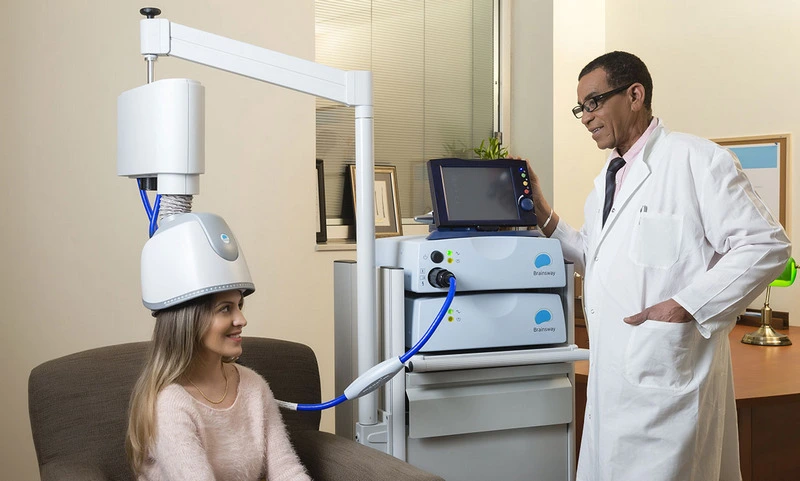
TMS uses magnetic pulses – similar to those in an MRI machine – to stimulate specific areas of your brain that control mood. Think of it as a workout for the underactive parts of your brain that contribute to depression.
During each session, which lasts about 20 minutes, you sit comfortably in a chair. A magnetic coil positioned against your head delivers targeted pulses to the left prefrontal cortex – the brain region that shows decreased activity in people with depression. These pulses create small electrical currents that activate nerve cells, essentially “waking up” parts of the brain that have gone dormant.
Here’s what makes TMS special as a drug-free depression treatment:
- FDA-approved and insurance-covered for major depressive disorder, with most plans covering treatment when medications haven’t worked adequately
- No systemic side effects: Unlike pills that affect your entire body, TMS targets specific brain regions, avoiding weight gain, sexual dysfunction, and digestive issues
- No anesthesia required: You remain fully awake and alert; you can even read, listen to music, or check your phone during treatment
- Proven effectiveness: Studies show 50-60% of people with treatment-resistant depression experience significant improvement, with 30-40% achieving complete remission
- No recovery time: Drive yourself home, return to work immediately – no interruption to your daily life
- Lasting results: Many people maintain improvement for months or years after completing treatment
So, TMS offers comparable or better results than medication for many patients, particularly those who haven’t responded to standard antidepressants.
What to Expect During TMS Treatment
A typical TMS course involves daily sessions, Monday through Friday, for 4-6 weeks. Most people begin noticing improvements within 2-3 weeks – faster than the 6-8 weeks antidepressants typically require.
At Life Quality TMS in Brooklyn, we use advanced deep TMS technology from BrainsWay, which reaches deeper brain structures and covers more extensive areas than traditional TMS. This potentially means better results for our patients.
The most common side effect? Mild scalp discomfort during the first few sessions, which typically fades quickly. Compare that to the long list of side effects from antidepressants, and you can see why so many people are choosing this non-drug treatment for depression.
Talk Therapy: The Foundation of Drug-Free Treatment
Psychotherapy – particularly Cognitive Behavioral Therapy (CBT) – stands as one of the most thoroughly researched non-drug therapies for depression. Study after study confirms what therapists have known for decades: talking to the right professional, learning specific skills, and changing thought patterns can literally reshape your brain.
Evidence-Based Therapy Approaches
| Therapy Type | What It Does | Best For |
| Cognitive Behavioral Therapy (CBT) | Helps you identify and change negative thought patterns that fuel depression. Research shows CBT is as effective as antidepressants for mild to moderate depression, with the added benefit of lower relapse rates after treatment ends. | Mild to moderate depression; people who want to develop long-term coping skills; those seeking evidence-based talk therapy with strong research support |
| Interpersonal Therapy (IPT) | Focuses on improving relationship patterns and communication skills that may contribute to or worsen depression. | Depression related to relationship conflicts, life transitions, grief, or social isolation |
| Acceptance and Commitment Therapy (ACT) | Teaches you to accept difficult thoughts and feelings rather than fighting them, while taking action toward meaningful life goals. | People who struggle with rumination; those who want to build psychological flexibility and mindfulness skills |
| Dialectical Behavior Therapy (DBT) | Particularly helpful for depression combined with emotional intensity, providing skills for emotional regulation and distress tolerance. | Depression with emotional dysregulation, intense emotions, or history of self-harm; co-occurring borderline personality disorder |
Here’s the thing about therapy: it works even better when combined with other non-drug treatments. Someone doing TMS therapy while also working with a skilled therapist gets the biological and psychological benefits simultaneously. That’s powerful medicine, no prescription required.

Lifestyle Interventions That Actually Make a Difference
Yes, we’re about to talk about exercise, sleep, and nutrition. Before you roll your eyes – we know these suggestions can feel dismissive when you’re in the depths of depression. “Just exercise more” sounds ridiculous when getting out of bed feels impossible.
But here’s why we’re including these: the science is simply too strong to ignore. These aren’t alternative medicine or wishful thinking. They’re evidence-based interventions that, for some people, work as well as medication.
Exercise: Nature’s Antidepressant
Multiple studies show that regular exercise reduces depression symptoms by 20-30% on average. A large-scale study found that even low levels of physical activity – like walking for 15 minutes daily or doing yoga – significantly reduce depression risk.
Exercise works by:
- Increasing endorphins and other feel-good brain chemicals
- Reducing inflammation linked to depression
- Improving sleep quality
- Building confidence through accomplishment
- Providing distraction from negative thought loops
Start small. Really small. Five minutes counts. Ten minutes is great. Thirty minutes is excellent, but not required initially. Consistency matters more than intensity when you’re using exercise as a non-drug treatment for anxiety and depression.
Sleep: The Reset Button Your Brain Needs
Poor sleep and depression create a vicious cycle. Depression disrupts sleep. Lack of sleep worsens depression. Breaking this cycle is crucial for drug-free depression treatment.
Sleep hygiene strategies that help:
- Maintain consistent sleep and wake times, even on weekends
- Create a cool, dark, quiet sleep environment
- Limit screen time for 1-2 hours before bed
- Avoid caffeine after early afternoon
- Try relaxation techniques like progressive muscle relaxation or guided imagery before sleep
If sleep problems persist despite good habits, talk to your healthcare provider. Sometimes depression-related insomnia requires specific intervention – and this is where TMS therapy can help, as many patients report improved sleep as one of the first benefits they notice.
Nutritional Psychiatry: Feeding Your Brain Right
Your diet affects your mood more than you might realize. Emerging research in nutritional psychiatry shows that what you eat influences inflammation levels, neurotransmitter production, and gut-brain communication – all factors in depression.
Foods that support mental health:
- Fatty fish rich in omega-3s (salmon, sardines, mackerel)
- Leafy greens and colorful vegetables
- Whole grains and complex carbohydrates
- Fermented foods for gut health (yogurt, kefir, kimchi, sauerkraut)
- Nuts and seeds
- Berries packed with antioxidants
The SMILES trial, published in BMC Medicine, found that dietary intervention alone reduced depression symptoms significantly, with one-third of participants achieving remission through nutritional changes combined with nutritional counseling.
Mindfulness and Meditation: Training Your Mind
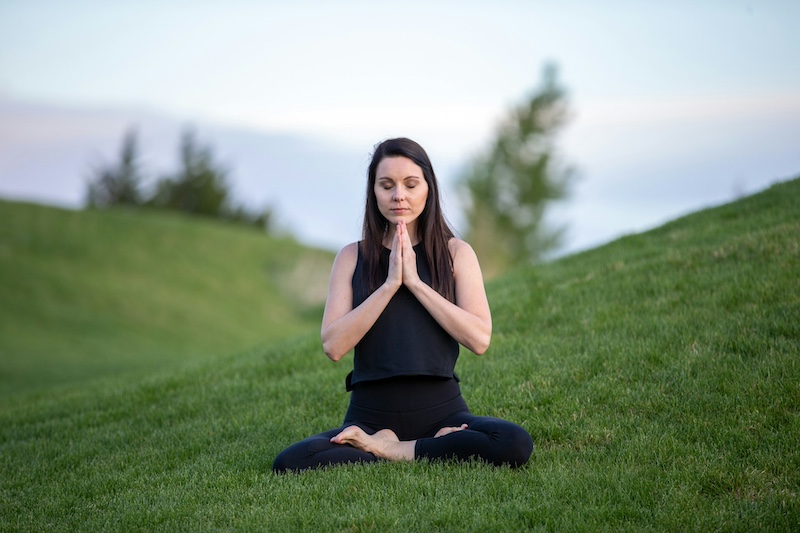
Mindfulness-Based Cognitive Therapy (MBCT) combines meditation practices with cognitive therapy techniques. Research shows it’s particularly effective at preventing depression relapse – reducing recurrence rates by 40-50% in people with a history of multiple depressive episodes.
Mindfulness works by:
- Breaking the cycle of rumination (that endless loop of negative thoughts)
- Increasing awareness of thought patterns without judgment
- Reducing stress hormone levels
- Improving emotional regulation
You don’t need to become a meditation master. Start with five minutes daily using apps like Headspace, Calm, or Insight Timer. Consistency beats duration when building a mindfulness practice as part of your non-drug therapy for depression.
Light Therapy: More Than Just Seasonal Relief
While light therapy is best known for treating Seasonal Affective Disorder (SAD), research shows it can help non-seasonal depression too. Daily exposure to a 10,000 lux light box for 20-30 minutes, preferably in the morning, can significantly improve mood.
Light therapy works by:
- Regulating circadian rhythms
- Increasing serotonin production
- Suppressing melatonin at appropriate times
- Improving sleep-wake cycles
A meta-analysis in JAMA Psychiatry found that light therapy produces effects comparable to antidepressant medications, with fewer side effects. Combined with other non-drug treatments, it creates another tool in your recovery toolkit.
Natural Supplements: Proceed with Caution
Some natural supplements show promise as part of drug-free treatment for depression. However, “natural” doesn’t always mean “safe” or “effective,” and supplements can interact with medications or have side effects.
Always consult your healthcare provider before starting any supplement.
Supplements with Research Support
Omega-3 fatty acids (EPA/DHA): Studies suggest 1-2 grams daily of EPA may enhance antidepressant effects or provide modest benefits alone. Choose high-quality fish oil or algae-based supplements.
Vitamin D: Deficiency is linked to depression. If your levels are low, supplementation may help. Most people need 1,000-2,000 IU daily, but get tested first to determine your needs.
SAM-e: Some evidence supports its effectiveness, though it can be expensive and may trigger mania in people with bipolar disorder.
St. John’s Wort: Effective for mild to moderate depression in some studies, but interacts dangerously with many medications including birth control, blood thinners, and other antidepressants. Never combine with prescription medications without medical supervision.
While supplements may help, they typically work best as complements to other interventions rather than standalone treatments. Think of them as supporting actors in your recovery, not the star of the show.
How to Treat Depression Without Drugs: Creating Your Personalized Plan
The most effective approach to treating depression without drugs usually involves combining multiple strategies. Here’s how to build your plan:
Start with Professional Guidance
Even when pursuing drug-free depression treatment, professional support is crucial. A psychiatrist or mental health provider can:
- Assess your depression severity and type
- Recommend evidence-based treatments appropriate for your situation
- Monitor your progress and adjust your plan as needed
- Determine if you’re a good candidate for TMS therapy
- Help you safely taper medications if that’s part of your plan
Layer Your Approaches for Maximum Impact
Foundation layer: Start with lifestyle basics – establish sleep hygiene, begin moving your body daily (even a 10-minute walk counts), and clean up your diet.
Therapeutic layer: Add evidence-based psychotherapy, particularly CBT or MBCT, working with a qualified therapist.
Advanced treatment layer: If depression persists despite lifestyle changes and therapy, consider TMS therapy. This is particularly crucial for moderate to severe depression or when you’ve tried multiple medications without success.
Support layer: Add mindfulness practice, light therapy (if appropriate), and carefully chosen supplements with professional guidance.
This layered approach creates multiple pathways to healing, addressing depression from biological, psychological, and lifestyle angles simultaneously.
When Non-Drug Treatment Isn’t Enough: Know Your Options
Let’s be honest: non-drug treatment for depression doesn’t work for everyone. Some people need medication. Some need a combination approach. And that’s okay.
Seek immediate help if you experience:
- Thoughts of suicide or self-harm (call 988 Suicide & Crisis Lifeline immediately)
- Inability to care for yourself or perform daily activities
- Symptoms that worsen despite treatment efforts
- Psychotic symptoms like hallucinations or delusions
Consider adding medication or intensive treatment if:
- You’ve tried multiple non-drug approaches for several months without improvement
- Your depression is severe and significantly impairs functioning
- You have bipolar depression or psychotic depression (which typically require medication)
- Your healthcare provider recommends it based on your specific situation
Remember: choosing medication doesn’t mean you’ve failed at drug-free treatment. It means you’re doing what you need to do to get better. Many people successfully combine medication with non-drug approaches, then gradually reduce medication as other interventions take hold.
Starting Your Drug-Free Depression Treatment Journey
Here’s your action plan:
1. Schedule a professional evaluation. Contact a psychiatrist or mental health provider who understands both medication and non-drug treatments. At Life Quality TMS in Brooklyn, we specialize in helping people find the right approach for their unique situation.
2. Start with one change today. Don’t try to overhaul everything at once. Pick the easiest intervention – maybe a 10-minute walk or 5 minutes of meditation – and do it today.
3. Build your support system. Tell trusted friends or family members that you’re working on your mental health. Consider joining a depression support group.
4. Research TMS therapy. If you’ve struggled with treatment-resistant depression or can’t tolerate medication side effects, TMS might be the breakthrough you need. Our team can help you understand if you’re a good candidate and how insurance covers treatment.
5. Track your progress. Keep a simple mood journal to monitor what helps and what doesn’t. This information guides your treatment team in adjusting your plan.
Ready to explore non-drug treatment for depression? Life Quality TMS in Downtown Brooklyn offers comprehensive evaluations and cutting-edge TMS therapy using BrainsWay’s deep TMS system.
Call us today at (718) 400-0867 to schedule your consultation.
Frequently Asked Questions About Non-Drug Depression Treatment
Can you really treat depression without medication?
Yes, many people successfully treat depression without medication using evidence-based approaches like TMS therapy, psychotherapy, exercise, and lifestyle modifications.
What is the most effective drug-free treatment for depression?
For treatment-resistant depression, TMS therapy shows the strongest evidence, with FDA approval and response rates of 50-60%. For mild to moderate depression, cognitive behavioral therapy (CBT) demonstrates effectiveness comparable to medication, with lower relapse rates. Regular exercise also shows robust evidence, reducing symptoms by 20-30% on average. The most effective approach often combines multiple interventions – TMS therapy or CBT as a foundation, plus lifestyle modifications like exercise, improved sleep, and stress management.
How long does it take for non-drug treatments to work?
Timeline varies by treatment. TMS therapy typically shows initial improvements within 2-3 weeks, with full benefits emerging over 4-6 weeks – often faster than medication. Psychotherapy usually requires 8-12 sessions (2-3 months) for noticeable effects. Exercise benefits can begin within 2-4 weeks of regular activity. Lifestyle changes like improved sleep and nutrition may show effects within 2-6 weeks. The key is consistency and patience; drug-free treatments often take time to build momentum but provide lasting results.
What if non-drug treatment doesn’t work for me?
Many people need to try multiple interventions or combinations before finding what works. If you’ve tried TMS therapy, several types of psychotherapy, and lifestyle modifications without adequate improvement, medication might be necessary – and that’s completely okay. Some people do best with a combination of medication and non-drug treatments. The goal is recovery, not avoiding medication at all costs.
Can I stop my antidepressants and switch to non-drug treatment?
Never stop antidepressants abruptly without medical supervision – this can cause dangerous withdrawal symptoms and depression relapse. If you want to transition to drug-free treatment, work with your healthcare provider to: (1) establish effective non-drug interventions while still on medication, (2) ensure your depression is stable and improving, and (3) gradually taper medication under medical supervision.