Alternative Depression Treatments: Finding Hope Beyond Traditional Medication
Depression affects millions of Americans every year, casting a shadow over daily life and making even simple tasks feel overwhelming. If you’re struggling with depression or watching someone you love battle this condition, you know how isolating and exhausting the journey can be. You may have tried multiple antidepressants, only to face disappointing results, difficult side effects, or the frustrating realization that traditional medications simply aren’t enough.
The good news? You have options. Alternative depression treatments offer new pathways to healing when conventional approaches fall short. From brain stimulation therapies to lifestyle modifications, these evidence-based alternatives can provide the relief you’ve been searching for.
Understanding Traditional Depression Treatment and Its Limitations
Traditional depression treatment typically begins with selective serotonin reuptake inhibitors (SSRIs) and other antidepressant medications. While these medications help many people, they come with significant limitations that drive patients to seek alternatives to SSRI for depression.
Common Challenges with Conventional Antidepressants
- Side effects that diminish quality of life: weight gain, sexual dysfunction, emotional numbness, digestive issues, and sleep disturbances often make patients feel worse before they feel better
- Treatment-resistant depression affects up to 30% of patients who don’t respond adequately to multiple medication trials
- Delayed results mean waiting 4-8 weeks to know if a medication will work, prolonging suffering during the trial period
- Medication cycling creates frustration as patients try one drug after another, experiencing side effects without meaningful improvement
- Long-term dependency concerns leave many patients worried about staying on medication indefinitely
According to research, approximately one-third of people with major depressive disorder don’t achieve adequate symptom relief with standard antidepressant therapy. This sobering statistic highlights why exploring alternative therapy for depression and anxiety becomes not just an option, but a necessity for millions.

A Comprehensive Comparison of Alternative Depression Treatments
When searching for alternative depression treatment near you, you’ll encounter various evidence-based options. Understanding how each works helps you make informed decisions about your mental health journey.
Brain Stimulation Therapies: The Science-Backed Frontier
Transcranial Magnetic Stimulation (TMS)
TMS represents one of the most significant advances in depression treatment in decades. This FDA-approved therapy uses magnetic pulses to stimulate underactive areas of the brain responsible for mood regulation—specifically targeting the left prefrontal cortex, which shows decreased activity in people with depression.
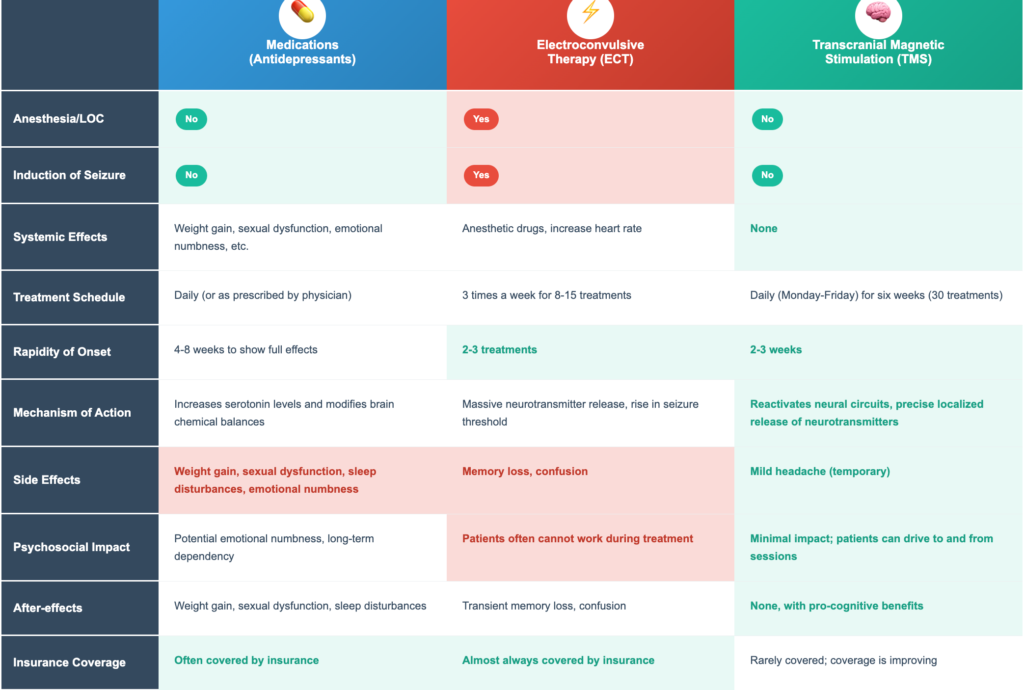
How TMS works: During each 20-minute session, you sit comfortably while a magnetic coil placed against your scalp delivers targeted pulses. These pulses generate small electrical currents that activate nerve cells in the brain regions controlling mood and emotional regulation. Unlike electroconvulsive therapy (ECT), TMS doesn’t require anesthesia, doesn’t cause seizures, and allows you to return to your normal activities immediately after treatment.
Clinical effectiveness: Studies demonstrate that approximately 50-60% of people with treatment-resistant depression experience significant symptom improvement with TMS, and about 30-40% achieve complete remission. At Life Quality TMS in Brooklyn, we use the advanced BrainsWay deep TMS system, which reaches deeper brain structures and covers more extensive areas than traditional TMS, potentially offering superior results.
Treatment commitment: A standard TMS course involves daily 20-minute sessions, five days per week for 4-6 weeks. Most patients begin noticing improvements within 2-3 weeks of starting treatment.
Side effects: TMS is remarkably well-tolerated. The most common side effect is mild scalp discomfort or headache during treatment, which typically diminishes after the first few sessions. Unlike medications, TMS doesn’t cause weight gain, sexual dysfunction, cognitive impairment, or systemic side effects
Electroconvulsive Therapy (ECT)
While ECT remains highly effective for severe, treatment-resistant depression (with response rates of 70-90%), it requires general anesthesia and can cause memory problems. Most patients exploring alternative treatment for depression prefer less invasive options like TMS before considering ECT.
Evidence-Based Psychotherapy Approaches
Therapy remains a cornerstone of effective depression treatment, particularly when combined with other interventions:
- Cognitive Behavioral Therapy (CBT) helps identify and change negative thought patterns that perpetuate depression, with research showing it’s as effective as medication for mild to moderate depression
- Interpersonal Therapy (IPT) focuses on improving relationship patterns and communication skills that contribute to depressive symptoms
- Acceptance and Commitment Therapy (ACT) teaches psychological flexibility and mindfulness to reduce the struggle against difficult thoughts and emotions
- Dialectical Behavior Therapy (DBT) provides skills for emotional regulation, distress tolerance, and interpersonal effectiveness, particularly helpful for depression with emotional intensity
Combining psychotherapy with alternative therapies for anxiety and depression produces better outcomes than either approach alone. Therapy helps you develop long-term coping skills while treatments like TMS address the biological underpinnings of depression.
Lifestyle Modifications That Make a Measurable Difference
While not replacements for professional treatment, these evidence-based lifestyle changes can significantly support your recovery:
- Regular exercise: Studies show 30 minutes of moderate aerobic activity 3-5 times weekly can reduce depression symptoms by 20-30%, comparable to antidepressant medication for mild to moderate depression
- Sleep optimization: Establishing consistent sleep schedules and practicing good sleep hygiene can dramatically improve mood regulation, as poor sleep both contributes to and results from depression
- Nutritional psychiatry: Emerging research shows that Mediterranean-style diets rich in omega-3 fatty acids, vegetables, and whole grains may reduce depression risk, while processed foods and excessive sugar can worsen symptoms
- Mindfulness and meditation: Regular mindfulness practice can reduce depressive symptoms and prevent relapse by changing how you relate to difficult thoughts and emotions
- Light therapy: For seasonal affective disorder and some types of depression, daily exposure to bright light therapy can provide significant relief
These lifestyle approaches work synergistically with professional treatments like TMS therapy, creating a comprehensive foundation for lasting recovery.
Complementary and Integrative Approaches
Several natural supplements and alternative therapies show promise, though evidence varies:
- Omega-3 fatty acids (EPA/DHA): Research suggests 1-2 grams daily may enhance antidepressant effects and provide modest benefits as a standalone treatment
- S-adenosylmethionine (SAM-e): Some evidence supports its effectiveness, though quality varies among supplements and it can trigger mania in bipolar disorder
- Acupuncture: While mechanisms remain unclear, some patients report symptomatic improvement; research quality is mixed but suggests it may offer benefit as an adjunct treatment
- Yoga and breathwork: Regular practice may reduce depression symptoms through combined physical activity, mindfulness, and stress reduction effects
Important consideration: Always consult with a healthcare provider before starting supplements or alternative therapies, as they can interact with medications and may not be appropriate for everyone. These approaches work best as complements to – not replacements for – evidence-based treatments.
Why TMS Stands Out as a Leading Alternative Depression Treatment
Among alternative depression treatments, TMS offers a unique combination of effectiveness, safety, and convenience that makes it an increasingly popular choice for treatment-resistant depression.
- FDA-approved and insurance-covered: TMS has earned FDA clearance for major depressive disorder and obsessive-compulsive disorder, with most major insurance plans covering treatment when appropriate criteria are met
- Non-invasive with minimal side effects: Unlike ECT or medications, TMS doesn’t require anesthesia, doesn’t affect your whole body, and allows you to drive yourself to and from appointments
- No systemic side effects: TMS targets specific brain regions without the weight gain, sexual dysfunction, or cognitive impairment common with antidepressants
- Compatible with ongoing medication: You can continue taking antidepressants during TMS treatment, and many patients successfully taper medications after TMS as symptoms improve
- Lasting results: Many patients maintain improvement for months or years after completing treatment, with the option for maintenance sessions if needed
- Fits into daily life: Twenty-minute sessions mean minimal disruption to work, school, or family responsibilities; no recovery time needed
Advanced Deep TMS Technology at Life Quality TMS
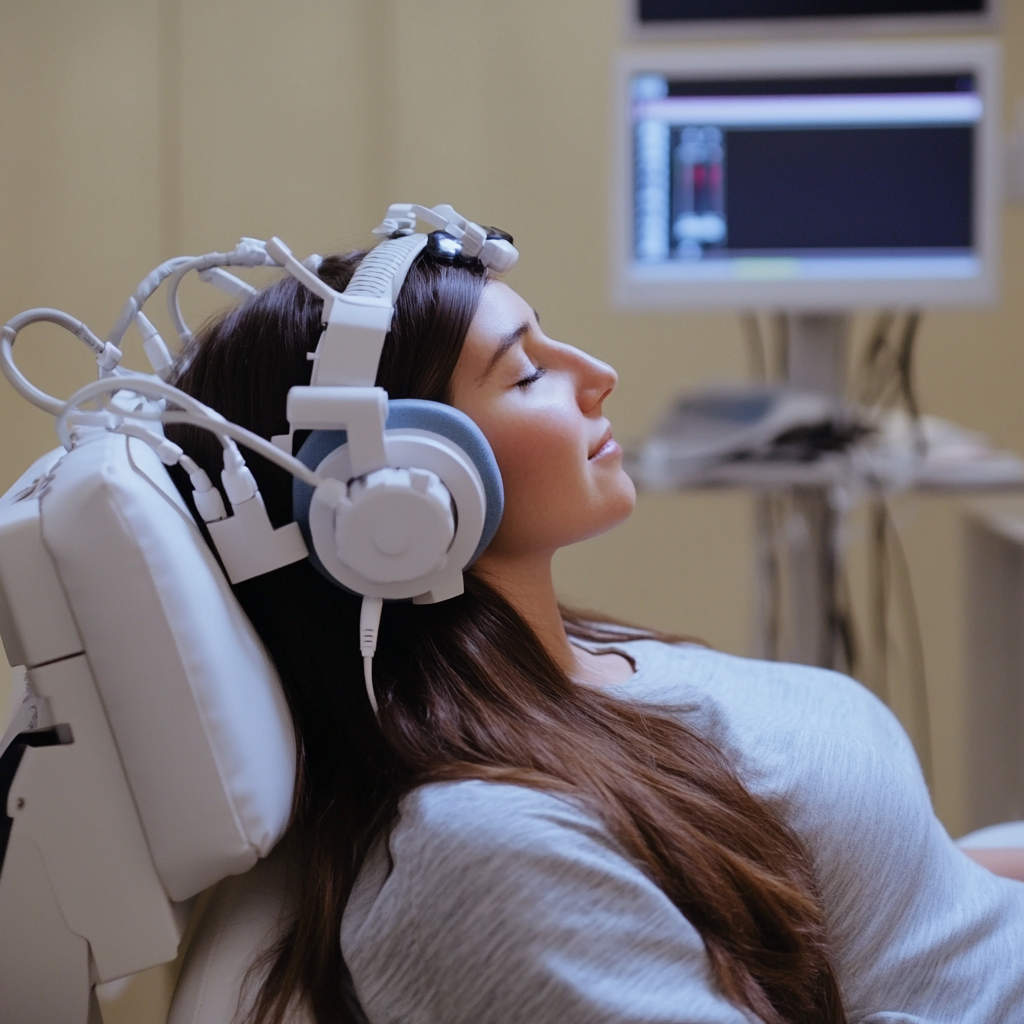
At Life Quality TMS in Brooklyn, we utilize the cutting-edge BrainsWay deep TMS system, which represents the next generation of magnetic stimulation therapy. Unlike traditional TMS coils that stimulate surface brain regions, deep TMS technology:
- Reaches deeper brain structures involved in mood regulation, including areas of the limbic system that play crucial roles in emotional processing
- Covers a wider brain area with each pulse, potentially improving treatment efficacy and consistency
- Uses a comfortable helmet design rather than a handheld coil, ensuring precise targeting throughout each session
- Has demonstrated effectiveness not only for depression but also for OCD, anxiety, and addiction treatment
Research published in the World Journal of Biological Psychiatry shows that deep TMS produces response rates comparable to or exceeding traditional TMS, with particularly strong results in patients who haven’t responded to multiple antidepressants.
Making the Right Choice for Your Depression Treatment
Choosing among alternative depression treatments is a deeply personal decision that depends on your unique situation, preferences, and treatment history. Consider these factors:
- Depression severity and duration: More severe, long-standing depression may require more intensive interventions like TMS or ECT rather than supplements alone
- Previous treatment response: If you’ve tried multiple medications without success, alternatives to SSRI for depression like TMS become increasingly important
- Side effect tolerance: If medication side effects significantly impact your quality of life, non-medication options like TMS offer meaningful advantages
- Time commitment and logistics: Some treatments require daily appointments while others involve weekly therapy sessions or at-home practices
- Insurance coverage and cost: Check what your insurance covers and what out-of-pocket expenses you may face with different options
- Co-occurring conditions: If you have anxiety, OCD, PTSD, or other conditions alongside depression, some treatments address multiple issues simultaneously
Remember that you don’t have to choose just one approach. The most effective treatment plans often combine multiple interventions – for example, TMS therapy alongside psychotherapy and lifestyle modifications creates a comprehensive foundation for recovery.
Frequently Asked Questions About Alternative Depression Treatments
What are the most effective alternatives to antidepressants?
The most effective evidence-based alternatives include TMS therapy (with 50-60% response rates in treatment-resistant depression), psychotherapy approaches like CBT, ECT for severe cases, regular exercise, and lifestyle modifications. Among these, TMS stands out for its combination of effectiveness, safety, and convenience, particularly for people who haven’t responded to medications.
How long does it take for alternative depression treatments to work?
Timeline varies by treatment. TMS therapy typically shows initial improvements within 2-3 weeks with full benefits emerging over 4-6 weeks; psychotherapy may require 8-12 weeks for noticeable effects; lifestyle changes like exercise can provide some mood benefits within 2-4 weeks; supplements may take 4-8 weeks. Unlike medications that require 4-8 weeks to work, TMS often provides relief faster while avoiding systemic side effects.
Is TMS therapy covered by insurance?
Yes, most major insurance plans cover TMS therapy for major depressive disorder when specific criteria are met, typically including: diagnosis of major depression, failure to improve with at least 2-4 adequate antidepressant trials, and continuing moderate to severe symptoms. At Life Quality TMS, we accept Aetna, Medicare, BCBS, United Healthcare, Cigna, and most other major insurers.
Can I continue taking antidepressants while trying alternative treatments?
Absolutely. In fact, many alternative treatments work synergistically with medications. TMS therapy can be safely combined with antidepressants, and research suggests the combination may provide better results than either alone. Many patients successfully taper their medications after TMS as symptoms improve, though this should always be done under medical supervision. Psychotherapy also pairs well with medication management.
What is treatment-resistant depression and how do I know if I have it?
Treatment-resistant depression means your depression hasn’t adequately improved despite trying at least two different antidepressants at therapeutic doses for sufficient duration (typically 4-8 weeks each). Signs include: persistent sadness, low energy, and other depression symptoms despite medication; intolerable side effects from multiple medications; partial improvement but not full relief; or depression that initially responded but then returned. If this describes your experience, alternative treatments like TMS specifically target treatment-resistant cases.
Take the Next Step Toward Relief
Living with depression that hasn’t responded to traditional treatments can feel hopeless, but alternative depression treatments offer genuine reasons for optimism. TMS therapy, in particular, has transformed countless lives by providing relief when medications fell short.
At Life Quality TMS in Downtown Brooklyn, we specialize in deep TMS therapy for treatment-resistant depression, anxiety, OCD, and addiction. Our compassionate team understands the frustration of trying treatment after treatment without success, and we’re committed to helping you find a path forward.
Your journey to recovery starts with a simple phone call. Contact Life Quality TMS today at (718) 400-0867 to schedule a consultation and learn how TMS therapy can help you reclaim your life from depression.
Get In Touch With Us
info@lifequalitytms.com
(718) 400-0867
(718) 4000-TMS
26 Court St., Ste 808
Brooklyn, NY 11201